Summary: Researchers have identified a compound from a marine cone snail that blocks pain by acting on a nonopioid pathway, producing long-lasting relief in rodent models.
Source: University of Utah.
A tiny marine snail may hold the key to a new, nonopioid approach to pain relief. Researchers at the University of Utah report that a compound derived from the venom of the cone snail Conus regius blocks pain by targeting a pathway distinct from opioid receptors. In rodent studies, the compound produced durable pain relief that outlasted its presence in the body. These findings were published online in the February 20 issue of the Proceedings of the National Academy of Sciences.
The opioid epidemic has underscored the urgent need for effective alternatives. Opioid medications are highly addictive, and overdose deaths remain a major public health crisis. Clinicians and scientists are therefore actively searching for pain therapies that do not rely on opioid pathways and that reduce the risk of dependence and overdose.
“Nature has evolved molecules that are remarkably precise and sometimes reveal unexpected therapeutic opportunities,” says Baldomera Olivera, Ph.D., professor of biology at the University of Utah. “We are using venoms as tools to probe different signaling pathways in the nervous system.”
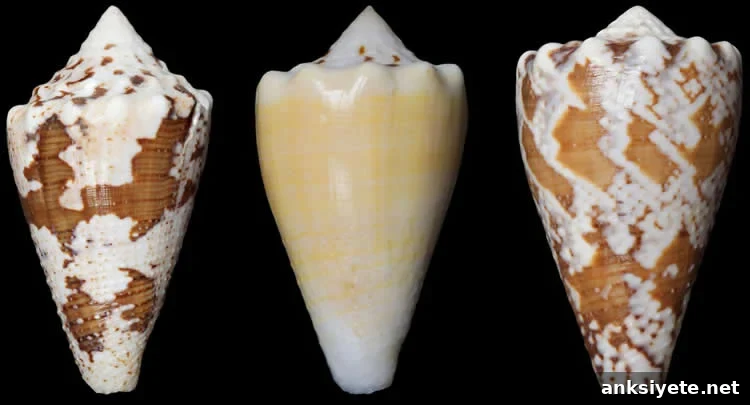
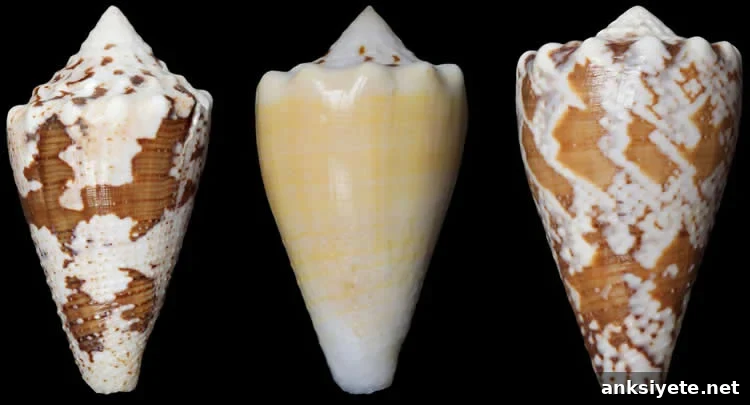
Conus regius, commonly known as the royal cone, is a small predatory snail found in the Caribbean. Its venom contains diverse peptides that immobilize prey. In this study, the team isolated a venom-derived peptide called RgIA and then developed synthetic analogs to improve activity against human targets. The optimized analog, RgIA4, selectively blocks the α9α10 nicotinic acetylcholine receptor (α9α10 nAChR), a receptor shown here to function in a nonopioid pain pathway.
Using rodent models of nerve injury and chemotherapy-induced neuropathy, the researchers demonstrated that blocking α9α10 nAChR prevents and reduces pain behaviors. In one model, animals exposed to a chemotherapy agent developed hypersensitivity to cold and touch—sensations that mimic the painful side effects experienced by some cancer patients. Animals treated with RgIA4 did not develop these heightened pain responses, while untreated animals did. Likewise, rodents genetically engineered to lack the α9α10 receptor did not show the same pain responses, supporting the receptor’s role in this pain pathway.
One notable result was the duration of benefit. Although RgIA4 is cleared from the animals’ systems within hours, the pain-relieving effects persisted for days. “We observed that the compound continued to prevent pain 72 hours after a single injection,” reports J. Michael McIntosh, M.D., professor of psychiatry at University of Utah Health Sciences. The extended effect suggests that blockade of this receptor may trigger restorative changes in the nervous system rather than simply masking symptoms while the drug is present.
“These results are particularly exciting because they point to a preventive strategy,” McIntosh adds. “Once chronic pain becomes established it is difficult to treat; an approach that interrupts the development of chronic pain could offer a meaningful new option for patients who have exhausted existing therapies.”
The research team used medicinal chemistry to produce and test roughly 20 analogs of the original RgIA peptide, aiming to find a version that binds tightly to the human form of the receptor. RgIA4 emerged as the most promising candidate, showing strong affinity for the human α9α10 nAChR and efficacy in animal models.
Because most current pain medications act through a limited set of molecular targets, they often fail to relieve chronic pain for many patients. Identifying additional pathways expands therapeutic options. “RgIA4 operates through an entirely different mechanism,” says McIntosh. “Drugs that target this pathway may help reduce reliance on opioids and offer new treatments for chronic pain.”
The work reported here involved collaboration among scientists at the University of Utah, the University of Florence (Italy), A.T. Still University, the University of Mississippi Medical Center, Kineta, Inc., Seattle, and the Veterans Affairs Medical Center in Salt Lake City.
Funding: The study was supported by the National Institutes of Health, the Department of Defense, and Kineta, Inc.
Source: Stacy W. Kish – University of Utah
Image source: Image credited to My Huynh.
Original research: The study appears in PNAS.