
Compound Shows Promise Preventing Triple-Negative Breast Cancer Cells from Activating in the Brain
Summary: A compound previously investigated for leukemia may block triple-negative breast cancer cells from colonizing the brain, according to research from Houston Methodist.
Researchers at Houston Methodist applied computational screening to thousands of existing compounds and identified edelfosine—a selective PLC inhibitor, previously investigated in leukemia and studied in brain tumor research—as a candidate to prevent brain metastases from triple-negative breast cancer (TNBC).
Study Overview
Using computer-assisted drug screening and preclinical models, the Houston Methodist team searched existing drugs for those that could interfere with cancer stem cells and the mechanisms that allow tumor cells to adapt to and grow in the brain. Their analysis highlighted edelfosine as a promising agent that can disrupt the signaling that enables metastatic colonization.
Methods and Key Findings
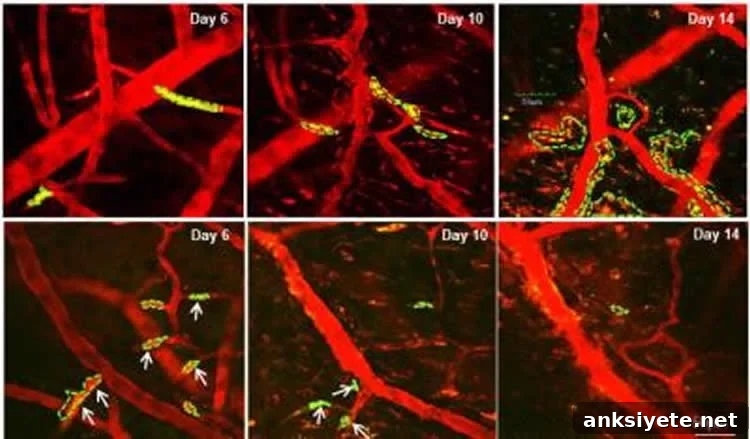
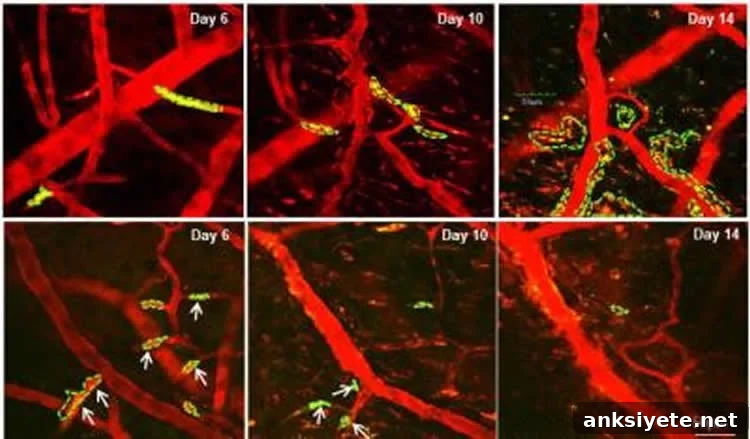
In experiments reported in the March 22 online issue of Cancer Research, investigators introduced patient-derived triple-negative breast cancer stem cell populations into mice to model early stages of brain metastasis. Treatment with edelfosine suppressed tumor activation after the cells reached the brain: treated tumor cells failed to expand and form established colonies, while untreated controls developed visible metastatic growth.
The research team showed that edelfosine interrupts a brain-adaptive signaling axis involving protocadherin 7 (PCDH7) and downstream PLCβ–Ca2+–CaMKII/S100A4 pathways, which are activated through interactions between tumor cells and astrocytes. Blocking this pathway prevented metastatic outgrowth in the animal models, indicating a potential strategy to stop TNBC cells from adapting to and thriving in the brain microenvironment.
Clinical Implications
Triple-negative breast cancer is one of the most aggressive subtypes and is more likely than other breast cancers to develop brain metastases. TNBC tumors often display cancer stem cell characteristics and patients diagnosed with brain metastasis typically have a shorter survival time. Effective, viable treatment options for brain metastases remain an unmet clinical need.
Stephen T. Wong, Ph.D., P.E., chair of systems medicine and bioengineering at Houston Methodist Research Institute and a corresponding author, explained that edelfosine appears to prevent tumor cells from communicating with brain cells during transit and colonization. “Repurposing a drug compound to prevent the spread of cancer could be a game-changer in the prevention and treatment of metastatic brain disease,” he said.
Co-corresponding author Hong Zhao, M.D., Ph.D., assistant professor of systems medicine and bioengineering, noted the advantage of testing an agent already approved for investigational use: “Since edelfosine has been studied in humans, our goal is to advance this compound into phase II clinical trials for metastatic brain cancer within the next few years.”
Drug Repurposing Approach
This project builds on prior work from Wong’s laboratory that used big-data mathematical modeling and bioinformatics to identify existing FDA-approved drugs with activity against cancer stem cells. Earlier discoveries from the group included chloroquine as a potential cancer stem cell inhibitor and another repurposed compound that enhanced blood flow in damaged hearts and, when paired with chemotherapy, showed activity against locally advanced or metastatic triple-negative breast cancer. Both of those agents have progressed into clinical trials.
The current study suggests edelfosine could be evaluated not only for breast-to-brain metastasis but also for prevention or treatment of metastases at other organ sites such as lung, ovarian, and pancreatic cancers, pending further preclinical and clinical investigation.
Funding: This research was funded by the National Institutes of Health (U54 CA149196, R01 CA121225) and the John S. Dunn Research Foundation.
Source: Houston Methodist (Gale Smith). Organized and reported by NeuroscienceNews.
Image credit: Houston Methodist.
Original research: Abstract published in Cancer Research. doi: 10.1158/0008-5472.CAN-17-2994
Abstract (Condensed)
Triple-negative breast cancer (TNBC) carries a higher burden of cancer stem cell traits and a greater propensity for brain metastasis. The authors developed novel animal models using patient-derived and cell line–derived cancer stem cell–enriched tumorsphere cells to study early tumor adaptation in the brain. They identified an astrocyte-involved activation pathway centered on PCDH7 and PLCβ–Ca2+–CaMKII/S100A4 signaling that mediates metastatic outgrowth. The selective PLC inhibitor edelfosine suppressed this PCDH7 signaling pathway and prevented brain metastases in the models. These findings reveal a brain-specific adaptive signaling mechanism in TNBC and support a strategy of targeting organ-adaptive cancer stem cells for prevention and treatment of metastatic disease.
Please attribute findings to Houston Methodist and the published Cancer Research abstract when referencing this study.