
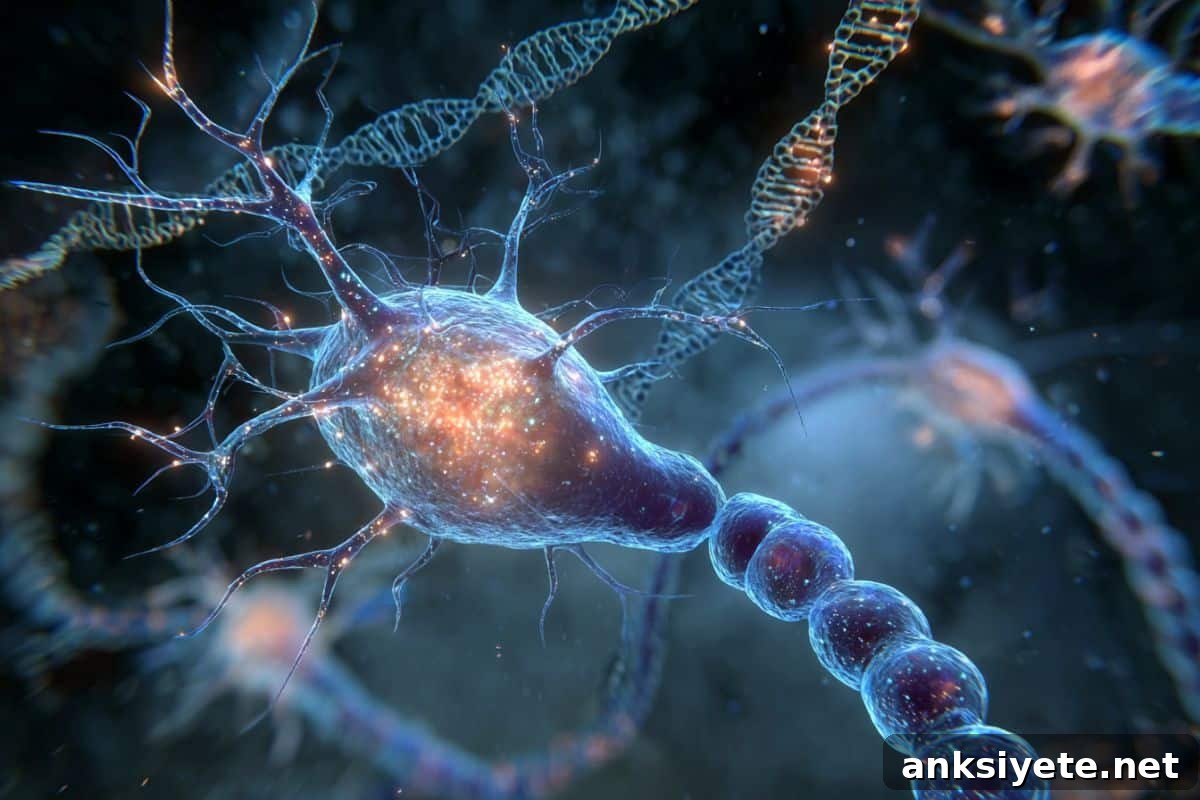
Summary: A new study has mapped the molecular signature of neural stem and progenitor cells (NPCs), the rare cells that produce new neurons in the adult brain. By combining a computational digital sorting algorithm with cross-species validation, researchers identified 129 NPC-enriched genes, including 25 already linked to human neurological disorders and 15 additional candidate genes that may explain previously unresolved conditions.
These results clarify the molecular landscape that enables neurogenesis in the hippocampus—a brain region essential for memory formation and mood regulation—and highlight new avenues for understanding and potentially treating neurodevelopmental and neurodegenerative diseases.
Key facts
- NPC blueprint: 129 genes highly enriched in neural stem and progenitor cells.
- Disease associations: 25 genes with known links to human neurological disorders and 15 novel candidate genes.
- Therapeutic potential: Findings point to targets relevant to dementia, depression, learning disabilities and other brain disorders.
Source: Baylor College of Medicine
Historical perspective: For much of the 20th century, scientists believed the adult brain could not regenerate. That view has changed: adult neurogenesis—the formation of new neurons—now is widely accepted and has become central to efforts to treat many neurological conditions.
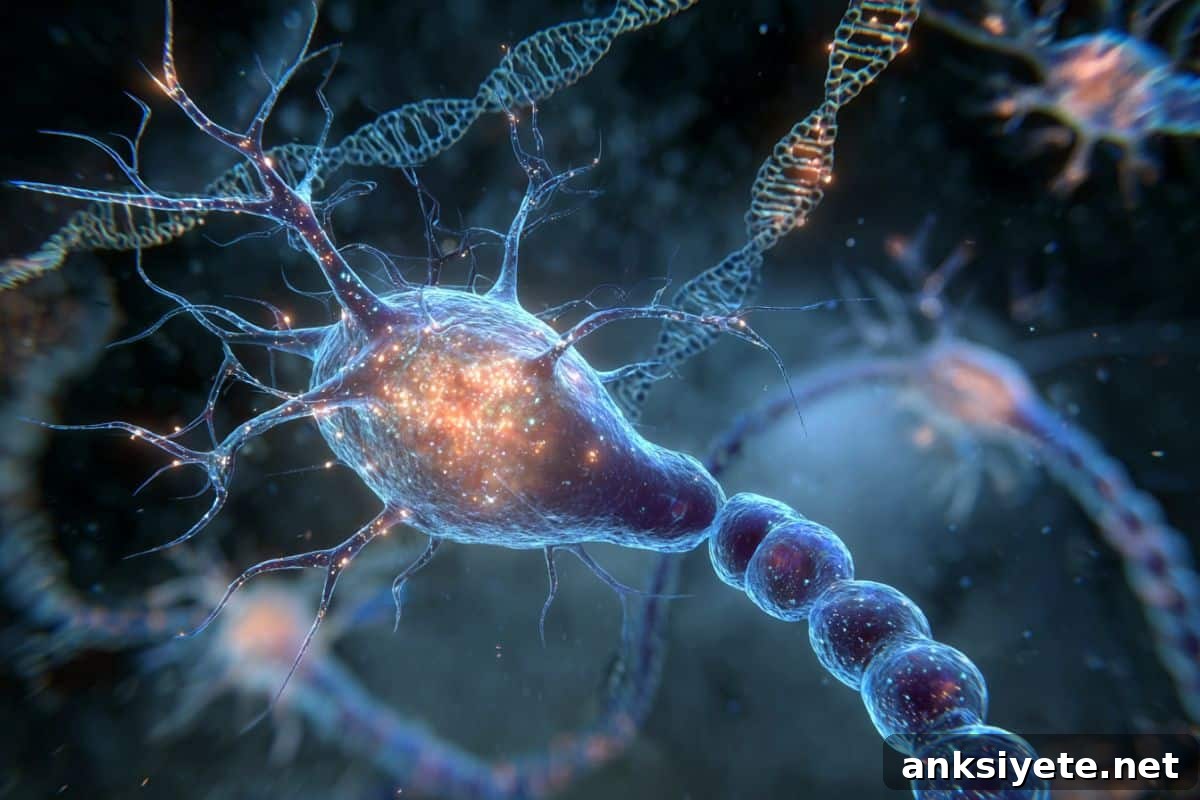
A major challenge in neurogenesis research has been identifying the neural stem and progenitor cells within the adult dentate gyrus of the hippocampus. These NPCs are rare and molecularly similar to nearby cells, making it difficult to isolate their unique gene expression patterns using conventional methods.
In a study published in Stem Cell Reports, researchers from Baylor College of Medicine and the Jan and Dan Duncan Neurological Research Institute at Texas Children’s Hospital applied a computational strategy to define NPC-specific genes. Their approach combined a digital sorting algorithm (DSA) with validation using single-cell data and cross-species comparisons to pinpoint genes that characterize NPCs and reveal their connections to human disease.
“The site of adult neurogenesis is the dentate gyrus in the hippocampus, the center for learning and memory,” said co-corresponding author Dr. Mirjana Maletić-Savatić, professor of pediatrics—neurology at Baylor and investigator at the Duncan NRI. “Although NPCs in this small region are sparse, the new neurons they produce contribute to learning, memory and mood. Understanding their biology could inform treatments for dementia, learning disabilities, depression and related conditions.”
The team used the Digital Sorting Algorithm to deconvolve complex tissue-level gene expression and identify gene patterns characteristic of NPCs. “DSA allowed us to sift through mixed cellular signals and isolate the genetic fingerprints of NPCs,” said co-first author Dr. Gerarda Cappuccio, who contributed to the computational analysis.
Using this method in mouse datasets, the researchers identified 129 genes enriched in NPCs. They then cross-referenced these genes with human genetic and clinical databases. “Twenty-five of the human orthologs we identified are already known to cause Mendelian neurological disorders when mutated,” said co-first author Dr. William T. Choi. “Importantly, we also uncovered 15 candidate genes bearing damaging variants that may explain previously undiagnosed neurological phenotypes.”
By tying NPC-specific molecular signatures to human genetic evidence, the study provides a resource that links neural stem cell biology to brain development and disease. This computationally driven strategy highlights how resolving rare cell-type signatures can reveal candidate disease genes and help prioritize targets for functional studies and therapeutic development.
Other contributors include Fatih Semerci, Jill A. Rosenfeld, Toni Claire Tacorda, Guantong Qi, Anthony W. Zoghbi, Yi Zhong, Hu Chen and Pengfei Liu. The authors are affiliated with Baylor College of Medicine, the Duncan NRI, Baylor Genetics Laboratories and the University of Houston.
Funding: This research was supported in part by the National Institute on Aging (1R01AG076942), the Eunice Kennedy Shriver National Institute of Child Health and Human Development (P50HD103555), and the Genomic and RNA Profiling Core at Baylor College of Medicine. Additional support came from Autism Speaks, the Cynthia and Antony Petrello Endowment, the NLM Training Program in Biomedical Informatics (T15LM007093), the Developmental Biology Training Program (T32HD055200), and the BCM Medical Scientist Training Program.
About this genetics and neuroscience research news
Author: Molly Chiu
Source: Baylor College of Medicine
Contact: Molly Chiu – Baylor College of Medicine
Image: Image credit: Neuroscience News
Original research (open access): “Computationally resolved neuroprogenitor cell biomarkers associate with human disorders” by William T. Choi et al., published in Stem Cell Reports.
Abstract
Computationally resolved neuroprogenitor cell biomarkers associate with human disorders
Adult hippocampal neurogenesis depends on a rare population of neural stem and progenitor cells (NPCs) in the dentate gyrus. Identifying genes that define these cells is difficult because overlapping expression patterns obscure rare-cell signatures. Using a digital sorting algorithm to deconvolve complex gene expression patterns, the investigators identified 129 genes enriched in murine NPCs. Validation with single-cell RNA sequencing and cross-referencing to human genetic databases showed 25 human orthologs already implicated in Mendelian neurological disorders and revealed 15 additional candidate genes with damaging variants linked to neurological phenotypes. These findings illuminate the molecular architecture of NPCs and underscore their relevance to brain development and disease.