
Summary: Researchers report that high neuroticism increases the risk of mood disorders, but when combined with high extraversion or conscientiousness these traits can partially protect against depression and anxiety.
Source: University at Buffalo.
High levels of neuroticism increase the risk of depression and anxiety, but individuals who are also highly extraverted and conscientious may enjoy some protection against these disorders, according to a new study by psychologists at the University at Buffalo.
The findings, published in the Journal of Research in Personality, emphasize the value of assessing personality profiles rather than isolated traits in clinical settings. Looking at combinations of traits offers a clearer picture of how personality influences the development and course of mood and anxiety symptoms.
“We already understand how single traits relate to symptoms, but we are beginning to see how traits interact,” says Kristin Naragon-Gainey, an assistant professor in UB’s Department of Psychology and the study’s lead author, alongside Leonard Simms, associate professor of psychology.
“To predict the likelihood of developing future symptoms, clinicians and researchers must consider the whole person—the ways in which multiple personality tendencies combine.”
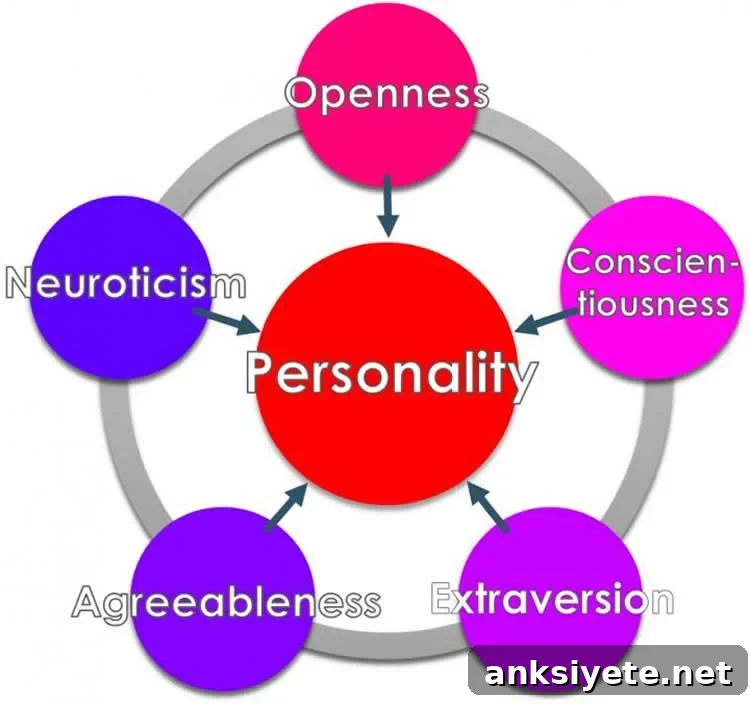
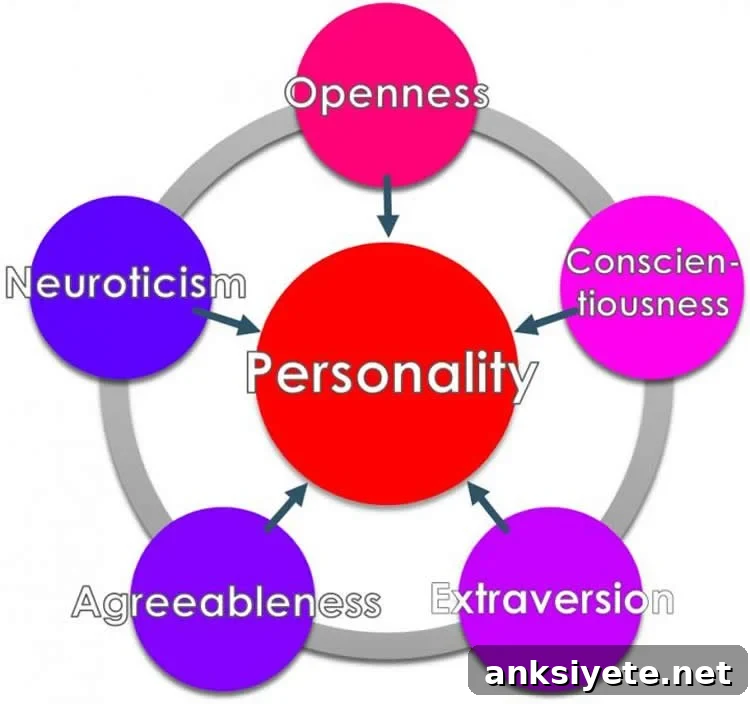
Neuroticism describes a tendency to experience negative emotions and strong reactions to stress. Along with extraversion and conscientiousness, neuroticism is one of the “Big Five” personality dimensions; the Big Five also includes agreeableness and openness to experience.
Each trait exists on a continuum. High extraversion reflects sociability and positive engagement with others, whereas low extraversion indicates more reserved behavior. Conscientiousness reflects organization, goal-directed behavior, and low impulsivity.
The research team studied 463 adults who reported receiving psychiatric treatment within the previous two years. Participants completed diagnostic interviews and multiple personality inventories. The study focused on neuroticism, extraversion, and conscientiousness because these three traits show the strongest links to mood and anxiety disorders.
Naragon-Gainey explains that while individual traits confer risk or resilience, combinations reveal more nuanced outcomes. For example, a person high in neuroticism faces an elevated risk for internalizing symptoms, but if that person is also high in extraversion and conscientiousness, those additional strengths can reduce the likelihood or severity of depressive or anxious symptoms.
The study’s results help clarify mechanisms by which mood disorders develop and identify trait combinations that increase or decrease vulnerability. Clinicians could use this information to tailor interventions that leverage patients’ existing strengths—for instance, encouraging socially oriented coping strategies in outgoing individuals or structuring goal-based activities for highly conscientious clients.
“Clinical practice often centers on problems and deficits,” Naragon-Gainey observes. “But building on a client’s existing strengths can improve treatment outcomes and help maintain gains over time.”
Conceptually, the protective effects of extraversion and conscientiousness make sense. Extraverted people tend to derive reward and emotional support from social contact, which can increase positive affect and buffer stress. Conscientious individuals are more likely to pursue goals and implement plans, reducing the withdrawal and avoidance behaviors commonly associated with neuroticism.
The study found the three-way interaction—neuroticism by extraversion by conscientiousness—most consistently with symptoms of major depression. There was also evidence that these interactions produced synergistic effects for post-traumatic stress disorder and generalized anxiety disorder in this clinical sample. In other words, even among individuals currently experiencing psychiatric distress, high extraversion and conscientiousness moderated the negative impact of neuroticism on internalizing symptoms.
These findings have practical implications for assessment and treatment. Rather than focusing solely on vulnerability traits like neuroticism, clinicians can assess the broader personality profile to identify strengths to reinforce. Interventions might emphasize social engagement for extraverted clients and structured goal pursuit for conscientious clients, helping counter patterns of avoidance and low mood.
Source: Bert Gambini – University at Buffalo
Publisher: Organized by NeuroscienceNews.com
Image source: Image credited to Eganos – Own work, CC BY-SA 4.0.
Original research: Abstract for the article “Three-way interaction of neuroticism, extraversion, and conscientiousness in the internalizing disorders: Evidence of disorder specificity in a psychiatric sample” by Kristin Naragon-Gainey and Leonard J. Simms, Journal of Research in Personality. Published online October 2017, doi:10.1016/j.jrp.2017.05.003
MLA: University at Buffalo. “Combinations of Certain Personality Traits May Guard Against Anxiety and Depression.” NeuroscienceNews. 29 November 2017.
APA: University at Buffalo (2017, November 29). Combinations of Certain Personality Traits May Guard Against Anxiety and Depression. NeuroscienceNews.
Chicago: University at Buffalo. “Combinations of Certain Personality Traits May Guard Against Anxiety and Depression.” Accessed November 29, 2017.
Abstract
Three-way interaction of neuroticism, extraversion, and conscientiousness in the internalizing disorders: Evidence of disorder specificity in a psychiatric sample
Neuroticism, extraversion, and conscientiousness are each well-established correlates of internalizing disorders. Prior research suggests that the main effects of these traits may be qualified by interactions, particularly a three-way interaction when predicting depression. This study examined that three-way interaction in a psychiatric sample (N = 463) using two comprehensive personality inventories and a diagnostic interview. The expected three-way interaction appeared most consistently for major depression symptoms, and there was additional evidence of synergistic effects for post-traumatic stress disorder and generalized anxiety disorder. Results indicate that, even among clinically distressed individuals, high extraversion and conscientiousness can protect against internalizing disorders for those with elevated neuroticism.
Study by Kristin Naragon-Gainey and Leonard J. Simms in Journal of Research in Personality. Published online October 2017. doi:10.1016/j.jrp.2017.05.003