New research from Karolinska Institutet links hypersexual disorder to dysregulated stress systems
Researchers at Karolinska Institutet have found evidence that hypersexual disorder—commonly referred to as sex addiction—may be associated with an overactive stress response. Using a low-dose dexamethasone suppression test, the study shows that men diagnosed with hypersexual disorder displayed higher levels of stress hormones compared with healthy control participants. The findings, published in Psychoneuroendocrinology, add to growing evidence that stress regulation and early-life experiences can shape neurobiological systems involved in problematic sexual behavior.
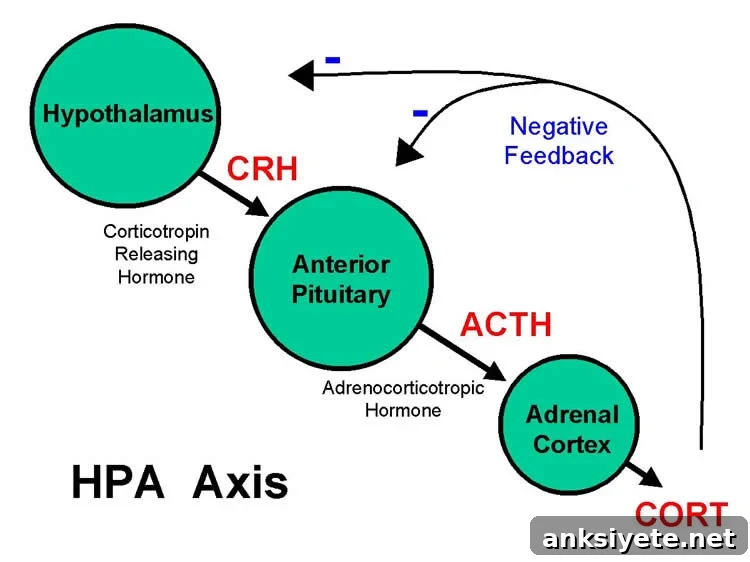
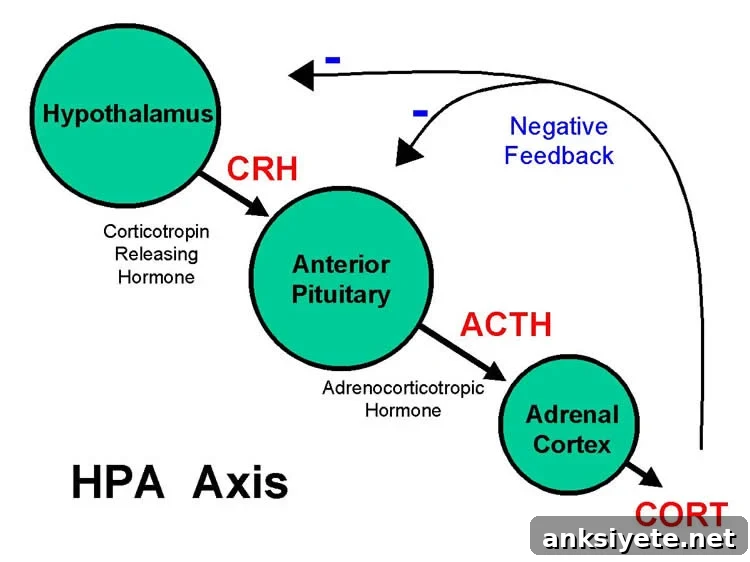
Hypersexual disorder typically involves persistent, intrusive sexual thoughts and urges, compulsive sexual behaviors, and a perceived loss of control that leads to personal or social problems. The diagnosis has been debated because it often co-occurs with other psychiatric conditions, such as depression and substance use disorders. This study aimed to determine whether the body’s core stress-regulation system—the hypothalamic-pituitary-adrenal (HPA) axis—functions differently in men with hypersexual disorder compared with matched healthy individuals.
In the study, 67 men with rigorously diagnosed hypersexual disorder and 39 healthy, matched control participants underwent a standardized low-dose dexamethasone suppression test. Dexamethasone, a synthetic glucocorticoid, is commonly used clinically to suppress cortisol production and serves experimentally as a way to assess HPA axis feedback regulation. Participants took a small dose of dexamethasone the evening before testing, and researchers measured morning plasma levels of cortisol and adrenocorticotropic hormone (ACTH) to assess suppression. Participants were also evaluated for current depressive symptoms and exposure to childhood trauma to account for potential confounding factors.
Study findings
Compared with healthy volunteers, men with hypersexual disorder were significantly more likely to show non-suppression on the dexamethasone test and had higher post-dexamethasone ACTH levels. These differences remained significant after adjusting for co-occurring depression and reported childhood trauma, suggesting that HPA axis dysregulation is associated with the diagnosis itself rather than being solely explained by comorbidity. Within the patient group, higher scores on measures of childhood adversity correlated with altered ACTH responses, while measures of sexual compulsivity were linked to lower baseline cortisol levels.
Professor Jussi Jokinen, who led the research team at the Department of Clinical Neuroscience, notes that aberrant stress regulation has been observed previously in depression, suicidality, and substance use disorders. The present results indicate that similar neurobiological mechanisms may underlie hypersexual disorder, and that early-life adversity may contribute to lasting changes in stress regulation through epigenetic or developmental pathways.
Clinical implications and next steps
These findings have potential clinical relevance. Identifying biological markers associated with hypersexual disorder could help clinicians distinguish diagnosis-specific neurobiological changes from those related to co-occurring psychiatric conditions. The researchers plan to follow up by assessing whether psychotherapeutic interventions normalize HPA axis function and by performing epigenetic analyses to explore how childhood trauma might permanently alter stress-system regulation.
Study team and funding
The study’s first author was Andreas Chatzittofis, a psychiatrist and doctoral student at Karolinska Institutet’s Department of Clinical Neuroscience. Patients were recruited from the Centre for Andrology and Sexual Medicine at Karolinska University Hospital, Huddinge, with contributions from Stefan Arver and psychologist Katarina Görts Öberg, PhD. Jussi Jokinen is also a professor of psychiatry at the Department of Clinical Science at Umeå University. The research was supported by a grant from the Swedish Research Council and the ALF agreement between Stockholm County Council and Karolinska Institutet.
Abstract
HPA axis dysregulation in men with hypersexual disorder
Hypersexual disorder, incorporating aspects such as deregulated sexual desire, compulsivity, and impulsivity, has been proposed as a diagnosis for DSM-5, yet its neurobiology remains poorly understood. Dysregulation of the hypothalamic-pituitary-adrenal (HPA) axis has been reported in several psychiatric disorders but had not been comprehensively investigated in hypersexual disorder. This study assessed basal morning plasma cortisol and ACTH and performed a low-dose (0.5 mg) dexamethasone suppression test in 67 men with hypersexual disorder and 39 healthy volunteers. Non-suppression was defined as post-dexamethasone cortisol ≥ 138 nmol/l. Validated instruments measured sexual compulsivity, hypersexual behaviors, depressive symptoms, and childhood trauma.
Patients were more frequently dexamethasone non-suppressors and had significantly higher post-dexamethasone ACTH levels than controls. They also reported greater childhood trauma and depressive symptoms. Childhood trauma scores negatively correlated with post-dexamethasone ACTH, while measures of sexual compulsivity and hypersexual behavior correlated with lower baseline cortisol. The association between hypersexual disorder diagnosis and HPA axis non-suppression persisted after adjusting for childhood trauma. These results indicate HPA axis dysregulation in men with hypersexual disorder.
Please share this neuroscience news with colleagues or interested readers.