
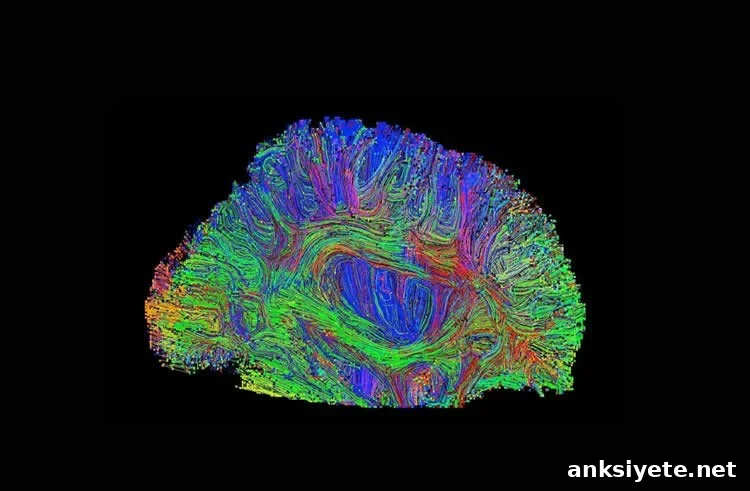
Summary: USC-led researchers identified seven genes linked to intracranial volume and to Parkinson’s disease risk.
Source: USC.
USC researchers lead international team that finds seven genes predicting intracranial volume and Parkinson’s disease
In the largest MRI-based study of brain size to date, an international team led by researchers at the University of Southern California identified seven genetic loci that influence intracranial volume — the maximum attained brain size — and are also associated with cognitive traits and risk for Parkinson’s disease.
The study analyzed MRI and genetic data from 32,438 adults, far larger than the typical brain imaging study, and used meta-analysis across many cohorts. By linking variations in DNA to measurable differences in intracranial volume, the researchers were able to locate genetic hotspots that shape brain growth, influence cognitive performance and in some cases increase susceptibility to neurodegenerative disease.
Paul Thompson, associate director of the USC Mark and Mary Stevens Neuroimaging and Informatics Institute and a corresponding author on the paper, led more than 300 scientists in this effort. Thompson notes that brain measures obtained from MRI explain about 15 percent of the variation in cognitive ability across people, and that genes guiding brain development can have effects that extend throughout life. “Some genetic variants help build the brain early on but may increase disease risk later in life,” he said.
Parkinson’s disease is a progressive movement disorder that often includes tremors and other motor symptoms; like many neurodegenerative diseases, it currently has no cure. The study found links between intracranial volume–associated variants and Parkinson’s disease, suggesting shared biological pathways between brain development and later-life neurodegeneration.
Genetics, environment and brain reserve
The researchers emphasize that both genes and environment contribute to brain size and resilience. Factors such as nutrition, education and physical activity influence brain development and protect against age-related tissue loss. Intracranial volume remains a useful indicator because it reflects the largest brain size reached during development and is relatively stable later in life, making it a potential measure of “brain reserve” — a buffer that can help withstand pathological changes with aging.
“By mapping a gene’s imprint onto brain scans, we can trace how specific DNA variants affect brain pathways and cells,” Thompson said. “That helps focus follow-up research on the regions and mechanisms that matter most, and may ultimately point to targets for drug development or prevention through lifestyle.”
What the seven genes do
The team discovered five previously unknown genetic loci for intracranial volume and replicated two known signals, yielding seven loci that together illuminate biological processes tied to brain growth and later disease risk. The genes in these regions are functionally diverse and include roles in:
- production and maintenance of self-renewing stem cells (FOXO3)
- neurodegeneration and tau biology (MAPT)
- bone density and skeletal development (CENPW)
- physical growth and growth-factor signaling (IGF1, HMGA2)
- DNA replication and cell-cycle processes (GMNC)
- protein chemistry and programmed cell processes (PDCD)
These loci remained associated with intracranial volume even after adjusting for adult height, indicating effects on brain size that are not simply a byproduct of overall body size. The investigators also examined a longitudinal pediatric sample (2,824 children followed from before birth to age six) to confirm growth-related predictions and to show that some genetic influences are observable very early in life.
One notable finding involves the MAPT region, which contains a common inversion that arose millions of years ago. MAPT encodes the tau protein and is implicated in multiple neurodegenerative disorders, including frontotemporal dementia, Alzheimer’s disease, amyotrophic lateral sclerosis, and Parkinson’s disease. Even among adults with brains in the typical size range, MRI signatures near MAPT can signal vulnerability to later disease.
Methods and consortia
The analysis pooled data from 52 sites participating in large international consortia, including cohorts collected for heart, aging and neuroimaging genetic research. The ENIGMA consortium, based at USC, coordinated much of the neuroimaging harmonization and meta-analysis. Combining high-quality MRI measures with genome-wide association allowed the team to detect genetic signals that traditional genetic studies without imaging might miss.
Implications
These results connect genes that regulate growth pathways — such as PI3K-AKT signaling — to both normal variation in brain size and to physiological and pathological traits, including cognitive performance and disease risk. Understanding when and where these genes act during development and aging may help researchers identify therapeutic targets and inform prevention strategies that combine genetics with lifestyle interventions such as exercise, diet and cognitive stimulation.
About the publication
This work was published online in Nature Neuroscience on October 3, 2016, as “Novel genetic loci underlying human intracranial volume identified through genome-wide association.” The study reports genome-wide association results for 32,438 adults, identifies five novel loci and confirms two known signals for intracranial volume, describes a strong genetic correlation with child head circumference, and links intracranial volume variants to cognitive measures and Parkinson’s disease. The authors report enrichment of implicated variants near growth pathway genes, highlighting biological mechanisms that connect development, cognition and neurodegeneration. DOI: 10.1038/nn.4398.
Contact and credit
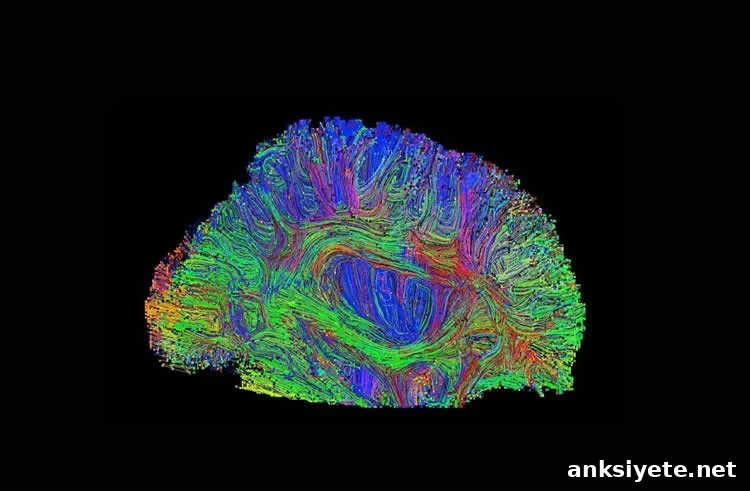
Lead reporting on this research was provided by Zen Vuong at USC. Image credit to Paul Thompson / ENIGMA Center, USC. The study was coordinated through the ENIGMA consortium and involved many collaborating institutions and investigators worldwide.