
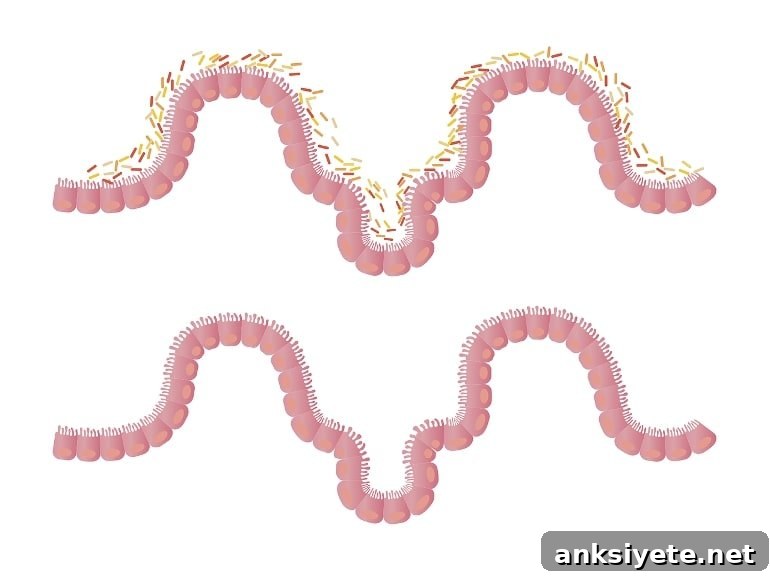
Summary: Large-scale study finds strong associations between specific gut bacteria and concentrations of small molecules in human blood (plasma metabolites).
Source: Uppsala University and Lund University
Researchers from Uppsala University and Lund University report robust links between gut microbial composition and the circulating small molecules known as plasma metabolites. Their findings, published in Nature Communications, are based on combined analyses of fecal and blood samples collected from 8,583 participants in the Swedish CArdioPulmonary bioImage Study (SCAPIS).
This large, population-based investigation used deep metagenomic sequencing to profile the gut microbiome and ultra-high-performance liquid chromatography coupled to mass spectrometry (UHPLC‑MS) to quantify a wide range of plasma metabolites. By integrating these high-resolution datasets, the research team mapped hundreds of thousands of statistically significant associations between specific bacterial species and blood metabolites, showing that the microbes we carry can be major determinants of the circulating metabolome.
The primary goal of the project was to expand understanding of how gut microbiota interact with host physiology and influence health. Gut bacteria produce many bioactive molecules; some of these can cross into the bloodstream and affect metabolic, cardiovascular and other systemic processes. Similarly, diet and medications taken by the host can shape the gut microbial community before they enter circulation. Characterizing these bidirectional interactions is therefore essential for understanding how microbiota contribute to health and disease.
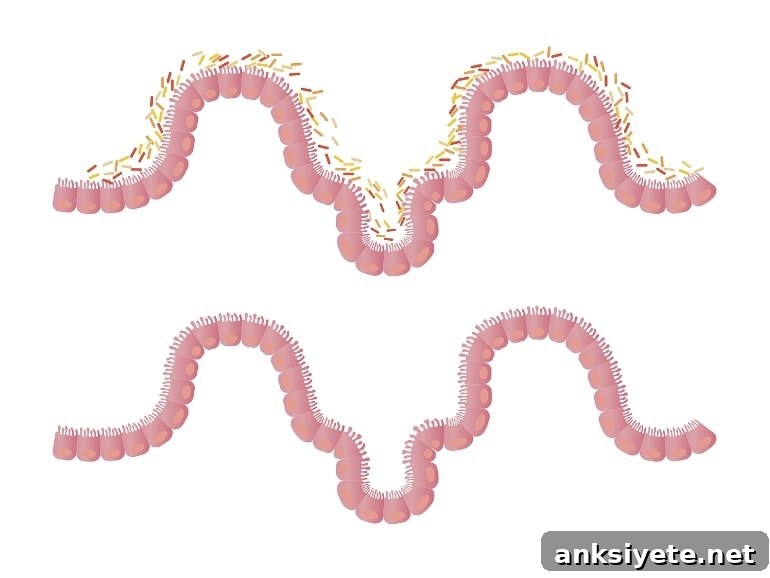
“The gut microbiota is a complex ecosystem and we are only beginning to unravel how individuals and their resident microbes influence each other,” says Marju Orho‑Melander, Professor of Genetic Epidemiology at Lund University and one of the senior authors. “Our analyses indicate that for many plasma metabolites, the composition of gut bacteria is a strong and measurable determinant.”
The study benefits from the scale and depth of the SCAPIS resource, which provided matched high-quality microbiome and metabolome data from thousands of middle-aged adults. The large sample size increased statistical power and made it possible to detect novel associations that smaller studies may have missed. According to the authors, the gut microbiota explained as much as 58% of the variance for some individual plasma metabolites, underlining the potential importance of microbial contributions to host biochemistry.
Lead author Koen Dekkers (Uppsala University) emphasizes that the comprehensive dataset allowed the team to present both broad and highly specific links: the researchers report 997 associations between alpha diversity measures and individual plasma metabolites, and more than half a million (546,819) associations between distinct metagenomic species and plasma metabolites. The breadth of these findings offers numerous hypotheses for targeted follow-up studies.
To make the results accessible, the team has published the full set of associations in an open, searchable online atlas hosted by the SciLife Data Centre in Uppsala. This resource is intended to support researchers worldwide interested in exploring candidate microbial species, metabolite biomarkers, dietary effects, and drug–microbiome interactions. As an example, the study highlights novel links between dietary components, commonly used oral medications and the gut microbiome, as well as strong microbial associations with the uremic toxin p‑cresol sulfate.
About this microbiome research news
Author: Elin Bäckström
Source: Uppsala University
Contact: Elin Bäckström – Uppsala University
Image: The image is in the public domain
Original Research: Open access. “An online atlas of human plasma metabolite signatures of gut microbiome composition” by Tove Fall et al., Nature Communications
Abstract
An online atlas of human plasma metabolite signatures of gut microbiome composition
Human gut microbiota generate a wide array of molecules, some of which can translocate into the bloodstream and influence host physiology. Conversely, dietary and pharmacological compounds may alter microbiota composition before being absorbed. Characterizing these complex, bidirectional interactions helps clarify how the microbiome contributes to health and disease.
In this cross-sectional analysis, the investigators combined deep metagenomic sequencing of fecal samples with ultra-high-performance liquid chromatography–mass spectrometry profiling of plasma from 8,583 SCAPIS participants aged 50–64. The integrated approach demonstrated that gut microbiota can account for up to 58% of the variance observed for certain plasma metabolites. The study documents 997 statistically significant links between measures of microbial alpha diversity and plasma metabolites, alongside 546,819 associations between individual metagenomic species and plasma metabolites.
The atlas produced by this work serves as a publicly available foundation for researchers aiming to identify candidate plasma biomarkers of microbial composition, prioritize species and metabolites for experimental perturbation studies, and investigate how diet or medications modulate host–microbiome interactions. The dataset and atlas thereby provide a valuable tool for follow‑up research focused on microbial contributions to systemic metabolism and potential clinical applications.