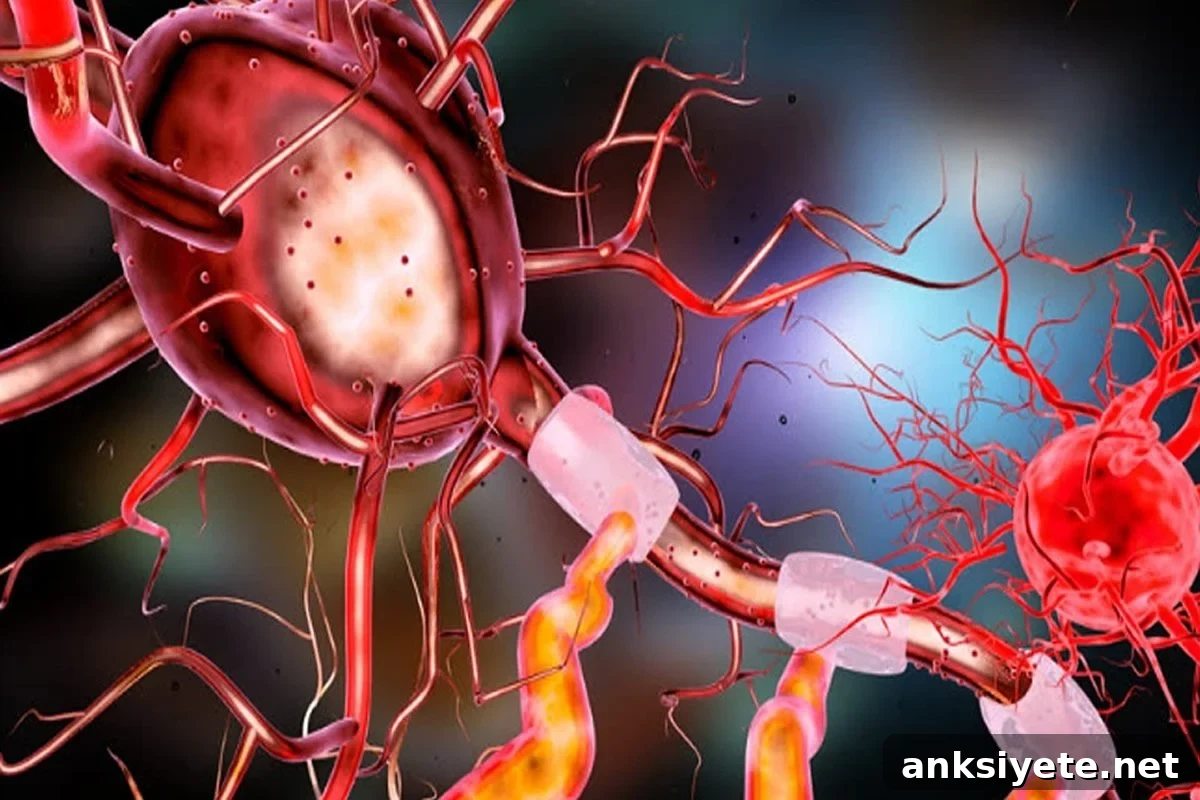
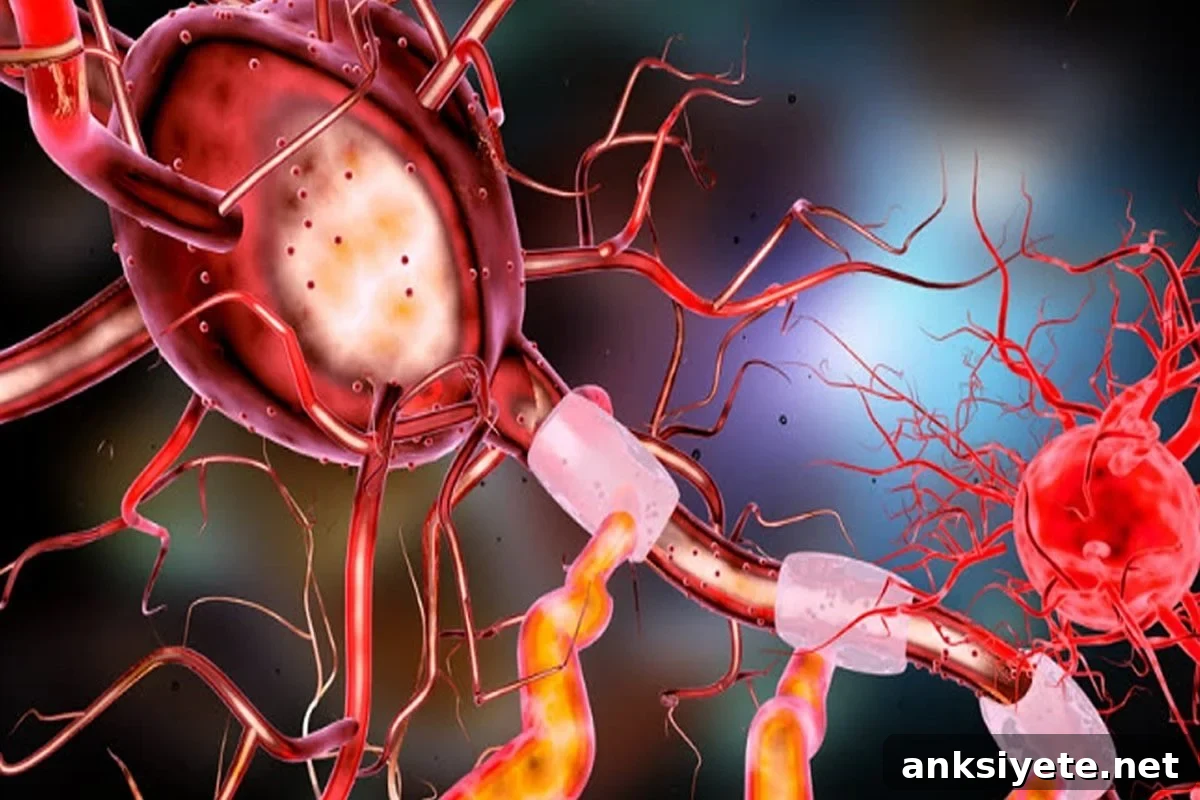
Summary: New research suggests microglia—immune cells in the brain—can disrupt the formation of new neurons in familial Alzheimer’s disease. In mice carrying Alzheimer’s-linked presenilin mutations, eliminating microglia restored normal neurogenesis and reversed anxiety-like and memory impairments.
Source: University of Chicago
Overview
Most Alzheimer’s disease research concentrates on amyloid beta (Aβ), the protein that accumulates as plaques in the brain and triggers inflammation, synaptic dysfunction, and neurodegeneration. While amyloid pathology remains a central focus, recent work from the University of Chicago highlights an underappreciated contributor to disease progression: the interaction between genetic risk factors and the brain’s immune cells, microglia, which can suppress neurogenesis.
Neurogenesis and Alzheimer’s-linked presenilin mutations
Neurogenesis—the birth of new neurons in the adult brain—occurs prominently in the hippocampus, a region critical for learning and memory. In healthy mice, enriched environments that include exercise, exploration, and social interaction strongly boost hippocampal neurogenesis. However, mice that carry familial Alzheimer’s disease (FAD) mutations in presenilin 1 (PS1) or presenilin 2 (PS2) fail to show this enrichment-driven increase in new neurons and display early anxiety-like behaviors, mirroring symptoms reported in some early-onset Alzheimer’s patients.
Sangram Sisodia, PhD, and colleagues investigated whether interactions with other brain cells contribute to this deficit. Their hypothesis was that microglia, the resident immune cells of the brain that normally prune synapses, clear debris and help maintain homeostasis, might react abnormally to newborn neurons that carry presenilin mutations and thereby impair neurogenesis.
Microglial depletion restores neurogenesis and behavior
To test this idea, the researchers used a drug to deplete microglia in mice expressing mutant presenilin proteins. Remarkably, removing microglia restored enrichment-dependent proliferation, differentiation, and survival of adult hippocampal neural progenitor cells. Mutant mice placed in enriched environments after microglial depletion produced the expected number of new neurons and no longer exhibited the memory and anxiety-related deficits seen previously.
“It’s the most astounding result to me,” said Sisodia. “Once you eliminate microglia, the deficits in these presenilin-mutant mice are completely restored. Removing one cell type returns function to normal.”
The results imply microglia may overreact to newborn neurons that express mutant presenilin proteins. Alzheimer’s disease is associated with chronic microglial activation and inflammation, and in this state microglia might prematurely eliminate neurons that are attempting to integrate into hippocampal circuits, preventing normal neurogenesis and contributing to cognitive and affective symptoms.
Implications for understanding Alzheimer’s disease
These findings expand the understanding of how familial Alzheimer’s mutations contribute to disease beyond increased Aβ production. While elevated Aβ42 levels and plaque formation remain central to FAD pathology, impairments in the self-renewal and neuronal differentiation of adult hippocampal neural progenitor cells—mediated through microglial interactions—appear to play a significant role in behavioral and cognitive changes.
Sisodia emphasized that neurogenesis and microglial function deserve more attention as complementary pathways that influence disease progression. Targeting dysfunctional microglial responses or protecting newborn neurons from inappropriate microglial clearance could represent alternative strategies to complement amyloid-focused therapies.
Study details
The study, published in the Journal of Neuroscience, examined transgenic mice expressing FAD-linked human PSEN1 variants and PS1M146V/+ knock-in mice carrying an endogenous presenilin mutation. Treatment with a colony-stimulating factor 1 receptor (CSF1R) antagonist was used to deplete microglia, which fully rescued deficits in proliferation, differentiation and survival of adult hippocampal neural progenitor cells. Microglial depletion also reduced the heightened baseline anxiety seen in mutant mice to levels comparable with wild-type or nontransgenic animals.
Authors
Primary author Sangram S. Sisodia and coauthors Sylvia Ortega-Martinez, Nisha Palla, Xiaoqiong Zhang and Erin Lipman contributed to the research from the University of Chicago.
Source:
University of Chicago
Media contact:
Matt Wood – University of Chicago
Original research article:
Deficits in Enrichment-Dependent Neurogenesis and Enhanced Anxiety Behaviors Mediated by Expression of Alzheimer’s Disease-Linked Ps1 Variants Are Rescued by Microglial Depletion. Journal of Neuroscience. DOI: 10.1523/JNEUROSCI.0884-19.2019
Abstract summary:
Familial Alzheimer’s disease caused by presenilin 1 mutations impairs environmental enrichment–induced proliferation and neuronal differentiation of adult hippocampal neural progenitor cells in a non–cell-autonomous manner. Microglial depletion using a CSF1R antagonist fully rescues these neurogenic defects and suppresses elevated anxiety behaviors in mutant mice, indicating that microglia critically regulate enrichment-dependent hippocampal neurogenesis and affective behaviors in the context of presenilin-linked FAD.