
Summary: Researchers identified a rare genetic variant in TM2D3 that is significantly enriched in Icelanders and is associated with a markedly increased risk of late-onset Alzheimer’s disease.
Novel TM2D3 Variant Linked to Increased Risk of Late-Onset Alzheimer’s Disease in Icelanders
Researchers from Baylor College of Medicine and the Jan and Dan Duncan Neurological Research Institute at Texas Children’s Hospital participated in a multinational study that discovered a previously unrecognized genetic risk factor for late-onset Alzheimer’s disease. The findings, published in PLOS Genetics, highlight a rare variant in the TM2D3 gene that is enriched in the Icelandic population and may substantially raise the risk of developing Alzheimer’s disease later in life.
Study Design and Major Findings
The international research team performed an exome-wide association analysis that compared DNA from 1,393 individuals diagnosed with late-onset Alzheimer’s disease to 8,141 neurologically healthy controls. This large-scale comparison revealed a rare missense variant in TM2D3 (P155L) that occurred at a higher frequency in Icelandic samples than in other European populations.
While the TM2D3 P155L variant remains uncommon overall, it was observed at approximately 0.5% frequency among Icelanders compared with less than 0.05% in other European groups. In the Icelandic AGES sub-study (433 late-onset Alzheimer’s cases and 3,903 controls), carriers of P155L showed a significantly elevated risk and earlier onset of the disease, with an estimated odds ratio of 7.5 (95% CI 3.5–15.9) and a p-value of 6.6 x 10⁻⁹. Across the full collaborative dataset, authors estimated that carriers face roughly a six-fold increase in Alzheimer’s risk, underscoring the variant’s potential clinical relevance for populations in which it is enriched.
Functional Validation in a Model Organism
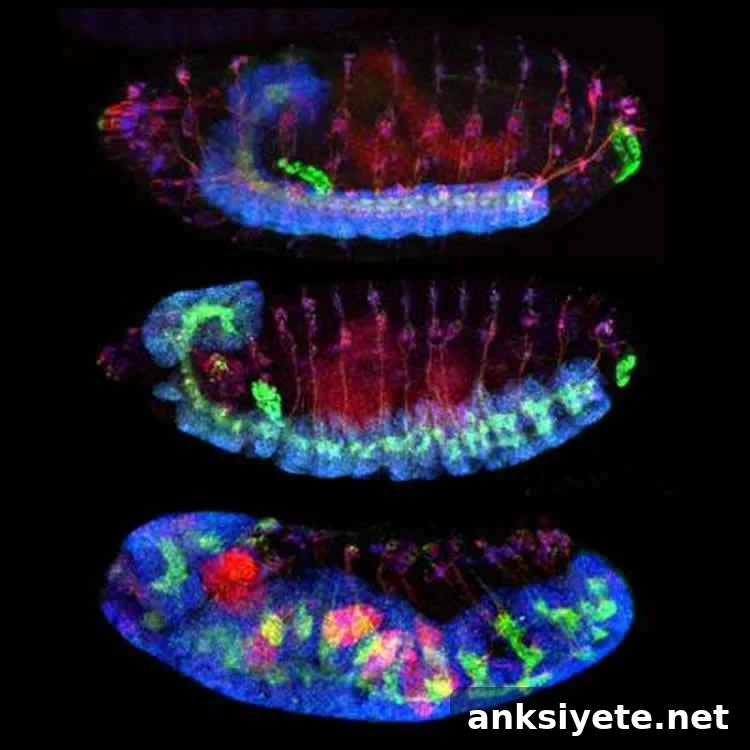
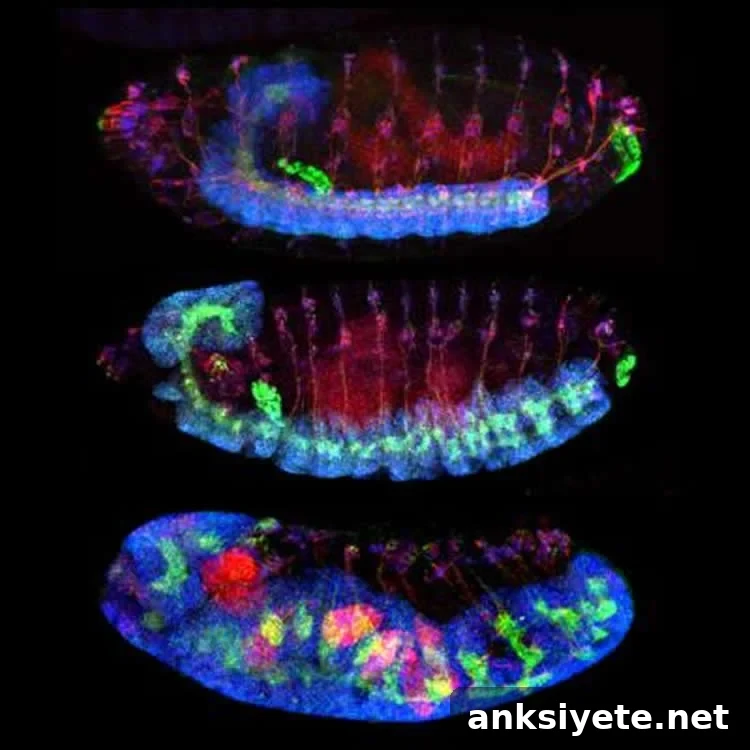
To evaluate whether the TM2D3 variant impairs normal gene function and to explore mechanisms that might link it to Alzheimer’s biology, Baylor investigators used the fruit fly (Drosophila) model. They demonstrated that loss of the fly TM2D3 homolog (known as almondex) produces abnormal nervous system development consistent with disrupted Notch/Presenilin signaling pathways—processes previously implicated in neurodegeneration and the β-amyloid cascade.
Importantly, introducing the normal human TM2D3 gene into mutant flies rescued the neurodevelopmental defects, indicating functional conservation between human and fly TM2D3. By contrast, the human TM2D3 carrying the Alzheimer’s-associated P155L change failed to restore normal development, establishing P155L as a functionally damaging allele. These results provide biological support for the genetic association and suggest a plausible link between TM2D3 dysfunction and pathways relevant to Alzheimer’s disease.
Significance and Next Steps
This study establishes TM2D3 as a novel gene associated with susceptibility to late-onset Alzheimer’s disease, particularly in populations where the P155L variant is enriched, such as Iceland. Because TM2D3 had not previously been linked to Alzheimer’s, the discovery opens a new avenue for research into disease mechanisms and potential therapeutic targets. The combination of human genetic association and functional evidence in Drosophila strengthens the case that TM2D3 plays a biologically meaningful role in pathways tied to neurodegeneration.
Researchers emphasize that P155L is rare even in the Icelandic population and that additional studies are needed to determine how TM2D3 contributes to Alzheimer’s pathology, whether through effects on Notch/Presenilin signaling, interactions with the β-amyloid cascade, or other mechanisms. Larger and more diverse genetic studies, along with detailed molecular and cellular investigations, will be important to evaluate the variant’s impact across populations and to explore potential strategies for intervention.
Key Baylor contributors to this work included Dr. Shinya Yamamoto, Dr. Joshua M. Shulman, Dr. Hugo J. Bellen, Dr. David Li-Kroeger, José Salazar, and Dr. Eric Boerwinkle from Baylor’s Human Genome Sequencing Center. The research article, titled “Rare Functional Variant in TM2D3 is Associated with Late-Onset Alzheimer’s Disease,” was published online in PLOS Genetics on October 20, 2016 (doi: 10.1371/journal.pgen.1006327).
Source: Allison Huseman – Baylor College of Medicine
Image credit: S. Yamamoto, J. Schuman, H. Bellen, Baylor College of Medicine
Original research: PLOS Genetics, doi: 10.1371/journal.pgen.1006327