
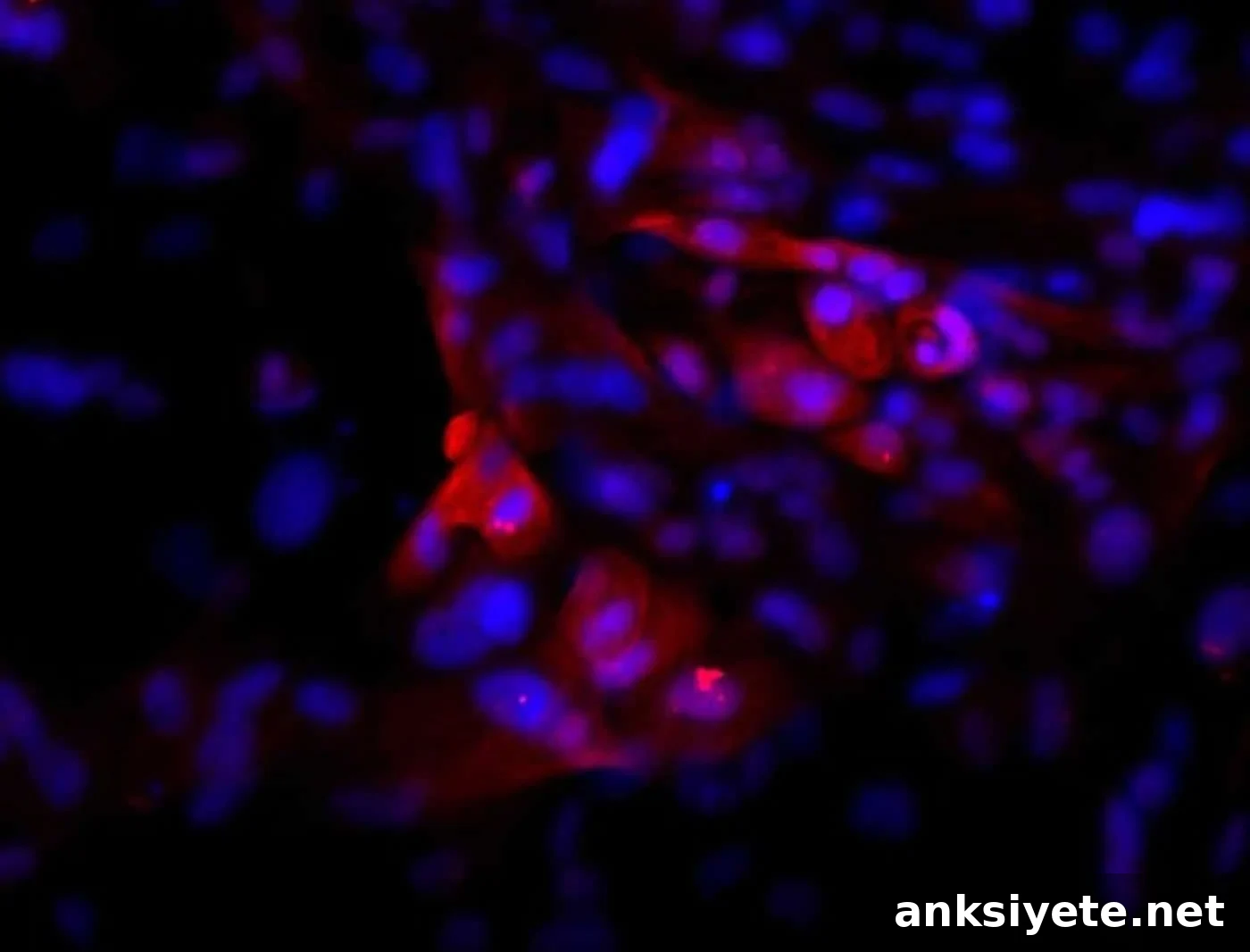
Pituitary Tissue Grown from Human Stem Cells Restores Hormone Production in Rats with Hypopituitarism
Summary: A new study reports that pituitary cells derived from human pluripotent stem cells can produce key hormones and, when transplanted into rats with hypopituitarism, restore appropriate hormonal responses.
Source: Cell Press
Overview
Researchers at the Sloan Kettering Institute for Cancer Research have developed a reliable method to generate functional anterior pituitary cells from human pluripotent stem cells (hPSCs). These lab-grown cells secrete hormones involved in growth, reproduction, and the stress response and, when grafted into rats lacking a pituitary gland, triggered appropriate hormonal responses. The work, published June 14 in Stem Cell Reports, offers a promising step toward cell replacement therapies for hypopituitarism.
Why this matters
The pituitary gland controls critical endocrine functions—regulating growth, metabolism, reproductive processes, and stress hormones. Hypopituitarism, a deficiency of one or more pituitary hormones, can arise from tumors, genetic mutations, trauma, infections, radiation therapy, or immune causes. Patients with hypopituitarism commonly depend on lifelong hormone replacement therapies that are costly and fail to reproduce the body’s dynamic, feedback-regulated hormone rhythms. A durable cell replacement approach could restore physiological hormone regulation and reduce or eliminate the need for continuous medication.
New approach to generate pituitary cells
Previous attempts to produce pituitary lineages used three-dimensional organoid cultures that try to mimic the gland’s embryonic development. Those methods, however, were technically complex, variable, and difficult to scale for clinical manufacturing. To overcome these limitations, the team led by Bastian Zimmer and senior author Lorenz Studer devised a simpler, reproducible monolayer protocol. Instead of recapitulating complex 3D structures, their strategy exposes hPSCs to a carefully timed sequence of defined signaling proteins known from embryonic development. This controlled signaling directs cells toward placode identity and then into diverse anterior pituitary hormone-producing fates.
Functional hormone production and responsiveness
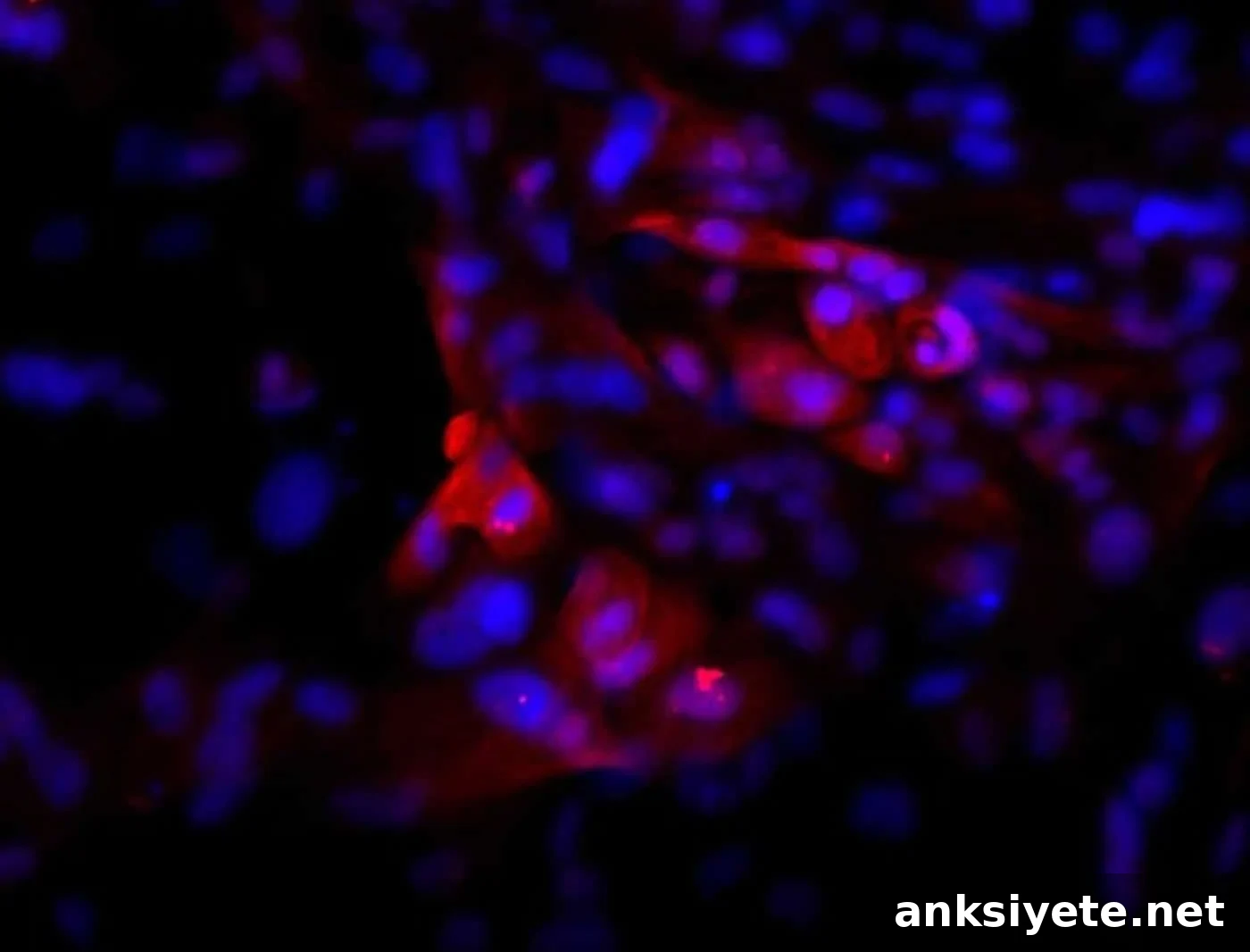
The derived pituitary cells secreted several key hormones in vitro, including growth hormone (GH), adrenocorticotropic hormone (ACTH), prolactin (PRL), follicle-stimulating hormone (FSH), and luteinizing hormone (LH). Importantly, these cells responded to physiological stimuli and feedback signals, producing varying amounts of hormone consistent with normal regulatory control. The researchers demonstrated that the cells’ secretory behavior was not merely basal release but could be modulated by known signals from other organs.
Transplantation results in an animal model
To test therapeutic potential, the investigators transplanted the hPSC-derived pituitary cells subcutaneously into rats whose native pituitary gland had been surgically removed. The grafts secreted ACTH, prolactin, and FSH in vivo and elicited expected downstream hormonal effects in target tissues such as the kidneys. These results indicate that the transplanted cells can integrate functionally enough to drive physiological responses in a living organism, partially rescuing the hypopituitarism phenotype in this model.
Control over cell composition
The team demonstrated the ability to tune the relative proportions of different hormone-producing cell types by adjusting the ratio of two signaling proteins—fibroblast growth factor 8 (FGF8) and bone morphogenetic protein 2 (BMP2)—during differentiation. This controllability suggests the protocol could be tailored to meet the specific hormonal deficits of individual patients or patient groups, a critical feature for translating cell replacement into personalized therapies.
Next steps and clinical relevance
Future work will focus on refining the protocol to produce purer populations of specific hormone-secreting cells and on testing grafts in more clinically relevant animal models. Researchers plan to evaluate transplantation at or near the pituitary site rather than subcutaneously and to assess models in which pituitary damage results from radiation therapy—an important consideration for cancer survivors who often develop hypopituitarism after brain irradiation.
“The current treatment options for patients suffering from hypopituitarism are far from optimal,” says Bastian Zimmer. “Cell replacement could offer a more permanent therapeutic option with pluripotent stem cell-derived hormone-producing cells that functionally integrate and respond to positive and negative feedback from the body. Achieving such a long-term goal may lead to a potential cure, not only a treatment, for those patients.”
Zimmer cautions that these findings represent an early but important step: they do not imply an immediate cure for hypopituitarism, but they do outline a practical path for further preclinical development and eventual clinical application.
Funding and publication
Funding for the study came from the New York State Stem Cell Science program and the Starr Foundation, with additional support in part from the National Institutes of Health and the National Cancer Institute. The study, “Derivation of Diverse Hormone-Releasing Pituitary Cells from Human Pluripotent Stem Cells,” was published in Stem Cell Reports on June 14, 2016. Lead authors include Bastian Zimmer and Lorenz Studer, with co-authors Jinghua Piao, Kiran Ramnarine, Mark J. Tomishima, and Viviane Tabar.
Abstract and highlights
Highlights:
- Defined, cGMP-ready protocol to derive anterior pituitary-lineage cells from hPSCs
- FGF8 and BMP2 patterning enables enrichment for specific hormone-producing cells
- Derived pituitary cells secrete multiple hormones and respond to physiological stimuli
- hPSC-pituitary cells partially rescue a rat model of hypopituitarism
Abstract (summary): Human pluripotent stem cells provide an unlimited cell source for regenerative medicine. Hormone-producing cells are promising candidates for cell therapy, and hypopituitarism represents a clear therapeutic target. This work presents a simple and efficient monolayer differentiation method, using defined signals to direct purified placode cells into anterior pituitary fates. The resulting cells exhibit basal and stimulus-induced hormone release in vitro and demonstrate engraftment and in vivo hormone release after transplantation into a rodent model of hypopituitarism. These findings establish a foundation for future cell therapy applications for patients with pituitary hormone deficiencies.