
Summary: New research from the University of Queensland strengthens evidence that immune system activity during pregnancy can influence fetal brain development. The study suggests that disruptions to complement proteins — components of the innate immune system — may contribute to the origins of developmental and adult psychiatric disorders.
Source: University of Queensland
Immune System Activity During Pregnancy Linked to Fetal Brain Development and Later-life Disorders
Researchers at the University of Queensland report a clearer connection between the immune complement system and early brain development, offering fresh perspectives on how conditions such as schizophrenia, autism spectrum disorder, and certain forms of non-hereditary epilepsy may have roots in the womb.
Complement Proteins: Immune Function and Brain Architecture
Dr. Liam Coulthard of the UQ Faculty of Medicine explains that complement factors — proteins traditionally known for marking bacteria for destruction and helping white blood cells combat infection — also play essential roles in sculpting neural circuits during development. These proteins contribute to multiple developmental processes that shape how neurons form, migrate, and refine their connections.
Genetic studies have previously associated complement genes with psychiatric and neurological conditions. The new review and analysis emphasize that complement activity is not limited to immune defense: it is an active participant in normal brain maturation. Because of that dual role, any alterations in complement signaling during pregnancy, whether triggered by infection or by medications intended to suppress inflammation, could potentially alter neurodevelopmental trajectories and carry consequences into adulthood.
How Complement Pathways Shape the Developing Brain
The research outlines three principal developmental roles for complement proteins:
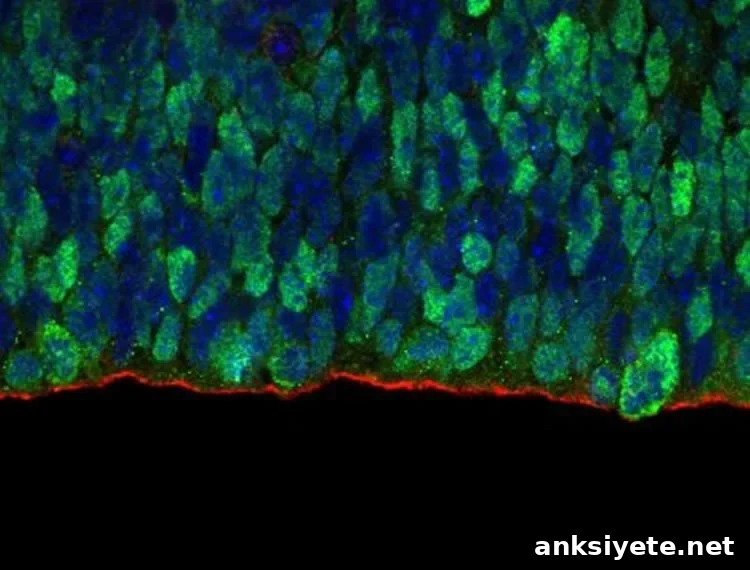
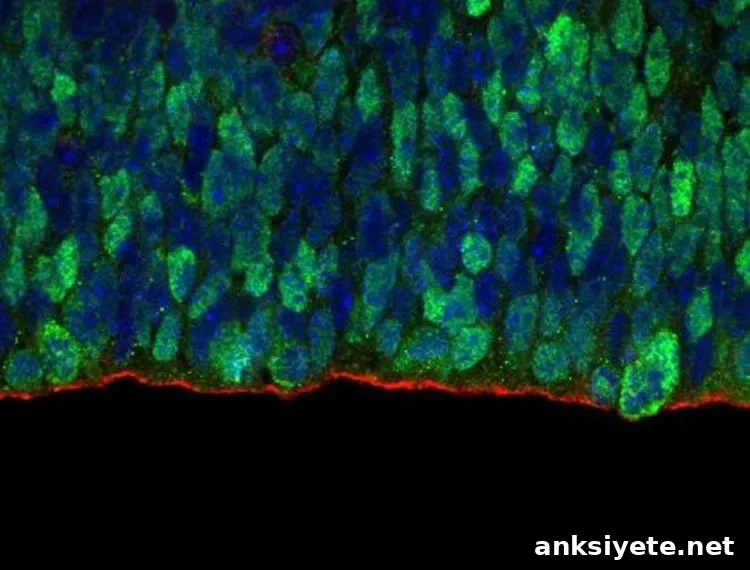
- Progenitor proliferation: Complement signaling influences how neural progenitor cells divide and maintain their polarity in the ventricular zone, helping determine the balance of cell types that will populate the brain.
- Neuronal migration: Certain lectin pathway components are required for proper migration of neurons from their birthplaces to the cortical layers; disruption of these signals can lead to misplacement and layering abnormalities.
- Synaptic pruning: The classical complement cascade contributes to the activity-dependent removal of excess synapses after birth. Complement tags low-activity synapses for microglial engulfment, refining neural circuits.
For example, the C5a–C5aR1 signaling axis supports cell polarity in the ventricular zone through PKCζ activity; impaired signaling in this pathway is linked to behavioral deficits in experimental models. Likewise, components of the lectin complement pathway are necessary for orderly neuron migration, with deficits in MASP1/2 shown to cause cortical layering problems that can be mitigated by restoring downstream complement signaling. The interaction of C3b with CR3 enables microglia to target and remove underused synapses, an important step for sculpting efficient neural networks.
Clinical Implications and Caution During Pregnancy
Dr. Coulthard warns that therapeutic strategies aimed at suppressing complement-mediated inflammation in pregnant women require caution. Because complement proteins carry out essential developmental functions in the fetal brain, indiscriminate inhibition of this system could carry unintended developmental risks. The review underscores the importance of carefully weighing benefits and risks when treating inflammation during pregnancy, whether the trigger is infection or clinical intervention.
Local disruptions in complement signaling can have several developmental consequences: they may alter neuronal positions, interfere with network formation, or influence the fate decisions of stem cells as they differentiate into specific neuron types. Such alterations in early development may not become apparent until later in life, when they contribute to cognitive, behavioral, or psychiatric manifestations.
Research Context and Source Information
This summary is based on a review article titled “Complement: The Emerging Architect of the Developing Brain” by Liam G. Coulthard, Owen A. Hawksworth, and Trent M. Woodrufin, published in Trends in Neurosciences (published March 29, 2018). The review synthesizes emerging evidence that complement proteins have multiple non-inflammatory roles within the developing brain and identifies their involvement in progenitor proliferation, neuronal migration, and synaptic pruning.
Publisher: NeuroscienceNews.com (organized coverage)
Original Research Abstract: “Complement: The Emerging Architect of the Developing Brain” — Trends in Neurosciences, DOI: 10.1016/j.tins.2018.03.009
How to Cite This Article
MLA: University of Queensland. “Brain Development Influenced by Immune System.” NeuroscienceNews, 17 April 2018.
APA: University of Queensland (2018, April 17). Brain Development Influenced by Immune System. NeuroscienceNews. Retrieved April 17, 2018.
Chicago: University of Queensland. “Brain Development Influenced by Immune System.” NeuroscienceNews. (accessed April 17, 2018).
Summary and Outlook
The emerging view positions complement proteins as architects of the developing brain as well as defenders of the body. Recognizing this dual role reframes how researchers and clinicians consider immune activation during pregnancy. Future research will be needed to determine safe and effective approaches to managing maternal inflammation without disrupting essential complement functions in the fetus. In the meantime, these findings reinforce the concept that the origins of many adult neurological and psychiatric conditions may trace back to developmental events in utero, underscoring the importance of maternal health and carefully tailored clinical interventions during pregnancy.