
Summary: Researchers have identified neurons in the brains of praying mantises that encode three-dimensional direction and distance. These discoveries improve our understanding of insect stereopsis and could inspire simpler, more efficient algorithms for machine and robotic vision.
Source: Newcastle University
Newcastle University scientists identify neurons that compute 3D distance and direction in praying mantises
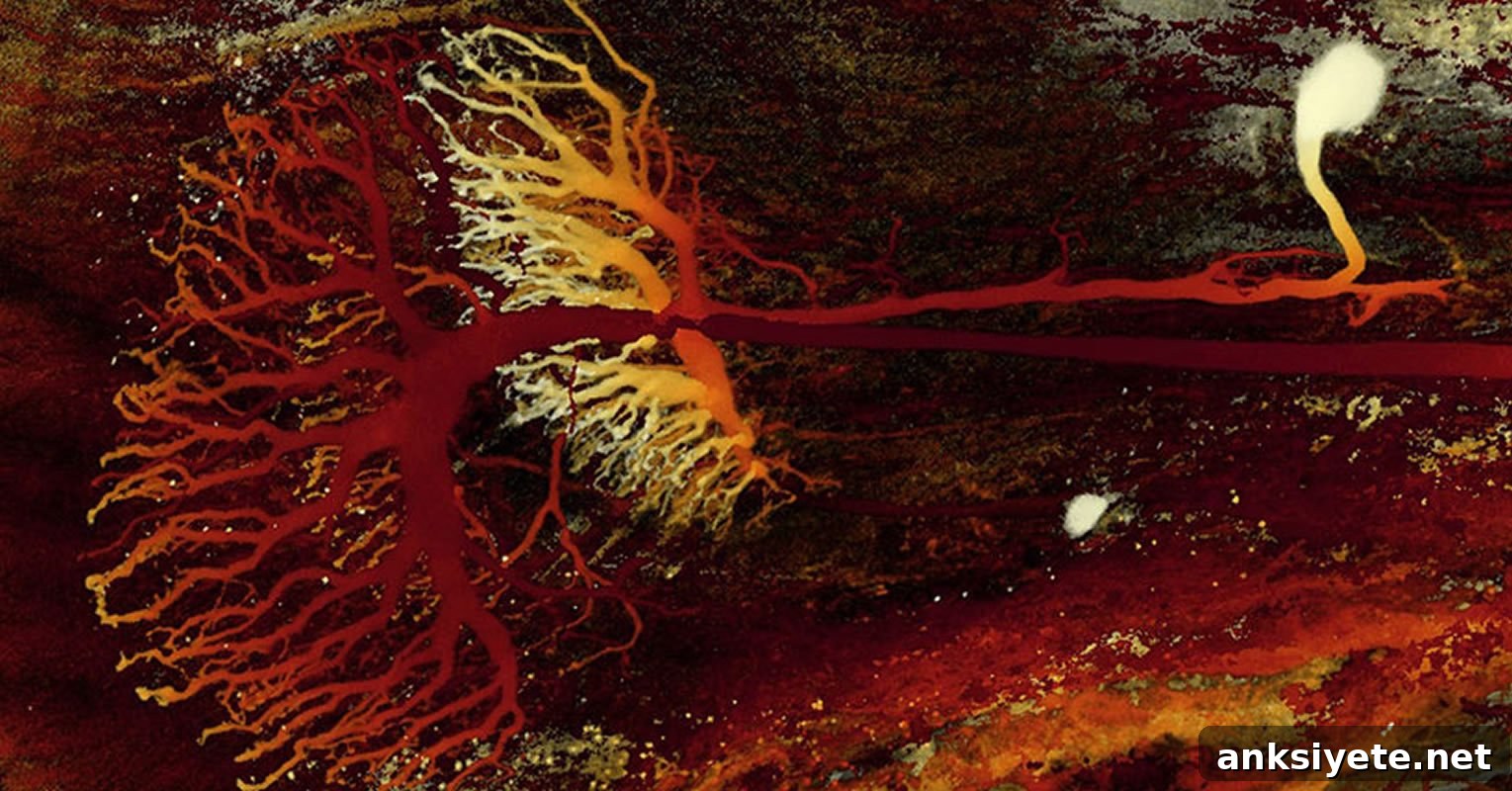
Researchers at Newcastle University have captured the first clear microscope images of neurons in praying mantises that appear to encode three-dimensional space. Published in Nature Communications, the study shows individual cells tuned to binocular disparity and spatial position—key elements of depth perception known as stereopsis. The findings offer new insight into how small insect brains perform complex 3D vision tasks and could guide the development of streamlined algorithms for machine and robot vision.
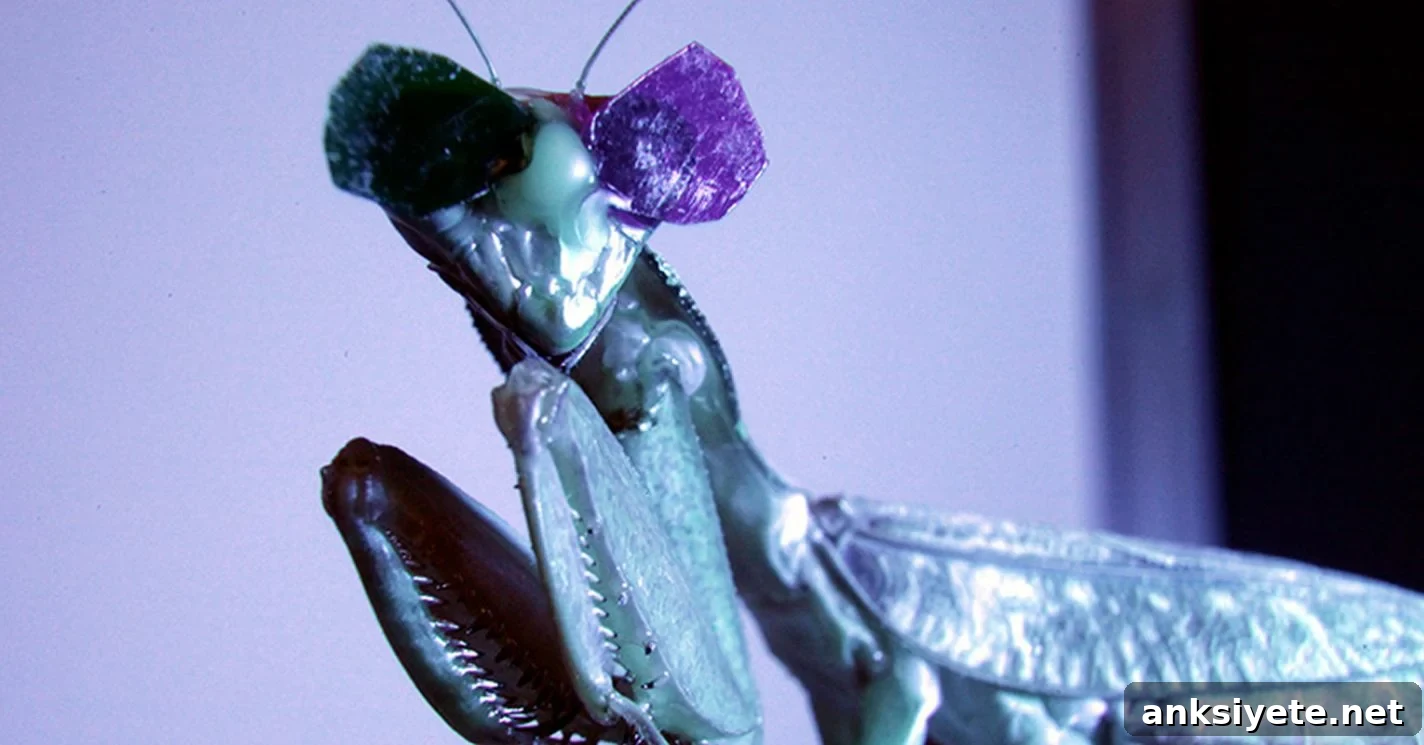
To observe these neurons in action, the team placed mantises in a purpose-built “insect cinema,” fitted them with tiny 3D glasses, and presented stereoscopic movies of simulated prey. While mantises viewed these stimuli, researchers recorded neural activity. When prey entered the mantis’s striking range, individual neurons showed distinct responses tied to the prey’s apparent distance and direction.
Dr Ronny Rosner, Research Associate in the Institute of Neuroscience and lead author of the paper, commented that the work helps explain how insects achieve sophisticated behaviors with compact nervous systems. “Discovering neurons specialized for 3D vision in mantises helps us understand the neural computations behind depth perception,” he said. “Because these circuits are far less complex than vertebrate brains, they could inspire simpler, more efficient approaches to machine and robotic vision.”
Neurons tuned to 3D position and disparity
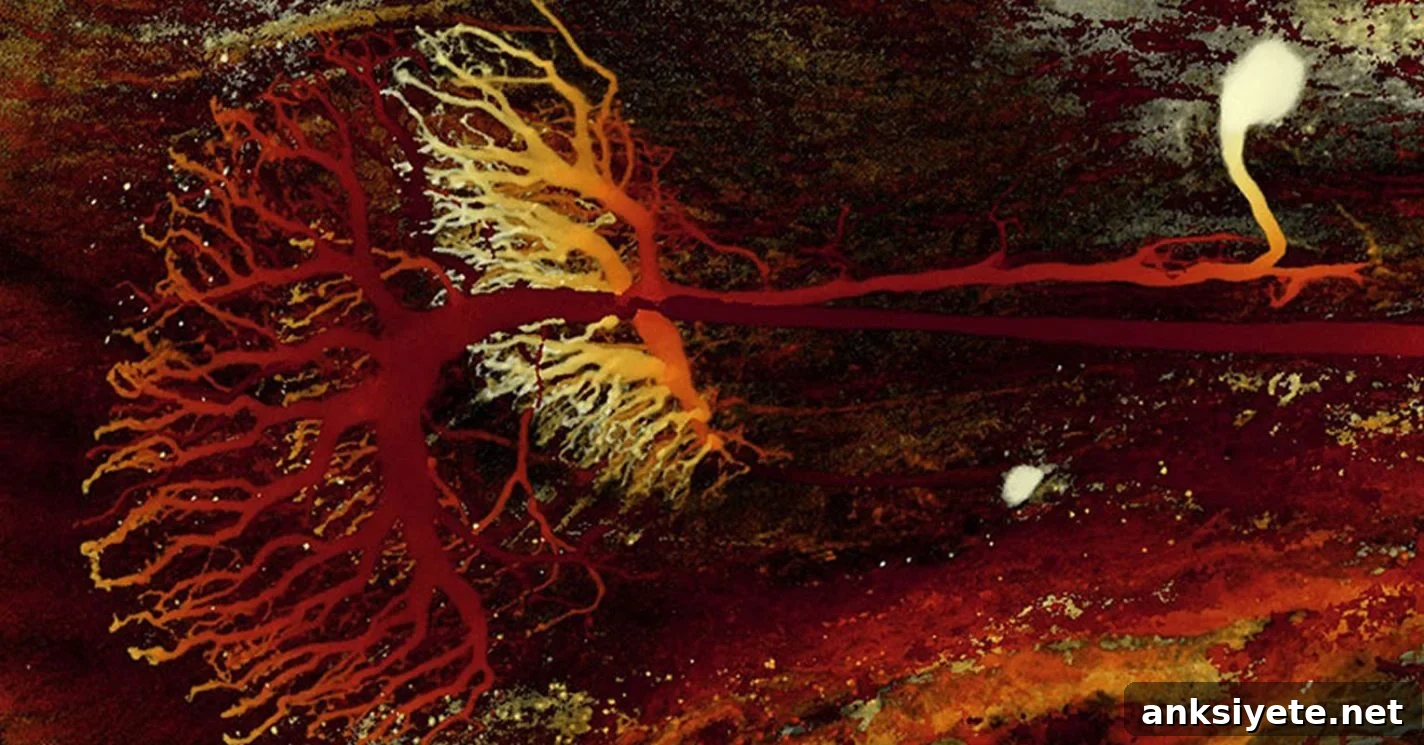
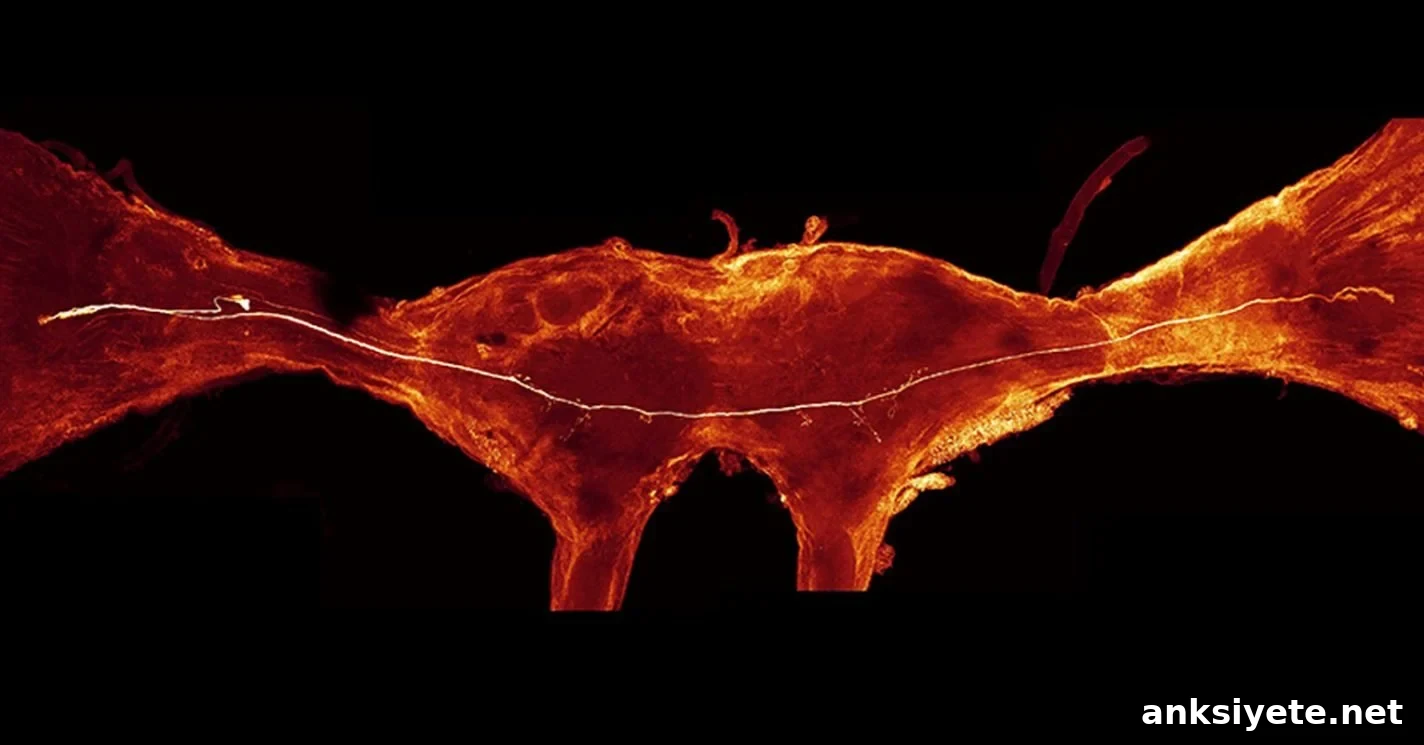
Praying mantises use binocular stereopsis to judge distance: they compare the small differences between images captured by their left and right eyes (retinal disparity) to estimate how far away prey is and to decide when to strike. In this study, the researchers stained recorded neurons to reveal their structure. The staining exposed the cells’ dendritic trees—the branching regions that receive synaptic input—and allowed the team to classify four neuron types likely involved in stereoscopic processing.
The microscope images show the detailed morphology of neurons that integrate binocular inputs. Some neurons responded selectively to specific disparities and retinal eccentricities, meaning they are tuned to particular locations in three-dimensional space. The response patterns resemble those of disparity-tuned neurons found in the visual cortex of vertebrates, where inputs from the two eyes are combined and then passed through nonlinearities to produce selectivity.
Professor Jenny Read, who leads the larger research program funded by the Leverhulme Trust, notes that similarities between mantis neurons and primate cortical cells suggest convergent solutions to the problem of 3D vision. “When distantly related species evolve similar neural mechanisms, it points to robust solutions for computing depth,” she said. The team also identified feedback loops within the mantis 3D-vision circuit—internal connections that modify processing—which have not been clearly reported in vertebrate systems and may provide fresh insights into how depth computations are refined.
This study marks the first identification of specific neuron types in an invertebrate brain that are tuned to locations in three-dimensional space, demonstrating that insect stereopsis relies on dedicated neural circuitry. While the precise computations these neurons perform remain to be fully determined, the combination of electrophysiological recordings and anatomical staining provides a clear anatomical and functional foundation to build upon.
The Newcastle research team plans to continue dissecting the mantis 3D-vision circuit to better understand the computations carried out by these relatively simple brains. Their goal is to translate biological principles of stereopsis into efficient algorithms that improve depth perception in robots and other machine-vision systems, particularly where compact, low-power solutions are needed.
Source:
Newcastle University
Media Contacts:
Ronny Rosner – Newcastle University
Image Source:
The images are credited to the researchers.
Original Research: Open access
“A neuronal correlate of insect stereopsis”. Ronny Rosner, Joss von Hadeln, Ghaith Tarawneh & Jenny C. A. Read. Nature Communications. doi: 10.1038/s41467-019-10721-z
Abstract
A neuronal correlate of insect stereopsis
Understanding how small brains accomplish complex computations is a central challenge in neuroscience and robotics. Praying mantises use binocular stereopsis—calculating distance from disparities between left and right retinal images—to trigger rapid predatory strikes. Prior to this study, the neuronal basis for mantis stereopsis was unknown. The authors present the first evidence that individual neurons in the praying mantis brain are tuned to specific disparities and eccentricities, corresponding to locations in three-dimensional space. The mantis neurons’ responses are consistent with linear summation of binocular inputs followed by an output nonlinearity, similar to disparity-tuned cells in vertebrate cortex. The work also reveals feedback connections within the 3D-vision circuit not previously described in other species.