
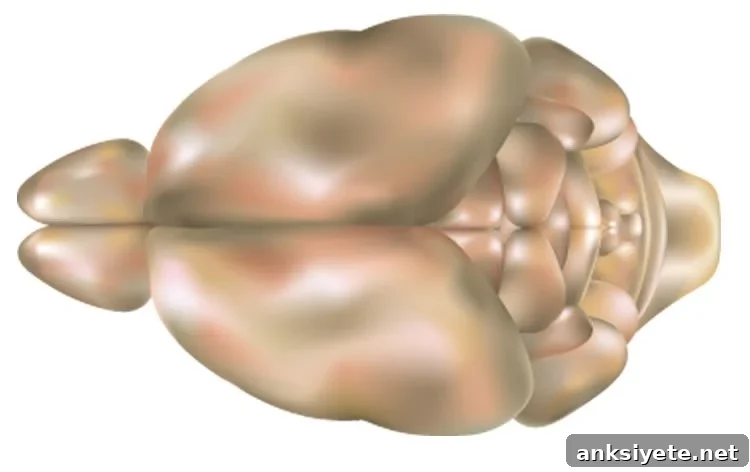
A genetic mouse model that reproduces the biochemical effects of lithium treatment could lead to improved therapies for bipolar disorder
Bipolar disorder is a psychiatric condition marked by recurrent mood episodes—mania or hypomania alternating with depression—that can severely disrupt daily functioning. Lithium remains one of the most effective mood-stabilizing medications for bipolar disorder, yet the precise biological mechanisms behind its clinical benefits have remained incompletely understood. Researchers at the RIKEN Brain Science Institute and RIKEN BioResource Center, led by Tetsuo Ohnishi, have developed a genetic mouse model that provides strong evidence that lithium’s therapeutic effects stem from reducing levels of the cellular signaling compound myo-inositol.
Lithium influences multiple biochemical pathways in the brain. One well-known action is its inhibition of the enzyme myo-inositol monophosphatase (IMPase), which is essential for synthesizing myo-inositol, a small molecule that contributes to several intracellular signaling cascades. The “inositol depletion hypothesis” proposes that lowering intracellular myo-inositol is a key step in lithium’s therapeutic action, but until now direct genetic evidence supporting this idea has been limited.
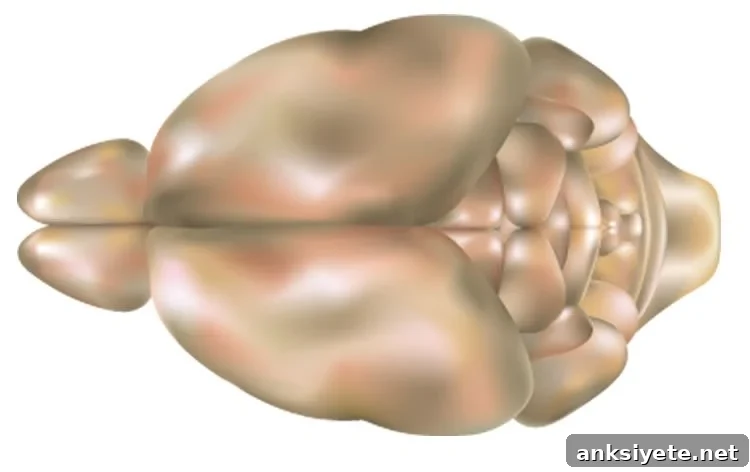
To test the hypothesis, Ohnishi and colleagues engineered mice that carry mutant forms of the IMPase enzyme, effectively reducing the animals’ capacity to synthesize myo-inositol. By lowering intracellular myo-inositol genetically rather than pharmacologically, the team could observe whether inositol depletion alone is sufficient to reproduce the behavioral and physiological effects associated with lithium treatment.
The genetically modified mice displayed behavioral and physiological changes that mirror some known outcomes of lithium therapy. In multiple behavioral assays, the mutant mice showed traits consistent with antidepressant-like effects, and their circadian rhythms were altered: the circadian period was measurably longer compared with wild-type control animals. These findings align with clinical observations that lithium can stabilize mood and lengthen the circadian period in humans.
Beyond the anticipated behavioral changes, the study revealed an unexpected developmental consequence of impairing intracellular inositol synthesis. Some mutant mice exhibited defects in craniofacial and thoracic development, specifically abnormalities in the lower jaw and ribs. Importantly, supplementing pregnant mothers’ drinking water with myo-inositol prevented these birth defects, demonstrating that they resulted directly from inositol deficiency during development rather than from unrelated genetic disruption.
These combined observations suggest overlapping molecular pathways by which reduced myo-inositol can influence both brain function and embryonic development. Ohnishi notes that the molecular mechanisms underlying developmental abnormalities and behavioral effects likely share common elements, raising the possibility that dissecting these shared pathways could clarify how lithium acts on the brain at a molecular level.
The new mouse model provides a valuable experimental platform for exploring IMPase-dependent signaling and for testing novel pharmacological approaches. Current lithium therapy poses clinical challenges: not all patients respond to lithium, and the effective dose range is narrow because the therapeutic concentrations are close to those that cause toxicity. By demonstrating that genetic reduction of intracellular myo-inositol reproduces key aspects of lithium’s action, the study reinforces IMPase and the inositol signaling pathway as promising targets for new, safer mood-stabilizing drugs.
Translationally, these findings could motivate drug discovery efforts aimed at selectively modulating IMPase activity or downstream components of the inositol signaling cascade. Such targeted therapies might preserve the clinical benefits of lithium while reducing systemic side effects and widening the therapeutic window for patients with bipolar disorder.
Contact: Tetsuo Ohnishi – RIKEN
Source: RIKEN press release describing the study
Image Source: Image credited to Database Center for Life Science (DBCLS); used for illustrative purposes.
Original Research: Abstract for “Defective Craniofacial Development and Brain Function in a Mouse Model for Depletion of Intracellular Inositol Synthesis” by Tetsuo Ohnishi et al. in Journal of Biological Chemistry. Published online February 19, 2014. doi:10.1074/jbc.M113.536706