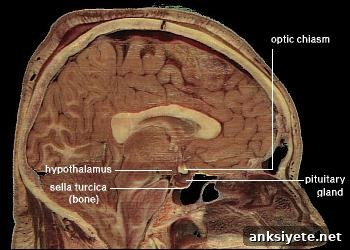
UW–Madison researchers report that the brain itself can synthesize and release estrogen — a finding that could transform our understanding of hormonal regulation from prenatal development through aging.
New experiments demonstrate that the hypothalamus can directly produce estradiol and regulate reproductive function in rhesus monkeys, and the same mechanism is likely present in humans. This research expands the long-standing view that most biologically active estrogens originate solely from the ovaries and highlights a local, rapid source of estrogen within the brain.
For decades, scientists have recognized the hypothalamus as a central regulator of the menstrual cycle and reproductive physiology. Although neural estrogens were hypothesized in the last 40 years, direct evidence that the brain itself can make and release estradiol had been lacking until now.
Typically, estradiol is produced by the ovaries and released into the bloodstream, affecting various tissues including the brain and pituitary gland. Circulating estradiol influences reproductive cycles, body composition, learning, and memory. Loss of ovarian function, such as after menopause or oophorectomy, disrupts these processes — but the discovery that the hypothalamus can generate estradiol locally suggests an additional, previously unappreciated layer of hormonal regulation.
“Finding that the hypothalamus can rapidly synthesize substantial amounts of estradiol and influence GnRH neurons was surprising,” says Ei Terasawa, professor of pediatrics at the UW School of Medicine and Public Health and senior scientist at the Wisconsin National Primate Research Center. “These results change how we think about the control of reproductive behavior and have important implications for diagnosing and treating neuroendocrine disorders.”
The studies, which appear in the Journal of Neuroscience, were led by Brian Kenealy, who conducted three complementary experiments to test whether hypothalamic estradiol can regulate GnRH release. In the first experiment, a brief infusion of estradiol benzoate directly into the hypothalamus of ovariectomized rhesus monkeys rapidly triggered pulses of GnRH secretion, indicating that local estradiol can drive reproductive signaling even when ovarian sources are absent.
In the second experiment, mild electrical stimulation of the hypothalamus caused simultaneous release of estradiol and GnRH, demonstrating that brain-derived estradiol can act quickly and in a neurotransmitter-like manner. The third approach used letrozole, an aromatase inhibitor that blocks local estrogen synthesis; when aromatase activity was inhibited, the hypothalamus failed to release both estradiol and GnRH. Together, these methods show that local synthesis of estrogen in the hypothalamus is a critical regulator of GnRH release and reproductive function.
Because rhesus macaques share many reproductive, neurological, and immune features with humans, these findings in primates provide strong translational support for similar mechanisms in people. Terasawa, whose research examines neural and endocrine triggers for puberty, notes that these animals continue to be valuable models for uncovering basic physiological processes with human relevance.
Earlier studies had suggested that estrogen can act like a neurotransmitter in birds and rodents to rapidly influence sexual behavior. Kenealy’s work is the first to document this rapid, local hypothalamic action of estradiol in primates, including animals that do not possess ovarian estrogen production. The discovery that the primate brain can manufacture estrogen enhances our understanding of hormonal dynamics across development — from prenatal stages and puberty through adulthood and into aging.
Beyond reproductive biology, local hypothalamic estrogen production may affect neurological and immune-related conditions thought to involve estrogen imbalance, such as Alzheimer’s disease, stroke, depression, and certain autoimmune disorders. Targeting neuroestrogen synthesis or signaling in the hypothalamus could open new therapeutic directions for neuroendocrine and neurodegenerative diseases.
Notes about this neurobiology research
Contact: Jordana Lenon – University of Wisconsin–Madison
Source: University of Wisconsin–Madison press release
Image Source: The image is credited to the NIH and is in the public domain.
Original Research: Abstract for “Neuroestradiol in the Hypothalamus Contributes to the Regulation of Gonadotropin Releasing Hormone Release” by Brian P. Kenealy et al., Journal of Neuroscience. Published online December 4, 2013. doi:10.1523/JNEUROSCI.3878-13.2013