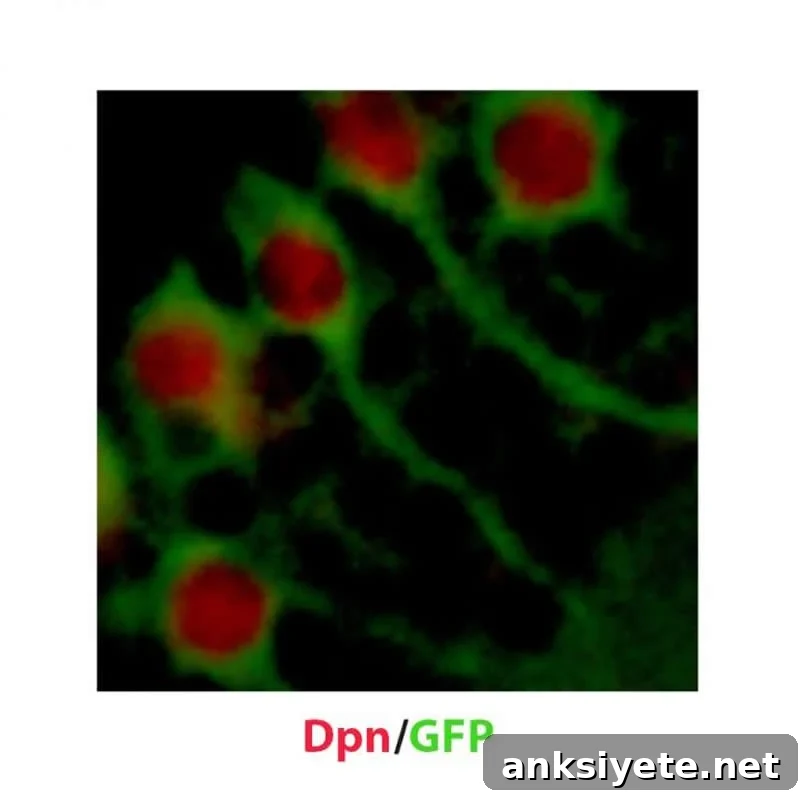
Summary: Awakening dormant neural stem cells may trigger the production of new neurons. These findings, described in a study from Duke‑NUS Medical School, could have important implications for treating brain injury and neurodegenerative disorders if similar mechanisms operate in mammals.
Source: Duke‑NUS Medical School
How dormant neural stem cells in fruit flies are activated and generate new neurons is described in a new research study by Duke‑NUS Medical School. The findings could potentially inform strategies to treat brain injury or neuronal loss if similar mechanisms apply in humans.
Published in PLOS Biology, the study was led by Associate Professor Hongyan Wang, Deputy Director of Duke‑NUS’s Neuroscience and Behavioural Disorders Programme. The team investigated how quiescent neural stem cells (NSCs) in the developing brains of Drosophila larvae exit dormancy and resume proliferation to produce neurons. Understanding the switch that moves NSCs from a dormant to an active state is fundamental for brain development and for potential regenerative therapies, yet until now the molecular control of this transition has been poorly understood.
The researchers found that a conserved protein complex called CRL4 is essential for NSC reactivation. CRL4 acts by downregulating a signaling pathway that enforces stem cell quiescence. Specifically, the study shows that CRL4 forms a complex with the tumor suppressor kinase Warts, a core component of the Hippo pathway that maintains NSC dormancy. CRL4 targets Warts for ubiquitin‑mediated degradation, relieving the inhibitory signal and triggering neural stem cells to reenter the cell cycle and generate neurons.
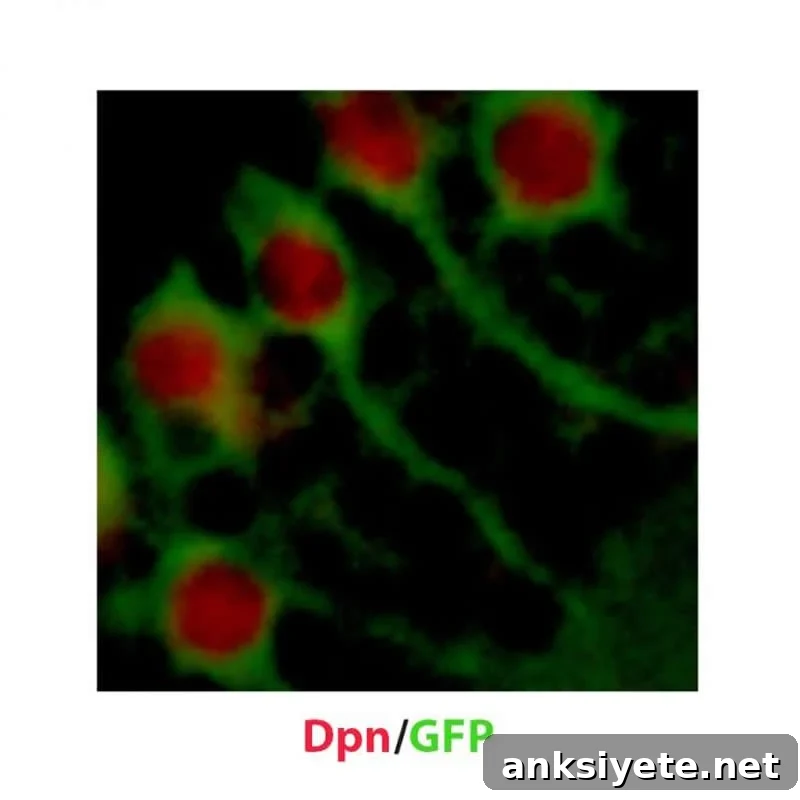
The ability to awaken dormant NSCs has clear translational appeal: stimulating these cells could promote the generation of new neurons to compensate for damage following injury or the progressive neuronal loss seen in neurodegenerative diseases such as Parkinson’s and Alzheimer’s. The authors emphasize that further research is required to determine whether CRL4 and its downstream effects act in the same way in mammalian brains, including the human brain.
“Mutations in human Cullin4B, a core component of the CRL4 complex, are associated with intellectual disability and cortical malformations,” said Associate Professor Wang. “Our work clarifies how CRL4 functions during brain development in Drosophila, and we plan to investigate whether these proteins and mechanisms are conserved in mammals. Ultimately, a deeper understanding of how to control neural stem cell activation could inform therapeutic approaches for neurodevelopmental and neurodegenerative conditions.”
Professor Patrick Casey, Senior Vice Dean for Research at Duke‑NUS, commented on the broader context: “The prevalence of neurodegenerative diseases such as Parkinson’s disease is expected to rise globally as populations age. Basic research that improves our understanding of brain development and stem cell behavior is essential to guide the development of new therapies and improve care for people affected by these disorders.”
Source:
Duke‑NUS Medical School
Media Contact:
Federico Graciano – Duke‑NUS Medical School
Image credit:
Ye Sing Tan
Original research (open access):
“CRL4Mahj E3 ubiquitin ligase promotes neural stem cell reactivation.” Authors: Phuong Thao Ly, Ye Sing Tan, Chwee Tat Koe, Yingjie Zhang, Gengqiang Xie, Sharyn Endow, Wu‑Min Deng, Fengwei Yu, Hongyan Wang. PLOS Biology. DOI: 10.1371/journal.pbio.3000276
Abstract (summary)
The ability of neural stem cells (NSCs) to transition between quiescence and proliferation is essential for proper brain development and homeostasis. In Drosophila, the Hippo signaling pathway plays a key role in maintaining NSC quiescence, but how this pathway is regulated during brain development was not well understood. This study demonstrates that CRL4Mahj, an evolutionarily conserved E3 ubiquitin ligase complex, is required for NSC reactivation. Core components of Cullin4‑RING ligase (CRL4), including damaged DNA‑binding protein 1 (DDB1) and Cullin4, are intrinsically necessary for NSC reactivation, and the substrate receptor Mahjong (Mahj) is both necessary and sufficient to drive this process. CRL4Mahj forms a complex with Warts (Wts/Lats), a kinase in the Hippo pathway, and promotes Warts ubiquitination, leading to its degradation. Genetic analyses support the conclusion that CRL4Mahj triggers NSC reactivation by inhibiting Warts. Given the links between Cullin4B mutations and human neurodevelopmental disorders, similar regulatory mechanisms may have relevance to the human brain.