Summary: A new mouse study helps explain how maternal viral infection during pregnancy can increase the risk that children later develop autism or schizophrenia.
Source: Weizmann Institute of Science.
Weizmann Institute mouse study links disrupted fetal immunity to later neurodevelopmental disorders
Research from the Weizmann Institute of Science, published in Science on June 23, 2016, identifies a plausible cellular and molecular mechanism by which maternal viral infection during pregnancy can alter fetal immune development and raise the risk of neurodevelopmental disorders in offspring.
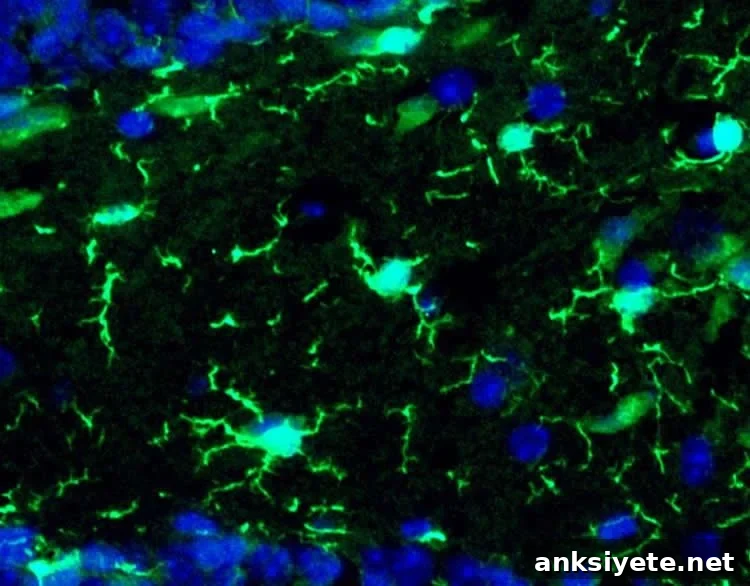
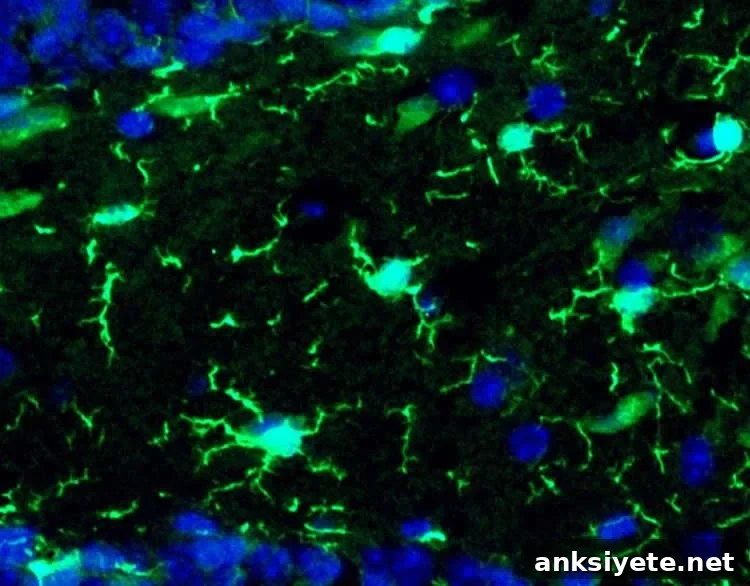
Previous epidemiological studies and animal models have shown an association between maternal infection during pregnancy and a higher incidence of conditions such as autism and schizophrenia in children. The new study, led by Dr. Ido Amit and Prof. Michal Schwartz from the Immunology and Neurobiology Departments, respectively, focuses on microglia — the brain’s resident immune cells — and their coordinated development alongside the brain.
The researchers mapped the development of microglia in the fetal and newborn mouse brain and found that these cells progress through three distinct developmental stages: early embryonic microglia that colonize the brain soon after its formation, a transitional pre-microglia stage that occurs around birth, and the mature adult microglia state. By profiling gene expression, regulatory pathways and epigenetic features at each stage, the team defined the molecular signatures and control mechanisms that drive microglial maturation. They also tested the functions of several stage-specific genes to better understand how microglia contribute to normal brain development.
Of the three stages, the pre-microglia phase — which coincides with the critical period of synaptic “pruning” as the newborn brain refines its neural circuits — proved most vulnerable to disruption. During pruning, microglia help eliminate excess synapses and sculpt the emerging neuronal networks. When pregnant mice were exposed to synthetic agents that mimic a cytomegalovirus (CMV) infection, the researchers observed altered timing of gene expression in the offspring’s pre-microglia. These cells exhibited mistimed maturation and shifted prematurely toward an adult-like state. The mice born from these pregnancies later showed behavioral abnormalities, including impaired social interactions and behaviors that resemble features of schizophrenia in humans.
“We’ve discovered that immune cell development in the brain must be tightly synchronized with the brain’s own developmental timeline,” said Prof. Michal Schwartz. “A premature transition of microglia to an adult state in mice leads to functional problems in the brain that appear later in life.” While these results were obtained in mice, the authors propose that similar disruptions of microglial timing in humans may contribute to the increased risk of autism and schizophrenia observed when maternal immune responses are heightened during pregnancy.
In a separate set of experiments, the team explored the relationship between microglial development and the gut microbiome. Newborn mice raised without any microbes showed delayed microglial maturation, indicating that microbial signals influence immune cell development in the brain. This finding raises the possibility that factors shaping an infant’s microbiome — natural ones such as breastfeeding or medical interventions such as antibiotic use — could indirectly affect microglial maturation and, by extension, aspects of neural circuit development. The extent to which these mouse findings translate to humans remains to be determined, but they provide an important direction for future research on how maternal and early-life immune and microbial environments shape neurodevelopmental outcomes.
Orit Matcovitch-Natan, a graduate student working with both Amit and Schwartz, was a lead contributor to the study. Other key participants included Dr. Deborah R. Winter, Amir Giladi, Eyal David, Dr. Hadas Keren-Shaul, Dr. Eran Elinav, Christoph Thaiss, Hila Ben-Yehuda, Merav Cohen, Dr. Kuti Baruch, Amit Spinrad, and Prof. Michael H. Sieweke. The collaborative work brought together expertise in immunology, neurobiology, and systems-level genomic profiling to chart how immune cell development in the fetal brain is regulated and how it can be perturbed by maternal immune activation.
Implications and future directions
This study provides a mechanistic link between maternal immune activation and altered neurodevelopment in offspring by showing that disrupted timing of microglial maturation can have lasting behavioral consequences. The findings emphasize the importance of tightly regulated interactions between the immune system and brain development and suggest two broad implications: first, that controlling maternal infections and immune responses during critical windows of pregnancy could reduce risk for certain neurodevelopmental disorders; and second, that early-life microbial exposures that shape the infant microbiome might also influence brain immune cell maturation and neural circuit formation.
Further research will be needed to clarify which specific maternal immune signals affect microglia timing, how human microglial development parallels the stages observed in mice, and whether interventions targeting maternal health or the neonatal microbiome could modulate risk. The Weizmann team’s genomic and epigenetic profiling of microglial stages establishes a resource to guide these next steps and to test targeted hypotheses about immune-brain crosstalk in development.
Funding: Dr. Ido Amit’s research is supported by the Benoziyo Endowment Fund for the Advancement of Science; David and Fela Shapell Family Foundation INCPM Fund for Preclinical Studies; Wolfson Family Charitable Trust; Leona M. and Harry B. Helmsley Charitable Trust; and Rosenwasser Fund for Biomedical Research. Dr. Amit is the incumbent of the Alan and Laraine Fischer Career Development Chair.
Prof. Michal Schwartz’s research is supported by private donors and foundations; Prof. Schwartz holds the Maurice and Ilse Katz Professorial Chair of Neuroimmunology.
Source: Yael Edelman – Weizmann Institute of Science
Image credit: Weizmann Institute of Science.
Original research: Study published in Science.