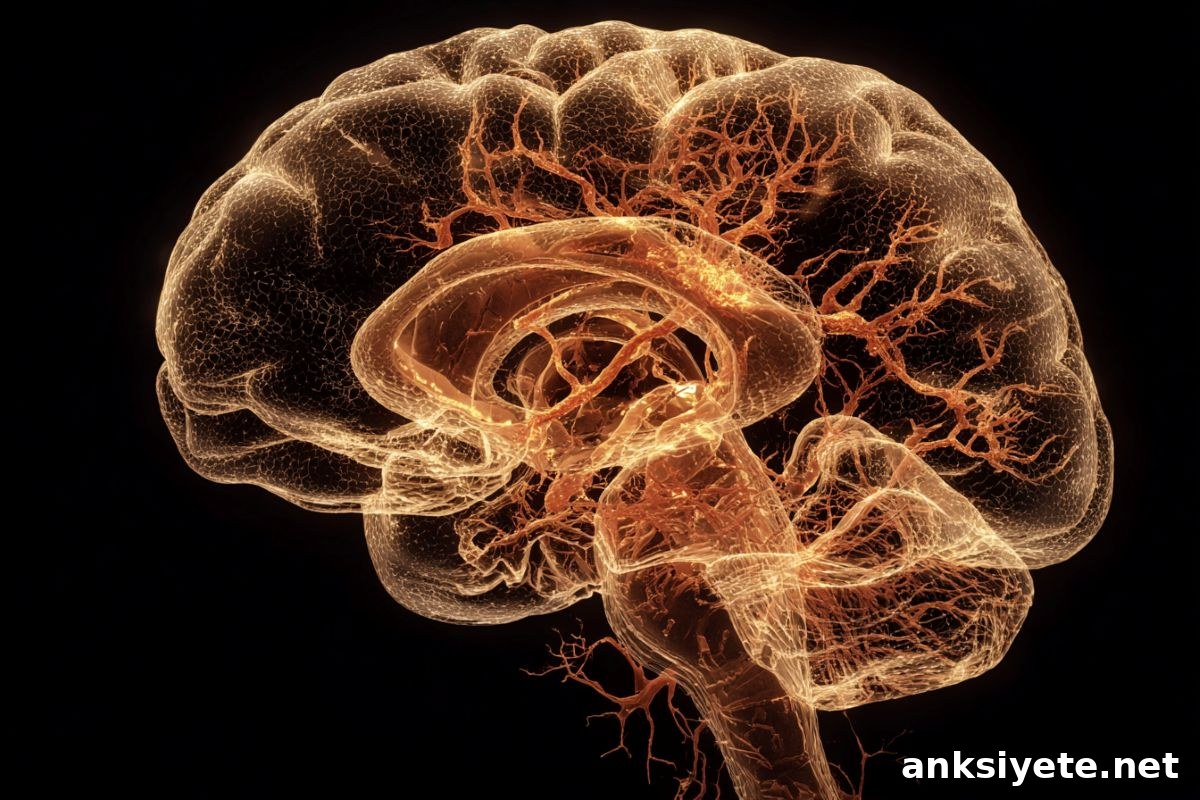
Summary: A precision neuro‑oncology and cellular metabolism study has revealed a previously unrecognized lipid‑remodeling mechanism that glioblastoma (GBM) tumors exploit to sustain aggressive growth. The research identifies an endoplasmic reticulum (ER)–localized lipid scramblase, CLPTM1L, as a principal architect of plasma membrane lipid rafts that stabilize oncogenic signaling.
By showing that CLPTM1L directly links ER lipid reshuffling to the assembly of these membrane platforms, the study supplies a clear mechanistic model explaining how cancer cells preserve Epidermal Growth Factor Receptor (EGFR) signaling and drive lethal tumor progression.
Key Facts
- The architecture of proliferative signaling: The plasma membrane is organized into dynamic, lipid‑rich microdomains called lipid rafts. These rafts concentrate receptors and signaling components. In adult glioblastoma—the most aggressive primary brain tumor—EGFR signaling is a dominant oncogenic driver. How tumor cells maintain the membrane structures that support continuous EGFR activity has been unclear.
- Frequent CLPTM1L amplification: Analysis of cancer datasets found that the ER scramblase CLPTM1L is frequently gained, amplified, and highly expressed across multiple tumor types. In glioblastoma patients, CLPTM1L levels are significantly higher than in non‑tumor brain tissue or low‑grade gliomas, and elevated CLPTM1L consistently correlates with shorter patient survival across independent cohorts.
- Depletion undermines tumor viability: Functional studies demonstrate that knocking down CLPTM1L sharply reduces GBM cell viability and proliferation and halts tumor sphere growth; reintroducing the scramblase restores proliferation. Conversely, CLPTM1L overexpression enhances colony formation in tumor cells and drives hyperproliferation in non‑cancerous cells, indicating a causative role in growth control.
- Structural collapse of lipid rafts: Loss of CLPTM1L disrupts cellular lipid homeostasis and depletes multiple raft‑associated components, including glycosphingolipids, phosphatidylserine, and GPI‑anchored proteins. The cell surface level of the primary raft marker GM1 falls dramatically, signaling structural collapse of membrane rafts.
- EGFR mislocalization and signaling shutdown: EGFR requires colocalization with GM1 within rafts for stable surface signaling. Raft loss removes EGFR from the plasma membrane, redirecting the receptor to lysosomal compartments for degradation and extinguishing downstream EGFR‑mTORC1/2 and ERK signaling pathways.
- Orthotopic in vivo validation: In orthotopic GBM xenograft models with inducible CLPTM1L knockdown, depletion of the scramblase significantly reduced tumor growth, suppressed EGFR‑mTOR signaling in tumor tissue, and extended survival in mice, reinforcing the proposed metabolic and signaling model.
Source: Higher Education Press
The plasma membrane is not a passive barrier; it forms specialized lipid domains that organize receptors and signaling molecules. In glioblastoma (GBM), EGFR acts as a central oncogenic driver, and maintaining raft architecture is essential for persistent proliferative signaling.
A new study in Life Metabolism by Professor Junfeng Bi and colleagues at Fudan University identifies CLPTM1L, an ER‑localized lipid scramblase, as a critical regulator of membrane raft formation and EGFR‑dependent proliferative signaling in GBM. The work connects ER lipid remodeling with plasma membrane organization and tumor growth, providing a mechanistic basis for how cancer cells sustain receptor signaling through membrane architecture.
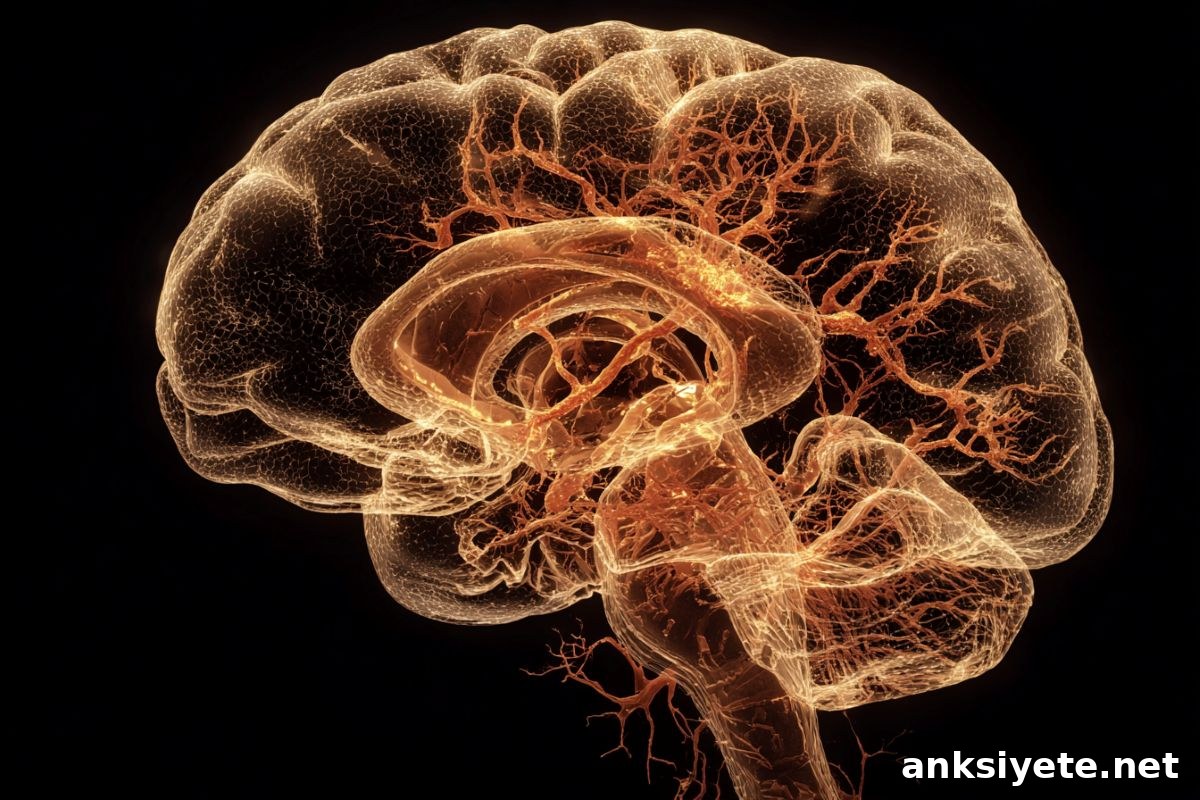
The authors began by surveying lipid scramblases and flippases in cancer genomic and expression datasets, identifying CLPTM1L as frequently amplified and overexpressed. In GBM, CLPTM1L expression was elevated relative to normal brain and low‑grade tumors and was associated with worse outcomes.
In cell‑based assays, CLPTM1L depletion impaired GBM cell survival and reduced growth of tumor spheres; re‑expression rescued these defects. Overexpression promoted colony formation and proliferation in non‑transformed cells, supporting a role for CLPTM1L in actively promoting proliferative growth rather than merely correlating with it.
Mechanistic studies revealed that CLPTM1L loss perturbs lipid composition and depletes critical raft components, including glycosphingolipids and glycosylphosphatidylinositol (GPI)‑anchored proteins. Surface GM1 levels dropped markedly, and EGFR was displaced from the membrane and routed to lysosomal puncta, coinciding with a loss of EGFR‑mTOR and ERK pathway activity. Rescue experiments showed that restoring A4GALT, an enzyme involved in Hex3Cer biosynthesis, partially recovered EGFR signaling and cell viability in CLPTM1L‑deficient cells.
In orthotopic GBM xenograft models with inducible CLPTM1L knockdown, depletion of the scramblase significantly suppressed tumor growth, reduced EGFR‑mTOR signaling within tumor tissue, and extended animal survival, validating the pathway in vivo. Together, these results place CLPTM1L upstream of a membrane raft‑dependent EGFR signaling axis that supports GBM progression.
Overall, the study proposes that CLPTM1L couples ER lipid scrambling and GPI‑anchored protein maturation to plasma membrane raft organization, thereby maintaining EGFR signaling in glioblastoma. Because CLPTM1L is amplified or overexpressed in multiple cancers and many receptor tyrosine kinases depend on membrane organization, CLPTM1L may represent a potential therapeutic target to disrupt membrane‑dependent oncogenic signaling.
Key Questions Answered:
A: Lipid rafts create organized surface platforms where receptors like EGFR can cluster and signal effectively. EGFR requires this structured environment to drive rapid cell proliferation; without intact rafts, signaling efficiency collapses and tumor growth is impaired.
A: CLPTM1L acts as a master lipid scramblase within the ER, regulating lipid composition and supporting the maturation of GPI‑anchored proteins. By controlling the supply and balance of specific lipids, CLPTM1L influences the assembly and maintenance of surface lipid rafts.
A: Knockdown of CLPTM1L leads to loss of membrane rafts and depletion of GM1, causing EGFR to be internalized and routed to lysosomes for degradation. This removes EGFR from the cell surface and effectively shuts down downstream mTOR and ERK signaling pathways that sustain tumor growth.
Editorial Notes:
- This article was edited by a Neuroscience News editor.
- The journal paper was reviewed in full.
- Additional context was provided by editorial staff.
About this brain cancer research news
Author: Rong Xie
Source: Higher Education Press
Contact: Rong Xie – Higher Education Press
Image: The image is credited to Neuroscience News
Original Research: Closed access. “CLPTM1L modulates membrane lipid rafts to promote tumor EGFR signaling” by Dejian Pang, Xuan Yang, Xinyao Li, Zixuan Xue, Xincan Hou, Kemu Xiao, Yun Yang, Guanlin Wang, Tong-Jin Zhao, and Junfeng Bi.
DOI: 10.1093/lifemeta/loag012
Abstract
CLPTM1L modulates membrane lipid rafts to promote tumor EGFR signaling
The plasma membrane dynamically organizes into specialized lipid domains to support proliferative signaling, but the mechanisms that regulate raft formation during tumor progression are not fully understood. This study identifies cleft lip and palate transmembrane protein 1‑like (CLPTM1L), an ER‑localized lipid scramblase, as a key regulator of membrane raft assembly and EGFR‑mediated proliferative signaling in cancer. High CLPTM1L expression correlates with poor survival in glioblastoma.
Depletion of CLPTM1L disturbs lipid homeostasis and causes a marked loss of raft components, including glycosphingolipids and GPI‑anchored proteins, while reducing cell‑surface EGFR that normally colocalizes with GM1. CLPTM1L‑dependent raft remodeling promotes EGFR signaling and cell proliferation in both cancerous and non‑cancerous cells. In GBM mouse models, CLPTM1L depletion inhibits EGFR signaling and profoundly limits orthotopic tumor growth. These results establish CLPTM1L as a crucial regulator of membrane raft domains and highlight its role in cancer proliferative signaling.