Summary: Genomic research reveals genetic signatures linked to the evolution of long lifespans and large brains in capuchin monkeys.
Source: University of Liverpool
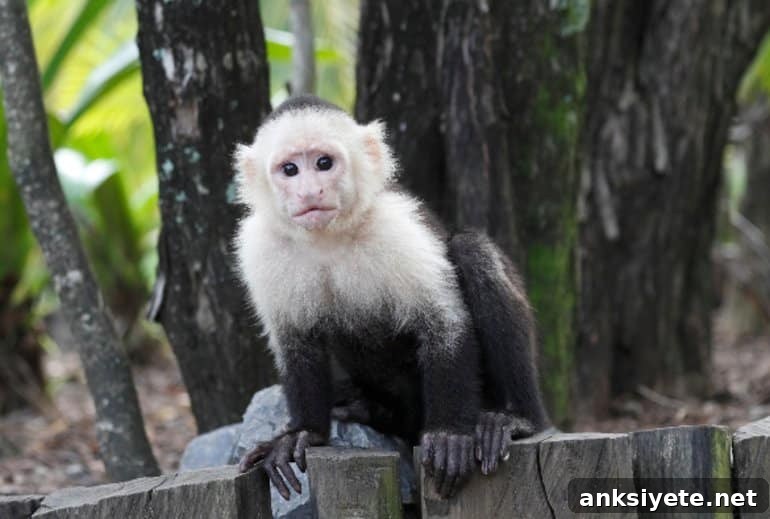
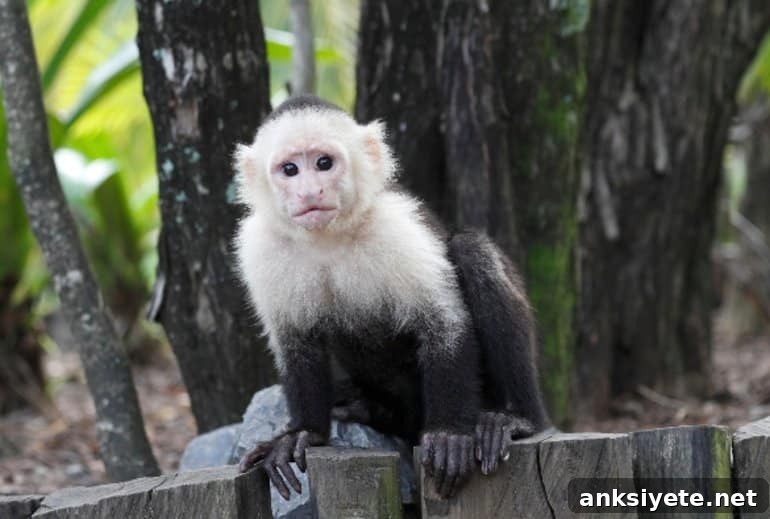
For the first time, an international research team has produced a reference genome for a capuchin monkey, uncovering genetic signals connected to their unusually long lifespans and relatively large brains.
Published in PNAS, this study was led by researchers at the University of Calgary with significant contributions from the University of Liverpool and other collaborators.
“Capuchins exhibit the largest relative brain size among monkeys and can live beyond 50 years despite weighing only a few kilograms. Until now, the genetic basis of these traits remained largely unexplored,” explains Professor João Pedro de Magalhães, who studies ageing at the University of Liverpool.
The team assembled and annotated a high-quality reference genome for the white-faced capuchin (Cebus imitator) and used comparative genomics across a broad set of mammals to search for genes under selection that relate to longevity, brain development, and ecological adaptation.
By comparing capuchin genomes from different habitats and against other mammalian genomes, the researchers identified genes showing signatures of positive selection tied to DNA repair, metabolism, cell cycle regulation, and insulin signalling—pathways known to influence ageing and brain function.
“We detected selection on genes associated with both longevity and brain development, which helps clarify how these complex traits can evolve,” says senior author Amanda Melin, a Canada Research Chair who has studied capuchin behaviour and genetics for nearly 20 years. “We also found evidence of genetic adaptation to drought and seasonal environments by comparing capuchin populations that live in rainforest and seasonal dry forest habitats.”
The study highlights genes linked to the DNA damage response—a process long implicated in ageing. Previous work by Professor de Magalhães and others has shown that DNA repair and related pathways often display selection patterns connected to long lifespans across mammals.
“Because many ageing-related genes have multiple roles, it is difficult to determine whether selection acts directly on lifespan or on other life-history traits such as growth rate and developmental timing that correlate with longevity,” Professor de Magalhães cautions. Nevertheless, the genetic signals identified are consistent with mechanisms that could contribute to capuchins’ extended lifespans and enlarged brains.
A key technical advance underlying this work is a noninvasive method for isolating primate DNA from fecal samples. The technique, called fecalFACS, adapts fluorescence-activated cell sorting (FACS) to separate host epithelial cells from the microbes and dietary DNA that typically dominate fecal material.
“Traditional DNA extraction from feces yields 95–99% non-host DNA, which forces researchers to sequence microbes and food rather than the animal of interest,” explains lead author Dr Joseph Orkin, who carried out this work as a postdoctoral scholar at the University of Calgary and now works at Universitat Pompeu Fabra-CSIC in Barcelona. “FecalFACS enables whole-genome sequencing from noninvasively collected fecal samples, opening up new possibilities for studying free-ranging and endangered mammals.”
Because fecalFACS allows recovery of high-quality host DNA from readily available, noninvasive samples, it has strong potential to support future conservation genomics by making population-level whole-genome data far easier and less costly to obtain.
About this genetics and longevity research news
Source: University of Liverpool
Contact: Press Office – University of Liverpool
Image: The image is credited to University of Liverpool
Original Research: Closed access.
“The genomics of ecological flexibility, large brains, and long lives in capuchin monkeys revealed with fecalFACS” by Orkin et al., PNAS
Abstract
The genomics of ecological flexibility, large brains, and long lives in capuchin monkeys revealed with fecalFACS
Capuchin monkeys present an intriguing combination of ecological flexibility, relatively large brains, and extended lifespans. To investigate the genetic basis of these traits, the authors assembled and annotated a de novo reference genome for Cebus imitator. They sequenced high-depth DNA from blood, multiple tissues, and feces, applying fluorescence-activated cell sorting (fecalFACS) to isolate primate epithelial cells from fecal material.
Comparing genomes of capuchin populations living in tropical dry forest and lowland rainforest revealed population divergence in genes involved in water balance, kidney function, and metabolism—consistent with local adaptation to different environmental pressures. A broader comparative genomics analysis across diverse mammals identified genes under positive selection related to brain development and longevity.
This combined intra- and interspecific genomic approach sheds light on molecular pathways that may underpin brain evolution, extended lifespan, and ecological adaptation in capuchins, while demonstrating a practical, noninvasive method for obtaining whole genomes from free-ranging mammals.