Arizona State University researchers report higher levels of several toxic metals in children with autism compared with typically developing peers
A study recently published in the journal Biological Trace Element Research examined toxic metal concentrations in children with autism and in neurotypical control children. The research, conducted by a team at Arizona State University, compared blood and urine samples from 55 children diagnosed with autism (ages five to 16) with samples from 44 age- and gender-matched control children. The authors found that children in the autism group showed significantly higher concentrations of several toxic metals in both blood and urine.
Specifically, the study reported a 41 percent increase in lead concentration in red blood cells among children with autism compared to controls. Urinary measures revealed even larger differences: lead was 74 percent higher, thallium 77 percent higher, tin 115 percent higher, and tungsten 44 percent higher in the autism group. These metals—lead, thallium, tin, and tungsten—are known to be neurotoxic at elevated levels and can disrupt brain development and function as well as impair other organ systems.
The investigators also analyzed whether toxic metal levels were linked to the measured severity of autism symptoms. Using three different standardized scales to assess autism severity, their statistical models indicated that metal burdens explained between 38 and 47 percent of the variation in symptom severity across the participating children. Among the metals evaluated, cadmium and mercury showed the strongest associations with severity scores.
While these associations do not by themselves prove causation, the authors note a biologically plausible relationship: many toxic metals interfere with neurodevelopmental processes and can exacerbate neurological and behavioral conditions. The research team therefore suggests that reducing early-life exposure to toxic metals could potentially lessen autism-related symptoms, and that therapies to remove accumulated metals might benefit some children. They emphasize that these hypotheses require further study and that a growing body of research supports deeper investigation into environmental metal exposures in relation to autism.
The study was led by James B. Adams, a President’s Professor in ASU’s School for Engineering of Matter, Transport and Energy, who also directs the ASU Autism/Asperger’s Research Program. The paper builds on previous work from Adams and colleagues, including an open-label study of dimercaptosuccinic acid (DMSA), an FDA-approved chelating agent used to remove certain metals. That prior study reported that DMSA was generally safe and effective at lowering some toxic metal levels and that some participants experienced improvements in autism-related behaviors—particularly children who initially had higher urinary metal concentrations.
These findings contribute to a larger discussion about environmental influences on neurodevelopment. The authors call for additional controlled trials and longitudinal research to clarify whether reducing metal exposure or using medically supervised removal therapies can produce sustained clinical benefits for children with autism. They also recommend further work to identify key exposure sources and to determine which subgroups of children, if any, might gain the most from targeted interventions.
Notes about this autism research
The study received funding from the Autism Research Institute and the Legacy Foundation.
Contact: Joe Kullman – Arizona State University
Source: Arizona State University press release
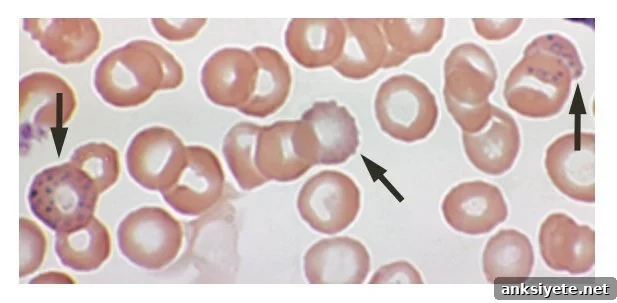
Image Source: Image credited to Herbert L. Fred, MD and Hendrik A. van Dijk via Wikimedia Commons, licensed as Creative Commons Attribution 2.0 Generic.
Original Research: Abstract for “Toxicological Status of Children with Autism vs. Neurotypical Children and the Association with Autism Severity” by James B. Adams et al., published online February 2013 in Biological Trace Element Research. DOI: 10.1007/s12011-012-9551-1