New Research Suggests Low Newborn IGF Levels Could Be Linked to Autism
Gary Steinman, MD, PhD, a physician-researcher at Touro College of Osteopathic Medicine known for his work on fertility and twinning, has proposed a hypothesis that reduced levels of a growth protein—insulin-like growth factor (IGF)—in newborns may predict later development of autism. While the connection has not been directly tested, Steinman outlines the biological rationale and a research plan in the journal Medical Hypotheses.
Insulin-like growth factor (IGF) plays an essential role in brain development. It stimulates the cells that produce myelin, the insulating layer that surrounds nerve fibers and enables efficient signal transmission. During fetal and early childhood development, proper myelination helps establish accurate neural pathways between brain regions, which supports motor skills, sensory processing, cognition, and emotional regulation. Steinman notes that insufficient IGF can result in reduced myelination, a finding that aligns with brain biopsy observations in some individuals with autism.
Steinman’s hypothesis is that lower IGF levels in cord blood or routine newborn screening samples could serve as an early biomarker identifying infants at higher risk for autism spectrum disorder (ASD). He emphasizes that this idea remains speculative until tested in well-designed prospective studies, but if validated it could transform early detection and open the door to preventive or early interventions.
Why studying IGF and autism matters
Autism affects a growing number of children and poses significant challenges for families and health systems. In the United States, current estimates put autism prevalence at roughly 1 in 88 live births, with higher rates in boys. Families with one autistic child face an increased recurrence risk in subsequent children. Given the lifelong impact and financial cost associated with autism, improved understanding of biological risk factors and early detection strategies is a high public-health priority.
Steinman highlights that despite increasing diagnosis rates, the molecular and histological features that distinguish newborns who will develop ASD from those who will not are largely unknown. Identifying perinatal biomarkers such as IGF could help clarify etiology and identify candidates for early therapeutic trials.
Proposed study design
Steinman outlines a prospective study in which umbilical cord blood or routine heel-stick samples—already collected in most hospitals to screen newborns—would be assayed for IGF. Those IGF measurements would then be compared with developmental and neurological assessments conducted between 18 and 36 months of age, the window when many ASD features become apparent. If a robust association emerges between low neonatal IGF and later ASD diagnosis, the next steps could include earlier prenatal assessment of IGF, and carefully controlled intervention trials.
Potential interventions and cautions
If further research supports a causal role for low IGF in some forms of autism, therapeutic strategies aimed at restoring IGF activity might be explored. Steinman mentions several agents that affect IGF levels or signaling—ranging from medications to recombinant growth factors—but stresses that any clinical use would require rigorous testing for safety and efficacy. He also notes that breast milk contains natural sources of growth factors and that longer breastfeeding duration has been associated with lower autism incidence in some studies, though such associations are not proof of causation.
Steinman warns that drugs able to lower IGF could potentially pose risks for pregnant women or those planning pregnancy. He suggests these possibilities should be explored and weighed carefully in clinical decision-making and drug development.
Genetics, parental age, and future directions
Should neonatal IGF prove to be a reliable biomarker, genetic studies could follow to identify gene variants linked to altered IGF regulation. That information might enable preconception or prenatal risk counseling, particularly for couples conceiving later in life; newborn IGF levels are reported to correlate inversely with parental age, and advanced parental age is a known risk factor for ASD.
In developing his hypothesis, Steinman reviewed evidence from genetics, intrauterine environment research, postpartum factors, and neurodevelopmental studies. He and his collaborators describe this as a promising avenue that requires substantial additional work. They hope that confirming a link between IGF and autism could lead to early detection, targeted early treatment, and ultimately preventive strategies.
Notes about this research
This work was supported by the Touro College Office of Sponsored Programs and the Israel Psychobiologic Fund. For reference, the article “Insulin-like growth factor and the etiology of autism” was published by Gary Steinman and David Mankuta in Medical Hypotheses, published online January 31, 2013 (DOI: 10.1016/j.mehy.2013.01.010).
Contact: Gary Steinman – Touro College of Osteopathic Medicine
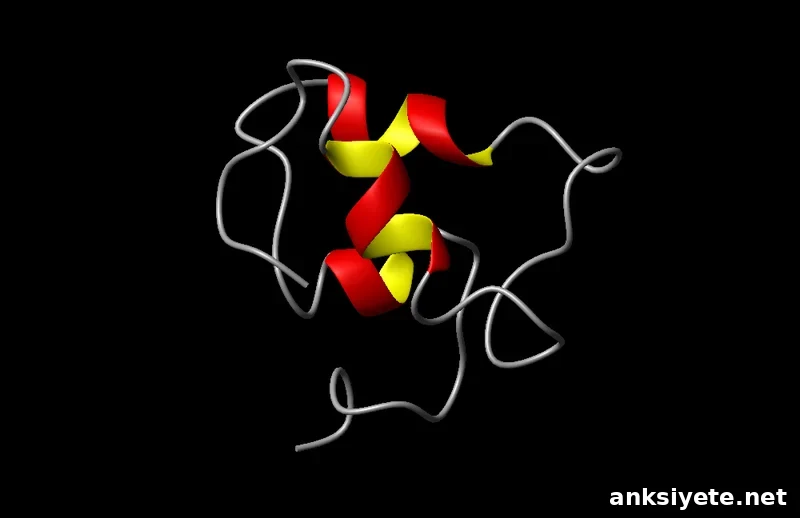
Image source: Schematic image of IGF-1 (public-domain image credited to Danielle Keller on Wikimedia Commons).