Researchers uncover how neighboring brain cells differ in their ability to change with experience
Scientists at the Virginia Tech Carilion Research Institute have reported an important discovery about how individual brain cells vary in their capacity for experience-driven change. Their findings, published in PLOS ONE, reveal striking differences in how synapses— the specialized junctions between neurons—express plasticity, even among neighboring connections exposed to identical patterns of activity.
“Neurons can undergo long-term modifications in response to experience such as learning or emotional events,” said Michael Friedlander, executive director of the Virginia Tech Carilion Research Institute and co-author of the study. “Historically, much of the focus in neuroscience has been on changes at synapses, but we discovered that synapses of similar type and location do not always behave the same way when presented with the same experience.”
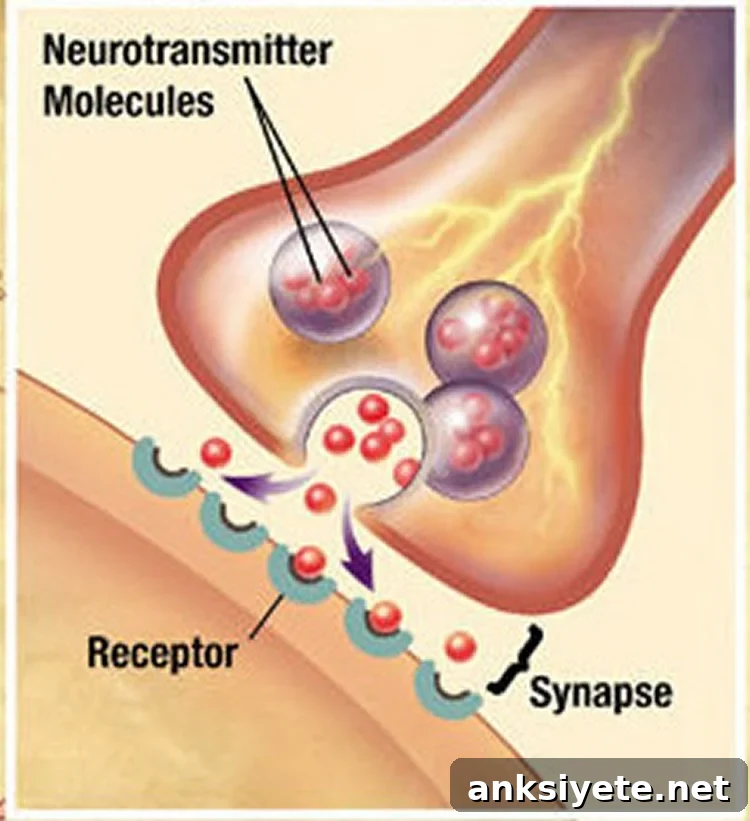
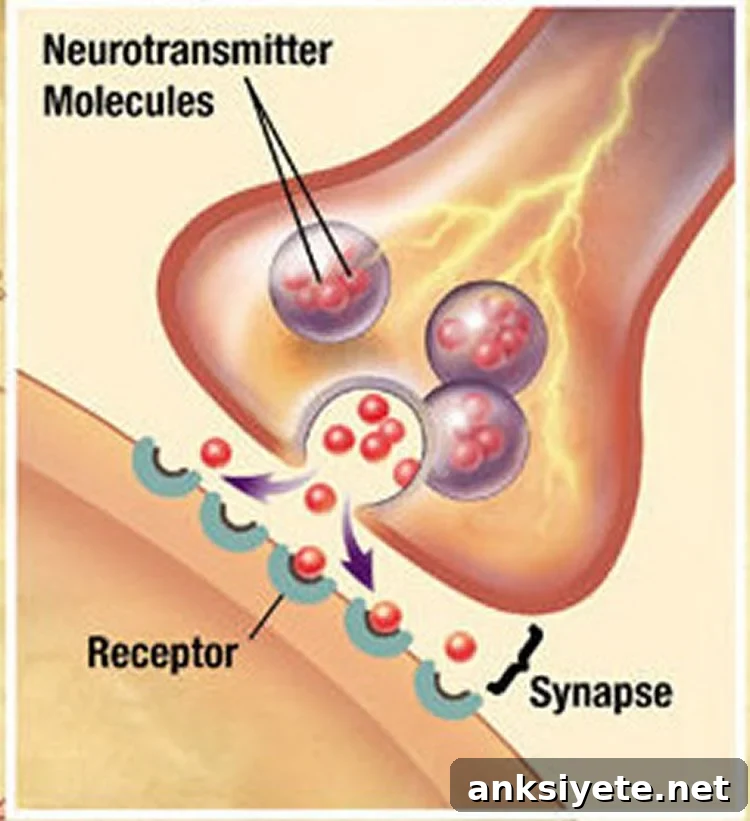
Synaptic plasticity refers to the capacity of synapses to become stronger or weaker by adjusting the efficiency of chemical communication between neurons. These changes can last from minutes to an entire lifetime and underlie how external experiences become encoded in the brain’s circuitry. Plasticity is especially prominent during development, but it continues to shape networks throughout life as learning and experience remodel synaptic connections.
Using a rodent model of the primary visual cortex, Friedlander and Ignacio Saez examined how excitatory synapses on layer 4 neurons respond to repeated activity. Layer 4 is the primary recipient of inputs from the thalamus and serves as the first stage of cortical visual processing. The team recorded electrical responses from individual neurons after activating either groups of neighboring neurons or single presynaptic neurons, then repeated these activation patterns to mimic learning-related training.
Consistent with prior research, the team observed that some synapses strengthen while others weaken following repeated co-activation. But their key new observation was that synapses with similar plasticity tendencies—those likely to potentiate, those likely to depress, and those that remain stable—tend to converge onto the same postsynaptic neurons. In other words, synapses appear to be functionally assorted: like-type plasticity behaviors cluster together as they connect to specific individual neurons.
The researchers further manipulated the inhibitory network in layer 4 by applying a pharmacological agent that blocks GABAA-mediated inhibition. When inhibition was reduced, training produced more dramatic and diverse plasticity outcomes at excitatory synapses. Under these conditions, plasticity responses among different groups of synapses converging on a single neuron became more similar, effectively grouping neurons by their learning responses. Conversely, when inhibition remained intact, the induction of plasticity with extracellular stimulation was limited.
These results suggest that local inhibition acts as a gate that can restrict or permit expression of plasticity at excitatory synapses. The observed functional assortment of synapses onto individual neurons implies that networks may be organized not only by anatomical connectivity but also by shared plasticity states. Such grouping could influence how sensory information is transmitted or modified by prior experience, shaping whether signals pass unchanged to higher cortical layers or are transformed according to recent activity.
“Although it’s long been recognized that similar neuron types tend to interconnect, this study is the first to show that such assortment applies specifically to synaptic plasticity,” Friedlander said. “Recognizing that synapses with similar plasticity properties cluster on particular postsynaptic targets has implications for understanding learning mechanisms and the dynamic behavior of large-scale neuronal networks.”
Source: Ashley WennersHerron – Virginia Tech
Image Credit: Public domain image
Original Research: Full open access research titled “Role of GABAA-Mediated Inhibition and Functional Assortment of Synapses onto Individual Layer 4 Neurons in Regulating Plasticity Expression in Visual Cortex” by Ignacio Saez and Michael J. Friedlander in PLOS ONE. Published online February 3, 2016. DOI: 10.1371/journal.pone.0147642
Abstract
Role of GABAA-Mediated Inhibition and Functional Assortment of Synapses onto Individual Layer 4 Neurons in Regulating Plasticity Expression in Visual Cortex
Layer 4 (L4) of primary visual cortex (V1) receives major thalamocortical input and represents the initial cortical stage of visual processing. Monosynaptic connections from individual L4 excitatory cells onto adjacent L4 cells are highly plastic and can be modified by previous activity. The inhibitory network within L4 may act as an internal gate that limits the induction of excitatory synaptic plasticity, thus preserving high-fidelity transmission or allowing transmission of a modified signal shaped by recent activity-dependent changes. To test this, the authors compared plasticity induced by classical extracellular stimulation (which recruits both excitatory and inhibitory synapses) with plasticity induced by stimulating single excitatory neurons onto L4 cells. Pairing pre- and postsynaptic activity failed to induce plasticity with extracellular stimulation when inhibition was intact. However, blocking GABAA receptors with bicuculline enabled robust long-term potentiation (LTP) or long-term depression (LTD), consistent with results obtained when inhibitory connections were not activated. By comparing observed extracellular stimulation outcomes with predictions generated by randomly mixing individual plasticity profiles, the authors show that the measured plasticity profiles cannot be explained by random assortment. Instead, their data support the idea that synaptic connections onto a single postsynaptic neuron are grouped by plasticity state.
“Role of GABAA-Mediated Inhibition and Functional Assortment of Synapses onto Individual Layer 4 Neurons in Regulating Plasticity Expression in Visual Cortex” by Ignacio Saez and Michael J. Friedlander. PLOS ONE. Published online February 3, 2016. DOI: 10.1371/journal.pone.0147642