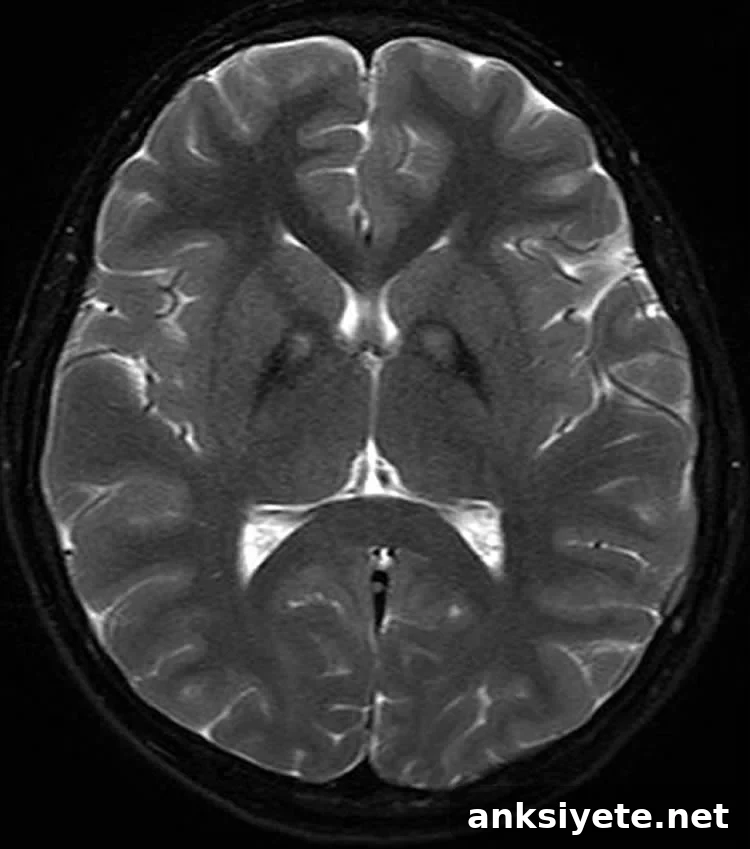
Oxford University researchers, with funding from Parkinson’s UK, have developed a rapid MRI method that shows promise for detecting Parkinson’s disease at an early stage.
In a study published in the medical journal Neurology, the Oxford team reports that their noninvasive MRI approach identified people with early-stage Parkinson’s disease with 85% accuracy in a validation group. The technique, known as resting-state functional MRI (resting-state fMRI), measures patterns of brain activity and connectivity while a person lies quietly in the scanner.
“Currently we lack reliable tools to predict who will develop Parkinson’s disease in the majority of cases,” says Dr Clare Mackay from the Department of Psychiatry at Oxford University, a joint lead on the study. “We are encouraged that this MRI method may provide a sensitive marker for the earliest brain changes associated with Parkinson’s.”
Claire Bale, Research Communications Manager at Parkinson’s UK, adds: “Diagnosing Parkinson’s earlier is one of the biggest challenges in research and care. This simple scanning approach allows researchers to assess activity and network strength in brain regions linked to Parkinson’s, taking us a step closer to earlier and more accurate detection. Early diagnosis would create more opportunities to test treatments that could slow disease progression.”
The study was carried out by researchers at the Oxford Parkinson’s Disease Centre and supported by the National Institute for Health Research (NIHR) Oxford Biomedical Research Centre and the NIHR Clinical Research Network focused on dementias and neurodegeneration.
Parkinson’s disease commonly causes tremor, slow movements (bradykinesia), stiffness and reduced flexibility of muscles. It is estimated to affect about one in 500 people; in the UK this equates to roughly 127,000 people. Although current treatments can alleviate symptoms and improve quality of life, no cure yet exists. The underlying problem in Parkinson’s is progressive loss of specific nerve cells in the brain, a process that begins long before clinical symptoms appear.
To develop therapies that might slow or halt disease progression, clinicians and researchers need reliable methods to identify people at risk before symptoms emerge. Conventional structural MRI has limited ability to detect the early neuronal and network changes that characterize Parkinson’s, so the Oxford team turned to resting-state fMRI to examine functional connectivity within brain circuits known to be affected.
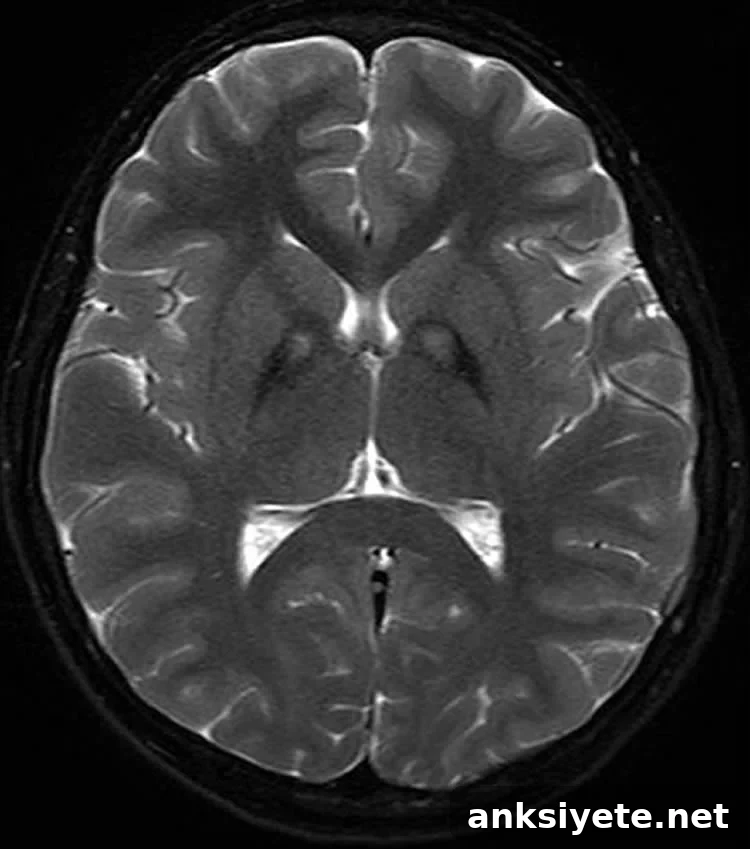
Specifically, the researchers focused on the basal ganglia, a group of structures deep in the brain that play a central role in movement control and are strongly implicated in Parkinson’s. Resting-state fMRI quantifies the coherence or connectivity of spontaneous activity across brain regions. In Parkinson’s, disrupted connectivity in the basal ganglia network may reflect early dysfunction of the affected neural circuits.
In the initial comparison, the team scanned 19 people with early-stage Parkinson’s who were not taking medication and 19 healthy control participants matched for age and sex. They observed markedly lower functional connectivity in the basal ganglia network among the Parkinson’s patients. Using those data, the investigators identified a threshold of connectivity that separated patients from controls with very high sensitivity and specificity: the threshold identified all patients (100% sensitivity) and correctly classified most controls (89.5% specificity).
To test whether the result would replicate, the researchers applied the same MRI threshold to an independent validation group of 13 early-stage Parkinson’s patients. The test correctly identified 11 of the 13 patients, yielding 85% accuracy in this second group. “The difference in connectivity was so clear that we wanted to validate it in an independent sample,” Dr Mackay explains. “The replication gives us confidence that the finding is robust.”
Dr Michele Hu, joint lead researcher from the Nuffield Department of Clinical Neurosciences and the Oxford University Hospitals NHS Trust, notes that while the test performed well in people already diagnosed at an early stage, its greatest potential lies in identifying individuals at risk before symptoms appear. “Because the method is sensitive in early-stage patients, we hope it may eventually be useful for predicting risk in asymptomatic people, but that remains to be demonstrated in further studies,” she says.
To explore this possibility, the Oxford team is conducting follow-up studies using the same resting-state fMRI approach in people considered at increased risk of developing Parkinson’s. These ongoing studies aim to determine whether reduced basal ganglia connectivity can predict future disease onset and thus support earlier intervention strategies.
Contact: Press Office – University of Oxford
Source: University of Oxford press release
Image Source: Image credited to Enro2002 and licensed under Creative Commons Attribution-Share Alike 3.0 Unported
Original Research: Abstract for “Functional connectivity in the basal ganglia network differentiates PD patients from controls” by Konrad Szewczyk-Krolikowski et al., published in Neurology.