
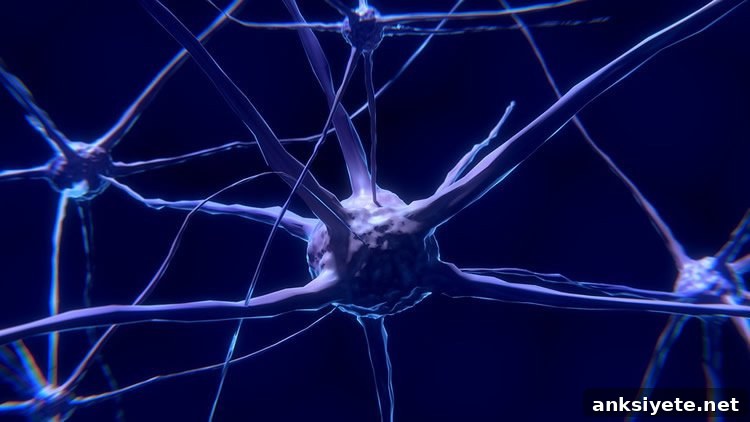
Hippocampal OLM Cells Regulate Memory Encoding and Learning
Summary: New research shows that OLM (oriens-lacunosum moleculare) interneurons in the hippocampus can modulate memory encoding. These findings clarify how a single cell type within memory circuits can influence learning and may inform future approaches to counteract memory loss in dementia.
Source: Uppsala University.
Researchers at Uppsala University, in collaboration with Brazilian colleagues, have identified a class of hippocampal neurons that plays a central role in learning and memory formation. The study, published in Neuron, demonstrates that activity in OLM interneurons affects how new episodic memories are encoded and suggests potential directions for mitigating memory impairment in Alzheimer’s disease and other dementias.
Episodic memory—the system that allows us to remember personal experiences such as a recent meal or a decades-old trip—is largely supported by the hippocampus. Dementia often disrupts this capability, particularly the formation of new memories, while older long-term memories can remain more intact. Understanding which neuronal elements control memory encoding is therefore essential for developing strategies to preserve or restore cognitive function.
Klas Kullander’s research group previously discovered so-called “gatekeeper” neurons known as OLM cells (oriens-lacunosum moleculare interneurons). These specialized inhibitory cells are positioned within hippocampal circuits where they can regulate input and the timing of information flow into memory networks. The new experiments reveal that manipulating OLM cell activity changes how effectively mice form new memories.
In experiments using laboratory mice, artificial overactivation of OLM cells produced a measurable decline in learning and memory performance. Conversely, silencing or reducing the activity of these same cells improved the animals’ ability to form new memories. These bidirectional effects indicate that OLM interneurons are not merely passive components but actively gate the encoding of episodic information by shaping the balance of excitation and inhibition within hippocampal networks.
“We expected that disturbing the function of these cells would impair learning, but we were surprised to find that memory formation could also be enhanced under certain conditions,” says Klas Kullander. The results highlight how precise control of inhibitory microcircuits can have substantial and sometimes unexpected effects on cognitive processes.
The study’s findings carry potential implications for Alzheimer’s disease, the most common form of dementia, in which short-term memory and the ability to form new memories are often among the earliest symptoms. Although there are currently no cures that halt disease progression, identifying neuronal targets that can enhance or restore memory encoding offers a promising avenue for future therapeutic research.
“The next step is to conduct further experiments in animal models that are more directly comparable to human brain function,” Kullander explains. “We need deeper mechanistic insight and safety data before considering approaches to modulate OLM cell function in humans.”
Klas Kullander is a professor at the Department of Neuroscience, and his international research team studies neuronal circuitries that underlie learning, memory, motor skills and cognition. Their work integrates genetics, molecular biology and electrophysiology to probe how specific cell types contribute to brain function.
Funding: This study was supported by the Swedish Research Council, the Swedish Brain Foundation and the Bissen Brainwalk Foundation.
Source: Klas Kullander, Uppsala University
Publisher: Organized by NeuroscienceNews.com
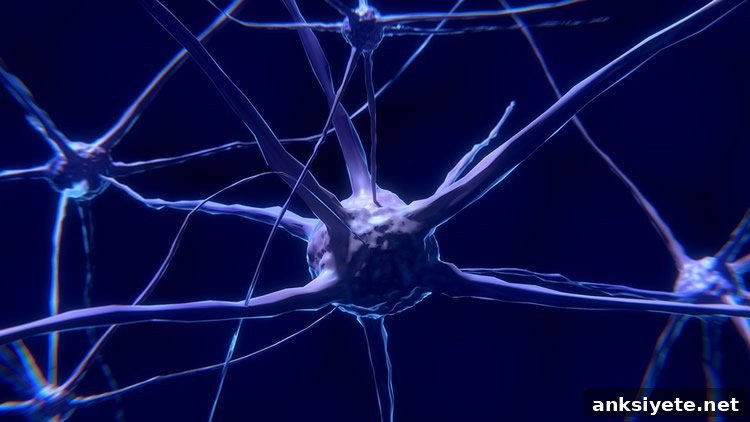
Image Source: NeuroscienceNews.com image is in the public domain.
Original Research: The study will appear in Neuron.
MLA: Uppsala University. “Brain Cell That Improves Learning Detected.” NeuroscienceNews, 5 July 2018.
APA: Uppsala University (2018, July 5). Brain Cell That Improves Learning Detected. NeuroscienceNews.
Chicago: Uppsala University. “Brain Cell That Improves Learning Detected.” NeuroscienceNews. Accessed July 5, 2018.
Please feel free to share this summary of the research on hippocampal OLM cells and their role in memory encoding.