Discovery may lead to improved understanding, earlier diagnosis and new therapeutic directions for Parkinson’s disease
A team of researchers at Boston University School of Medicine (BUSM) has identified a previously unrecognized cellular defect in patients with idiopathic Parkinson’s disease (idPD) and mapped a sequence of pathological events that can precipitate premature loss of specific neurons. The study, published in Nature Communications, reveals a defect in PLA2G6-dependent calcium signaling that appears to drive autophagic failure and progressive degeneration of dopaminergic neurons—offering new targets for diagnosis and treatment.
Parkinson’s disease is a progressive neurodegenerative disorder that primarily impairs movement and affects other essential functions. While genetic forms of Parkinson’s have yielded important insights, the more common idiopathic form remains poorly understood. This new work connects impaired calcium homeostasis to neuronal vulnerability in idPD and demonstrates the same pathology in a purpose-built mouse model.
Key finding: PLA2G6 and calcium signaling
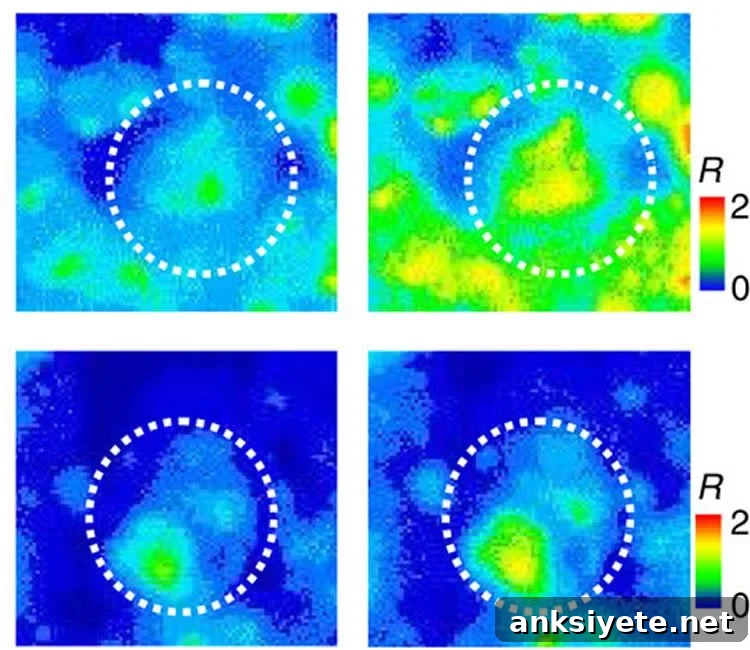
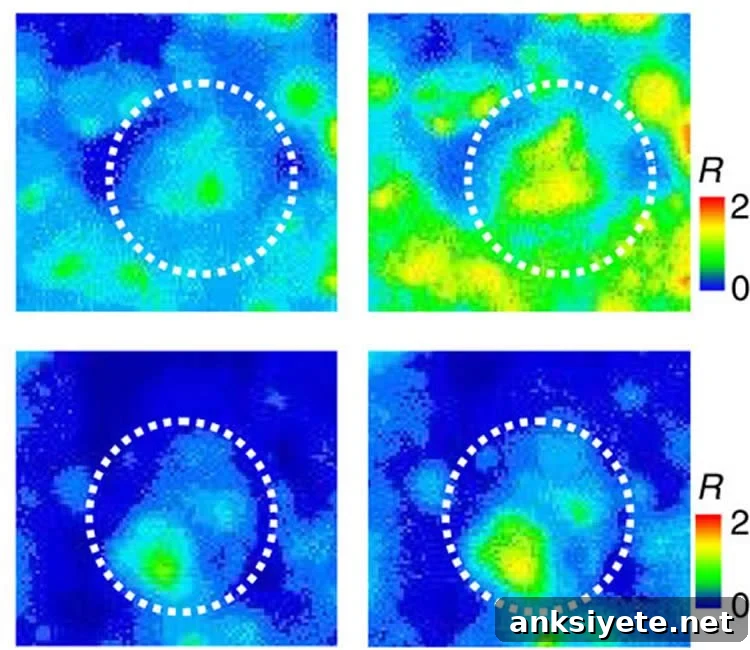
Researchers found that cells from people with idiopathic Parkinson’s disease show a marked deficiency in store-operated calcium entry (SOCE) that depends on the PLA2G6 protein (also referred to as PARK14). This impairment in PLA2G6-dependent Ca2+ signaling disrupts calcium balance within cells and initiates a cascade of events that compromise cellular housekeeping mechanisms, especially autophagy.
Autophagy is a critical process by which cells remove damaged proteins and organelles. The study demonstrates that when PLA2G6-dependent calcium signaling is disrupted, autophagic function falters, contributing to the selective and progressive loss of dopaminergic neurons in the substantia nigra pars compacta—the brain region most affected in Parkinson’s disease. The neuronal loss observed in the model is accompanied by age-dependent motor deficits that respond to L-DOPA, a standard symptomatic therapy for Parkinson’s disease.
Novel genetic mouse model reproduces human pathology
To confirm causality and to study progression, the investigators developed a new genetic mouse model (B6.Cg-Pla2g6ΔEx2-VB, or PLA2g6 ex2KO) that mimics the PLA2G6-related impairment of SOCE seen in patient cells. Mice carrying the mutation exhibited autophagic dysfunction, progressive degeneration of dopaminergic neurons, and motor impairments that emerged with age—closely paralleling human disease features.
By recapitulating the human cellular defect and its downstream consequences in vivo, the model provides a powerful platform for testing hypotheses about disease mechanisms, discovering biomarkers for early diagnosis, and evaluating potential therapies that restore calcium balance or autophagic function.
Implications for diagnosis and therapy
This discovery identifies PLA2G6-dependent calcium signaling as a novel determinant of Parkinson’s disease and highlights calcium homeostasis and autophagy as promising areas for therapeutic intervention. Restoring SOCE or correcting downstream autophagic failures could slow or prevent the selective neuronal loss that underlies motor symptoms. Additionally, the molecular signature of impaired PLA2G6-dependent signaling could inform biomarker development and earlier diagnosis of idiopathic Parkinson’s disease.
Funding: The study received partial support from The Michael J. Fox Foundation for Parkinson’s Research, the U.S. National Institutes of Health, SERVIER Research Institute, and the Department of Medicine at Boston University School of Medicine.
Source: Kristen Perfetuo — Boston University Medical Center
Image Source: The image is credited to the researchers/Nature Communications
Original Research: The full open-access article is “Impairment of PARK14-dependent Ca2+ signalling is a novel determinant of Parkinson’s disease” by Qingde Zhou, Allen Yen, Grzegorz Rymarczyk, Hirohide Asai, Chelsea Trengrove, Nadine Aziz, Michael T. Kirber, Gustavo Mostoslavsky, Tsuneya Ikezu, Benjamin Wolozin & Victoria M. Bolotina in Nature Communications, published online January 12, 2016. DOI: 10.1038/ncomms10332.
Abstract (summarized)
The etiology of idiopathic Parkinson’s disease remains unclear despite identification of multiple familial PARK genes. Focusing on the PARK14 locus (Pla2g6) and store-operated calcium signaling, investigators found a significant deficiency in PLA2G6-dependent SOCE in cells from idPD patients. They reproduced this deficit in a novel Pla2g6 exon 2 knockout mouse model and showed that genetic or molecular impairment of PLA2G6-dependent calcium signaling triggers autophagic dysfunction, progressive loss of substantia nigra dopaminergic neurons, and age-dependent motor impairment that is sensitive to L-DOPA. These findings reveal a previously unknown pathway linked to idiopathic Parkinson’s disease and present new avenues for research into biomarkers and therapies.