
UCI study reveals how oxytocin triggers marijuana-like neurotransmitters that reinforce social pleasure
Researchers at the University of California, Irvine, report that the hormone oxytocin — long associated with bonding and social connection — boosts the brain’s production of anandamide, an endocannabinoid that acts like a naturally produced, marijuana-like neurotransmitter. This interaction appears to strengthen the rewarding feeling of social contact by activating cannabinoid receptors in a key brain region.
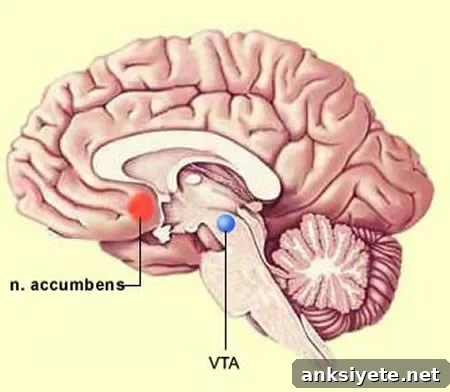
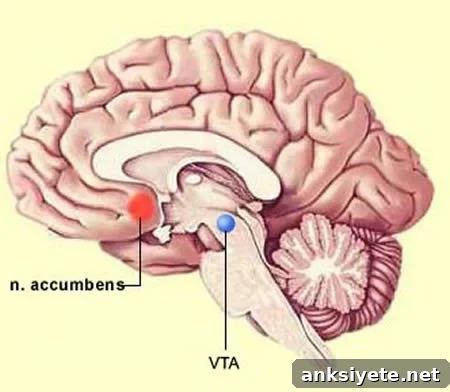
The study measured anandamide in mice that were either allowed social interaction or kept isolated. Anandamide is one of several endocannabinoids produced in the body that bind to the same brain receptors targeted by THC, the active compound in marijuana. In UCI’s experiments, social contact increased anandamide specifically in the nucleus accumbens, a brain structure crucial for motivation and reward. When researchers blocked CB1 cannabinoid receptors in that region, the social reward effect disappeared, demonstrating that anandamide signaling there is necessary for social reinforcement.
The team then explored how oxytocin and anandamide interact. Oxytocin is produced by a small set of neurons and is known to encourage social behaviors and bonding. When researchers selectively stimulated oxytocin-producing neurons, anandamide levels rose in the nucleus accumbens. Crucially, when anandamide’s effects were blocked, oxytocin no longer produced its usual pro-social effects, indicating that oxytocin’s ability to promote social reward depends on inducing anandamide signaling at CB1 receptors.
The findings also point to pharmacological opportunities. Blocking the breakdown of anandamide — thereby prolonging its action — enhanced social enjoyment in treated animals. Mice given a drug that prevents anandamide degradation showed stronger preference for spending time with cage mates than mice given a placebo. This suggests that drugs which boost endocannabinoid signaling could amplify the brain’s endogenous oxytocin-driven social reward system.
Oxytocin has been called the “love hormone,” “hug hormone,” and “cuddle chemical” because of its role in social bonding, maternal behaviors, and aspects of affiliative behavior. Clinical researchers have investigated oxytocin as a potential therapeutic for social deficits, including in autism spectrum disorders, but delivering oxytocin to the human brain is technically challenging because it is a small protein that does not easily cross into central nervous tissue.
Based on their results, the authors suggest an alternative therapeutic angle: drugs that inhibit anandamide degradation (thereby increasing anandamide levels and prolonging its action at CB1 receptors) could enhance the brain’s own oxytocin-driven social reward without requiring direct oxytocin delivery. Some compounds that target endocannabinoid breakdown are already under investigation for anxiety-related conditions, and these findings raise the possibility that similar approaches might help with social impairments.
Funding: The research team included Christine Gall, Don Wei, DaYeon Lee, Conor Cox and Carley Karsten of UCI; Dr. Daniel Geschwind of UCLA; and Olga Peñagarikano of the University of the Basque Country. Support came from the National Institutes of Health (grant DA012413), the UCI Medical Scientist Training Program, and the UCI Center for Autism Research & Translation.
Source: Tom Vasich – UC Irvine
Image Credit: McGill University (licensed CC BY-SA 3.0)
Original Research: “Endocannabinoid signaling mediates oxytocin-driven social reward” by Don Wei, DaYeon Lee, Conor D. Cox, Carley A. Karsten, Olga Peñagarikano, Daniel H. Geschwind, Christine M. Gall, and Daniele Piomelli. Proceedings of the National Academy of Sciences (PNAS), published online October 26, 2015. doi:10.1073/pnas.1509795112
Abstract (summary)
This study shows that social contact increases anandamide release in the mouse nucleus accumbens while isolation reduces it. Activation of anandamide and CB1 cannabinoid receptors is both necessary and sufficient for mice to exhibit social reward in behavioral tests. Oxytocin drives anandamide mobilization in the nucleus accumbens: blocking oxytocin receptors prevents this response, while selective activation of oxytocin neurons stimulates it. Inhibiting anandamide degradation counteracts the effects of oxytocin receptor blockade on social preference and neural activation in the nucleus accumbens. The results indicate that oxytocin-driven anandamide signaling at CB1 receptors controls social reward and suggest that disruptions in this pathway could contribute to social deficits, offering a potential avenue for therapeutic development.