
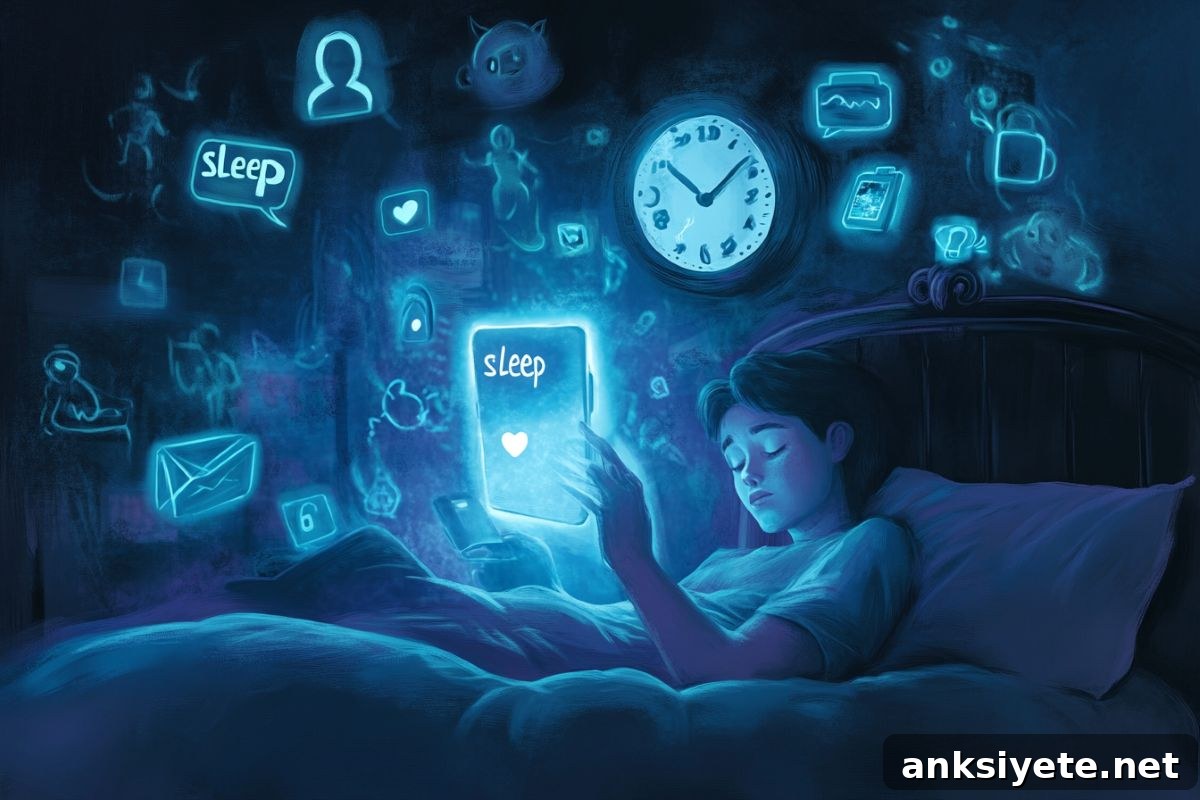
Summary: A large Norwegian study of 45,202 university students found that using screens in bed raises the odds of insomnia symptoms by 59% for each additional hour of use and shortens nightly sleep by an average of 24 minutes. The surprising finding: it was the amount of screen time, not the specific activity—social media, streaming, gaming, or studying—that best predicted poorer sleep.
Researchers point to “time displacement” as the most likely explanation: screen use in bed simply takes time away from sleep. Based on these results, experts recommend stopping screen use at least 30–60 minutes before bedtime and silencing notifications to protect sleep quality.
Key findings
- 59% greater insomnia risk: One extra hour of screen use after going to bed was associated with 59% higher odds of reporting insomnia symptoms.
- Time matters more than type: Social media was not more disruptive than other screen activities; overall time spent on screens was the main factor linked to poor sleep.
- Less sleep: Each additional hour of bedside screen time corresponded to about 24 minutes less sleep on average.
Study overview
The analysis used responses from the 2022 Students’ Health and Wellbeing survey, a nationally representative sample of students in full-time higher education in Norway, aged 18–28. Participants reported whether they used screens after going to bed, how long they used them, and which activities they engaged in—watching shows or movies, gaming, social media, browsing the internet, listening to audio (podcasts, music), or reading study materials.
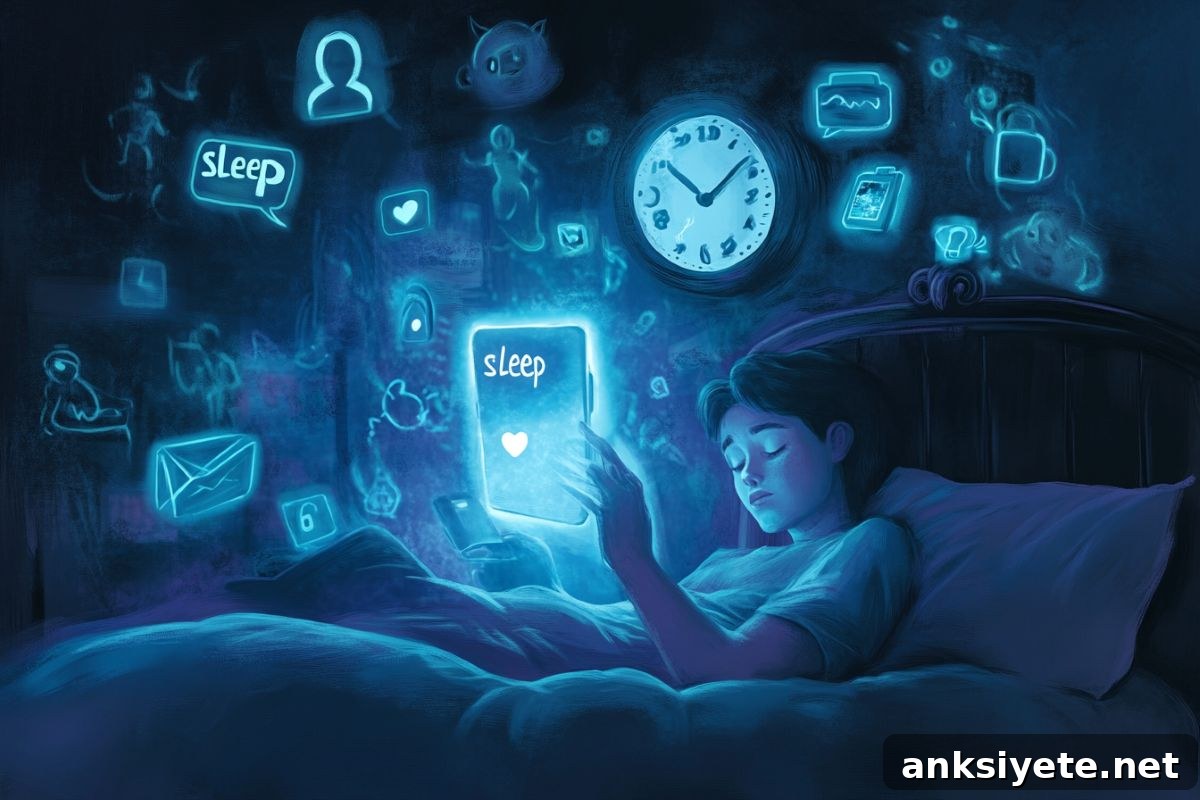
Participants also provided sleep timing (bedtime and wake time), sleep latency (how long it takes to fall asleep), frequency of difficulties falling or staying asleep, daytime sleepiness, and the duration of sleep problems. The researchers defined insomnia as problems with sleep and daytime sleepiness occurring at least three times per week for three months or more.
What the researchers found
Regression analyses showed a consistent association between more bedside screen time and poorer sleep outcomes. Crucially, the researchers did not find a meaningful interaction between the duration of screen use and the specific type of activity. In other words, spending an hour on social media, watching streaming content, or studying on a screen after lights-out had a similar association with insomnia symptoms and shortened sleep.
The pattern suggests that screen use reduces sleep primarily by displacing time that could be spent sleeping, rather than by uniquely increasing physiological arousal or delaying sleep through specific content. If different activities had distinct effects on wakefulness, the researchers would have expected to see stronger differences between activity types.
Practical advice
For students and young adults concerned about sleep, the lead author recommends reducing screen use in bed and aiming to stop screens at least 30–60 minutes before bedtime. If stopping screen use is difficult, disabling notifications can help minimize nighttime interruptions and reduce the chance of sleep fragmentation.
Limitations and future directions
The authors note several limitations. The study is cross-sectional, so it cannot establish causation—students with insomnia may be more likely to use screens in bed rather than screen use causing insomnia. The sample is drawn from a single country, which may limit generalizability to other cultures. Additionally, some different activities (such as listening to audio versus gaming) were grouped together for comparisons, which could mask activity-specific effects. Physiological sleep measures were not collected, so objective sleep patterns could not be confirmed.
About this research
Author: Angharad Brewer Gillham
Source: Frontiers
Contact: Angharad Brewer Gillham – Frontiers
Image credit: Neuroscience News
Original research: How and when screens are used: Comparing different screen activities and sleep in Norwegian university students — Gunnhild Johnsen Hjetland et al., Frontiers in Psychiatry. Open access.
Abstract
Introduction: Screen use in bed is common among young people and has been linked to poorer sleep. While some prior work suggested social media might be especially harmful, direct comparisons between different screen activities in young adults are limited.
Methods: This cross-sectional study analyzed data from 45,202 students aged 18–28 from the 2022 Students’ Health and Wellbeing survey. Regression models examined associations between time spent on screens after going to bed and sleep outcomes, and compared social media use to other activities.
Results: Each additional hour of bedside screen use was associated with 59% higher odds of insomnia symptoms and an average 24-minute reduction in sleep duration. Associations were similar across activity types. Interestingly, participants who reported only social media use had lower odds of insomnia and longer sleep than those reporting other or multiple activities, independent of total screen time.
Discussion: Increased screen time in bed is linked to poorer sleep in university students, regardless of the type of screen activity. Future studies should refine activity categories, examine specific content and timing, and use experimental or physiological approaches to identify causal mechanisms.