
Researchers in Berlin, Munich and Oxford have discovered that a protein long associated with Alzheimer’s disease also plays a crucial role in the development and maintenance of muscle spindles, and that loss or inhibition of this protein impairs movement in mice. Published in The EMBO Journal, the study highlights a potential trade-off for therapies that target the beta-secretase-1 protein (Bace1): while blocking Bace1 could reduce amyloid-β formation in the brain, long-term inhibition may disrupt muscle spindle integrity and motor coordination.
Alzheimer’s disease is the most common form of dementia in older adults. Epidemiological estimates indicate tens of millions of people worldwide are affected, and the prevalence is expected to grow as populations age. At the molecular level, the protease beta-secretase-1 (Bace1) initiates the cleavage of the amyloid precursor protein (APP), producing amyloid-β (Aβ) peptides that aggregate into the plaques characteristic of Alzheimer’s disease. Because of its central role in Aβ generation, Bace1 has been a major therapeutic target in efforts to prevent or slow Alzheimer’s progression.
The new research focuses on the interaction between Bace1 and neuregulin-1 (Nrg1), a signaling protein with known roles in nervous system development. Using a combination of genetic models, biochemical assays and pharmacological inhibition in mice, the investigators mapped how Bace1 and a specific isoform of Nrg1 — IgNrg1 — cooperate to form and preserve muscle spindles. Muscle spindles are specialized sensory receptors embedded in skeletal muscle that detect stretch and relay information about limb position and movement to the central nervous system. Proper spindle formation and function are essential for coordinated motor behavior, balance and posture.
The team found that mice lacking Bace1, or mice treated with Bace1 inhibitors, displayed clear deficits in coordination, impaired walking patterns and reduced muscle strength. Genetic experiments that progressively reduced IgNrg1 signaling produced a spectrum of spindle development defects: the weaker the IgNrg1 signal, the more severe the spindle abnormalities and the greater the impairment in motor performance. These results indicate that Bace1 activity is required for full IgNrg1 signaling and that the combined action of Bace1 and Nrg1 is critical to sustain muscle spindle structure and motor coordination throughout life.
“Our results show that mice that lack Bace1 proteins or are treated with inhibitors of the enzyme have difficulties in coordination and walking and also show reduced muscle strength,” said Carmen Birchmeier, one of the paper’s senior authors and a professor at the Max-Delbrück-Center for Molecular Medicine in Berlin. The study’s lead author, Cyril Cheret, added that graded reductions in IgNrg1 activity produced progressively worse defects in spindle formation and maturation, which translated into increasing movement difficulties for the animals.
These findings carry important implications for the development of Bace1 inhibitors as Alzheimer’s treatments. Inhibiting Bace1 is an attractive strategy to limit production of amyloid-β and potentially slow or prevent plaque formation in the brain, but the new data indicate a potential side effect: long-term Bace1 inhibition could disrupt peripheral sensory structures and impair motor function. Drug development programs targeting Bace1 should therefore evaluate effects on muscle spindle formation and neuromuscular function in preclinical and clinical testing to identify any unintended consequences for coordination and mobility. Several Bace1 inhibitors are currently in advanced clinical trials, underscoring the relevance of these safety considerations.
Overall, the study broadens our understanding of Bace1 biology beyond its role in Alzheimer’s disease and highlights the importance of assessing off-target physiological roles when pursuing enzyme inhibitors as therapeutics. The interplay between Bace1 and Nrg1 in maintaining sensory organs that support coordinated movement is a reminder that interventions aimed at the brain can have meaningful effects on peripheral tissues and motor systems.
Notes about this Alzheimer’s disease research
Contact: Barry Whyte – European Molecular Biology Organization
Source: European Molecular Biology Organization press release
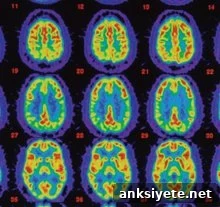
Image Source: The PET scan of an Alzheimer’s patient’s brain is credited to the NIH and is in the public domain.
Original Research: Full open access research for “Bace1 and Neuregulin-1 cooperate to control formation and maintenance of muscle spindles” by Cyril Cheret et al. in The EMBO Journal. Published online June 21, 2013; doi: 10.1038/emboj.2013.146