
Summary: A distinct subset of group 3 innate lymphoid cells triggers T cells to attack myelinated nerve fibers in mouse models of multiple sclerosis, suggesting a new target for treating neuroinflammatory disease.
Source: Weill Cornell University
Researchers at Weill Cornell Medicine and NewYork-Presbyterian have identified a previously unrecognized subset of innate immune cells that appears to promote inflammation in the brain, rather than suppress it. The discovery points to a potential new strategy for treating multiple sclerosis (MS) and other disorders driven by immune cell infiltration into the central nervous system (CNS).
The team examined group 3 innate lymphoid cells (ILC3s), a class of immune cells known for maintaining tolerance to beneficial microbes and limiting inflammation in the gut and other tissues. In work published Dec. 1 in Nature, they describe a distinct population of ILC3s that circulates in the blood, can enter the brain, and—contrary to the protective role of many tissue-resident ILC3s—promotes neuroinflammation.
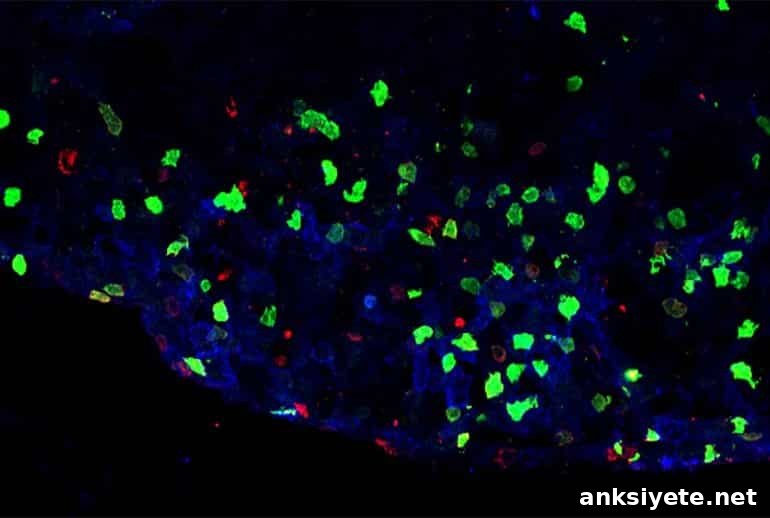
These cells, termed inflammatory ILC3s by the investigators, were found within the CNS of mice engineered to model MS. Rather than calming immune responses, the inflammatory ILC3s act as antigen-presenting cells: they display fragments of myelin protein to T cells, reactivating myelin-specific T cells and driving them to attack the insulating sheath around nerve fibers. This interaction led to demyelination and clinical signs resembling MS in the mice. Comparable inflammatory ILC3s were also observed in the blood and cerebrospinal fluid of people with MS.
“These findings expand our understanding of how T-cell–driven inflammation in the brain can be initiated and sustained,” said Dr. Gregory Sonnenberg, the study’s senior author and an associate professor of microbiology and immunology in medicine at Weill Cornell Medicine. “Targeting this population of ILC3s may open new therapeutic avenues for diseases marked by pathogenic T-cell activity in the CNS.”
MS affects over two million people worldwide; other disorders involving chronic brain inflammation—such as Alzheimer’s and Parkinson’s diseases—impact many more. Age-related increases in neuroinflammation are associated with cognitive decline, and recent evidence links inflammatory T-cell responses in the brain to neurological symptoms following SARS-CoV-2 infection.
Previous work from the group showed that tissue-resident ILC3s in the intestine act as sentinels that suppress inflammation and help induce T-cell tolerance. In the current study, the researchers specifically probed whether ILC3s play a role in the CNS. They found that under healthy conditions ILC3s are largely absent from the brain, but during inflammatory episodes circulating ILC3s can infiltrate the CNS environment. Once there, this inflammatory subset behaves differently from protective tissue-resident ILC3s and instead fuels inflammation.
Using the mouse MS model, the team provided evidence that inflammatory ILC3s are physically associated with activated T cells in regions of CNS inflammation and demyelination. Functionally, these ILC3s present myelin-derived antigens via MHC class II molecules to T cells, re-stimulating myelin-specific T cells and promoting disease development. Crucially, when the researchers genetically removed MHC class II from the ILC3s, the cells lost their ability to activate myelin-reactive T cells and the animals were protected from MS-like disease.
“Even with current disease-modifying therapies, many patients continue to worsen over time,” said Dr. Tim Vartanian, co-author and professor of neuroscience. “Identifying inflammatory ILC3s that present antigen in the CNS suggests a new point of intervention to prevent nervous system injury.”
The investigators also found that peripheral, tissue-resident ILC3s can be harnessed to counter CNS-directed T-cell responses. By experimentally exposing intestinal ILC3s—cells that normally promote tolerance—to myelin antigens, the team was able to induce tolerance and block neuroinflammatory T-cell activity, preventing MS-like disease in the mice. These results highlight two complementary therapeutic concepts: directly inhibiting inflammatory, antigen-presenting ILC3s that invade the brain, or targeting self-antigens to tolerance-promoting ILC3s in peripheral tissues to blunt harmful T-cell responses.
This study was conducted in collaboration with Dr. Ari Waisman of the Institute for Molecular Medicine at the University Medical Center of Johannes Gutenberg University Mainz. Prior work from that group helped characterize how gut-resident ILC3s present antigens in ways that promote T-cell inactivity and immune tolerance, an idea that the current team extended to myelin antigens in their experimental interventions.
Together, these findings define a role for a circulating, inflammatory ILC3 population in directly promoting T-cell–dependent neuroinflammation in the CNS, and they demonstrate the therapeutic potential of mobilizing or redirecting tolerogenic ILC3 responses in peripheral tissues to prevent autoimmune damage.
About this multiple sclerosis research news
Author: Press Office
Source: Weill Cornell University
Contact: Press Office – Weill Cornell University
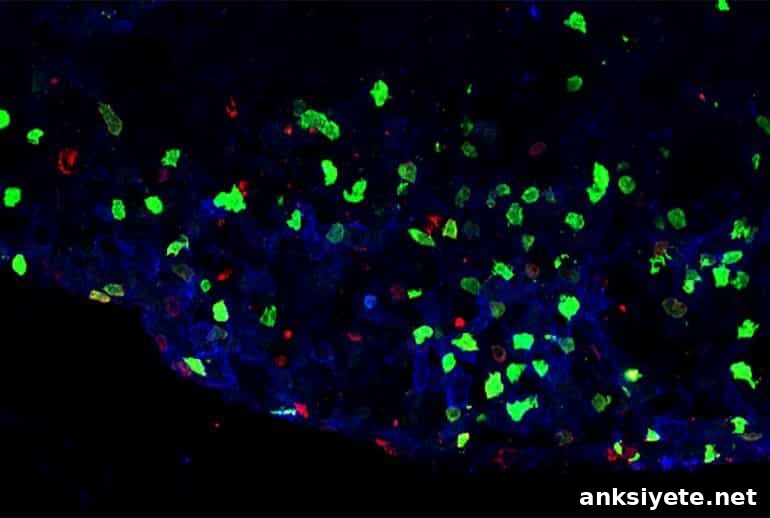
Image: The image is credited to Dr. Christopher N. Parkhurst.
Original Research: Closed access.
“Antigen-presenting innate lymphoid cells orchestrate neuroinflammation” by Gregory Sonnenberg et al. Nature
Abstract
Antigen-presenting innate lymphoid cells orchestrate neuroinflammation
Pro-inflammatory T cells within the central nervous system are strongly linked to demyelinating and neurodegenerative disorders, but the cellular pathways that sustain these responses are not fully understood. In this study, investigators identify a population of inflammatory group 3 innate lymphoid cells (ILC3s) that infiltrate the CNS in a mouse model of multiple sclerosis. These ILC3s derive from the circulation, localize near infiltrating T cells, function as antigen-presenting cells that re-stimulate myelin-specific T cells, and are enriched in individuals with MS. Antigen presentation by inflammatory ILC3s is required to sustain T-cell responses in the CNS and to drive MS-like disease in mice.
By contrast, conventional and tissue-resident ILC3s in the periphery do not appear to initiate disease; instead, they limit autoimmune T-cell activity and can prevent MS-like disease when experimentally directed to present myelin antigen. Collectively, the data define inflammatory ILC3s as a critical cell type that directly promotes T-cell–dependent neuroinflammation in the CNS and highlight the potential of leveraging peripheral, tissue-resident ILC3s to prevent autoimmune disease.