
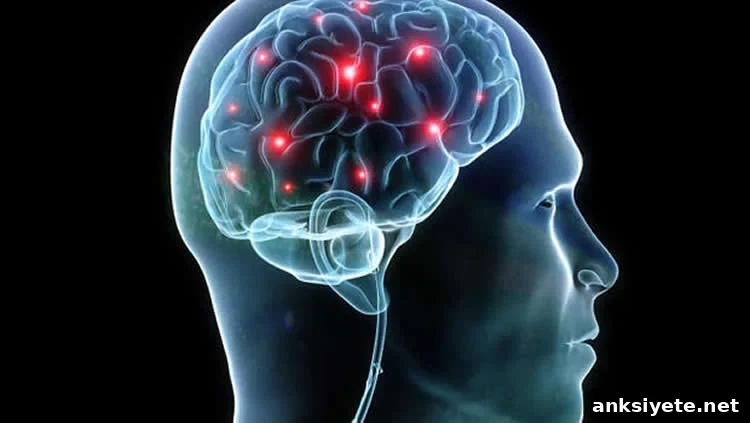
Summary: Researchers measured real-time changes in brain metabolism during transcranial direct current stimulation (tDCS).
Source: Elsevier.
Applying a very low level of electrical current across the scalp—just enough to produce a mild tingling—may influence brain activity. This method, known as transcranial direct current stimulation (tDCS), has generated growing interest because studies report it can alter mood, cognition, and emotion. Yet until now, direct evidence showing how tDCS affects brain chemistry during stimulation has been limited. A new study provides the first real-time measurements of metabolic changes in the human brain during tDCS, offering chemical evidence that tDCS can transiently activate cortical and subcortical regions relevant to learning and behavior.
The research, led by Shirley Fecteau at Université Laval in Quebec, Canada, used magnetic resonance spectroscopy (MRS) to monitor neurochemical changes while tDCS was being applied. The investigators found that tDCS produced rapid increases in levels of glutamate plus glutamine (often reported together as Glx) and in N-acetylaspartate (NAA). Glutamate is the brain’s principal excitatory neurotransmitter and plays a central role in synaptic transmission and plasticity. NAA is widely considered a marker of neuronal health and integrity. Both metabolites are closely linked to processes that support learning and adaptive changes in the brain.
“These results provide direct chemical evidence suggesting that tDCS can activate the human cerebral cortex,” commented John Krystal, Editor of Biological Psychiatry. “Such neurochemical changes are the sort of mechanisms that could underlie behavioral or therapeutic effects reported in other studies.”
Study design and methods: The team delivered a single session of anodal tDCS to the left dorsolateral prefrontal cortex (DLPFC) in healthy volunteers. Fifteen participants received 30 minutes of active stimulation at a mild intensity of 1 mA—an intensity commonly used in research and clinical investigations—while a control group received sham (placebo) stimulation. During the stimulation period, researchers acquired MRS scans from the stimulated prefrontal region and from the left striatum, a key subcortical structure involved in reward processing and learning.
Key findings: In subjects who received active tDCS, MRS measurements showed a significant increase in prefrontal N-acetylaspartate within the first 15 minutes of stimulation and a rise in striatal glutamate plus glutamine by 30 minutes. Importantly, both measures returned to baseline immediately after the stimulation session ended. The pattern indicates a rapid, short-lived excitatory effect of tDCS at the stimulation site and in downstream striatal circuitry rather than a long-lasting neurochemical shift from a single session.
Research lead Shirley Fecteau emphasized the preliminary nature of the findings: larger studies are needed to replicate the effect and to determine how stimulation parameters, session frequency, and individual differences influence outcomes. She also cautioned that the long-term effects of repeated or prolonged stimulation remain unknown and could be beneficial or harmful depending on context and dosing. Understanding these dynamics is essential if tDCS is to be used safely and effectively in healthy individuals or in clinical populations.
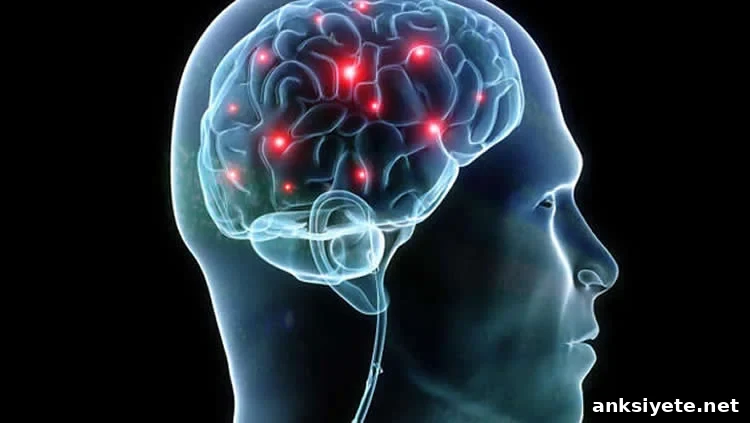
Implications for research and practice: These observations contribute a crucial piece of evidence to debates about the mechanisms of tDCS. By demonstrating transient increases in excitatory metabolites during stimulation, the study helps explain how tDCS might produce immediate changes in cortical excitability and short-term behavioral effects. However, because the neurochemical changes were rapid and reversible after a single session, the findings also suggest that repeated sessions or different montages may be required to achieve durable clinical benefits. Future research should address dose-response relationships, the effects of cumulative sessions, and whether particular patient groups respond differently.
Source: Elsevier
Image credit: Allan Ajifo (illustrative).
Original research: Abstract titled “Online Effects of Transcranial Direct Current Stimulation in Real Time on Human Prefrontal and Striatal Metabolites” by Antoine Hone-Blanchet, Richard A. Edden, and Shirley Fecteau. Published online September 15, 2016. doi:10.1016/j.biopsych.2015.11.008
Abstract
Online Effects of Transcranial Direct Current Stimulation in Real Time on Human Prefrontal and Striatal Metabolites
Background
Transcranial direct current stimulation (tDCS) has been reported to modulate behavior and neural function, but direct measurements of neurochemical effects during stimulation are scarce. Most studies compare measures taken before and after tDCS rather than during it. This study aimed to capture the immediate neurobiological effects produced by a single tDCS session.
Methods
The investigators combined tDCS with magnetic resonance spectroscopy in a within-subject protocol including active and sham conditions. Anodal stimulation was applied over the left dorsolateral prefrontal cortex (DLPFC) and cathodal stimulation over the right DLPFC for 30 minutes. MRS measurements were collected in the left DLPFC and left striatum during stimulation and an additional DLPFC measurement was taken immediately after the session.
Results
Active tDCS, compared with sham, increased prefrontal N-acetylaspartate and striatal glutamate plus glutamine during stimulation. There were no significant changes in gamma-aminobutyric acid (GABA) levels in either region during stimulation. Immediately after stimulation, no significant differences between active and sham were observed for these metabolites in the left DLPFC.
Conclusions
These findings indicate that tDCS over the DLPFC produces rapid, short-lived excitatory effects on prefrontal and striatal neurochemical transmission. Repeated sessions may be necessary to elicit longer-lasting neurochemical changes that could underlie behavioral and clinical improvements.