
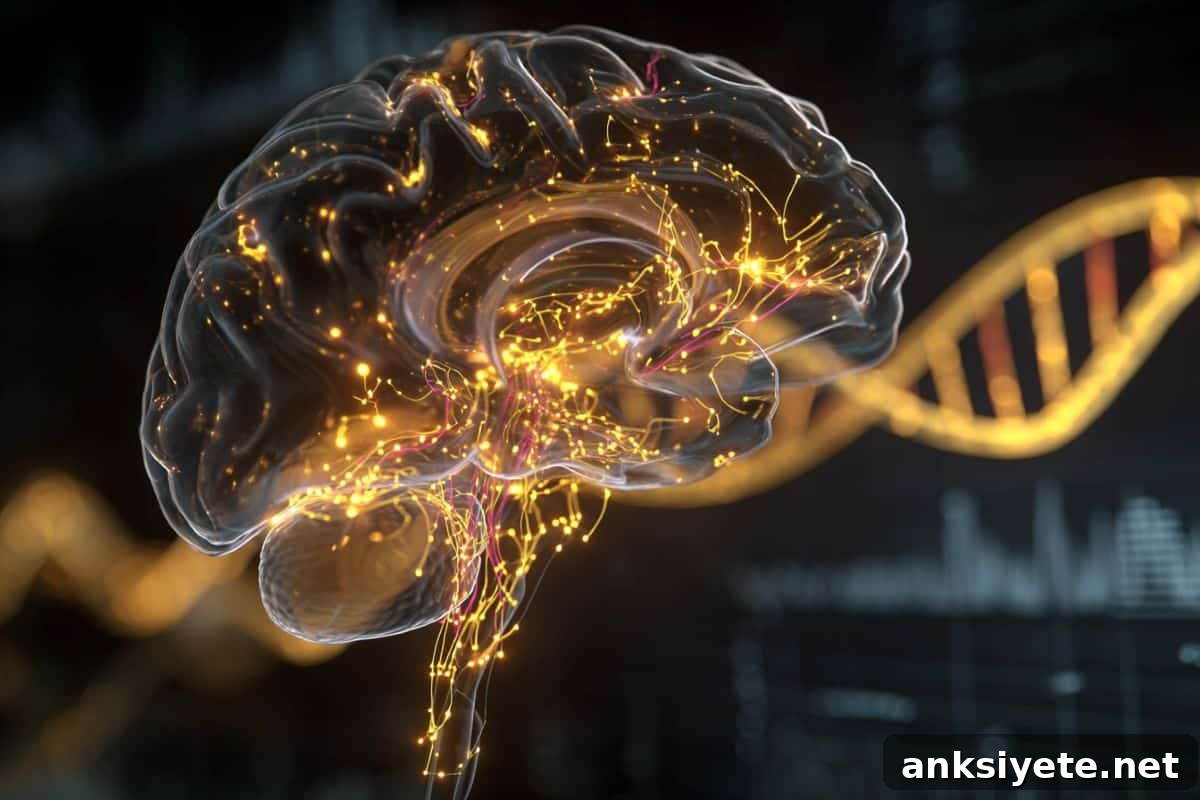
Summary: For the first time, researchers have identified a coordinated gene expression program that operates during active neurotransmission in the living human brain. Previous work mainly relied on postmortem tissue, offering only static snapshots; this study combines real-time intracranial recordings from over 100 neurosurgical patients with molecular profiling to reveal which genes are engaged during ongoing neural signaling.
The results point to a reproducible set of genes whose activity aligns with electrical and chemical signaling, providing a new molecular framework for understanding cognition, emotion, and disorders that disrupt neurotransmission.
Key Facts
- Beyond postmortem studies: The research captures gene expression in living human brains, overcoming the limitations of studies that depend on tissue collected after death.
- A transcriptional program for signaling: Investigators identified a consistent set of genes whose expression correlates directly with neuronal signaling and synaptic function.
- Neurosurgical integration: Data were gathered during neurosurgical procedures, pairing direct intracranial electrophysiological recordings with transcriptomic profiling from the same prefrontal cortical tissue.
- Clinical relevance: Because neurotransmission is altered in conditions such as depression, schizophrenia, and epilepsy, pinpointing the genes active during signaling offers potential targets for precision therapies and neuromodulation strategies.
- Reproducible architecture: The transcriptional program was validated across independent patient groups, supporting its role as a fundamental feature of human brain biology.
Source: Mount Sinai Hospital
Researchers identified a clear and reproducible gene expression program tied to neurotransmission in the living human brain, offering new molecular insight into how genes support active electrical and chemical communication between neurons.
The study was published on February 19 in Molecular Psychiatry.
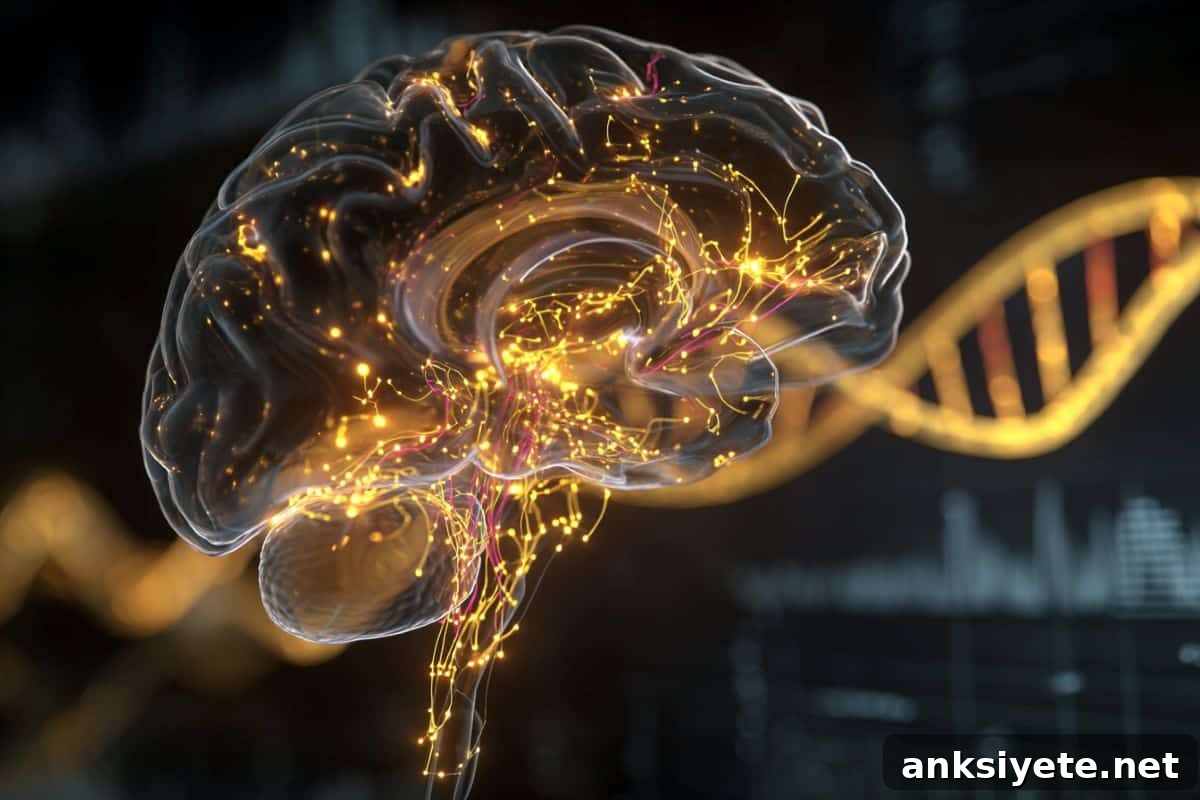
Neurotransmission—the rapid electrical and chemical exchanges between neurons—underpins all brain function. Most previous human gene expression studies have used postmortem samples, which cannot reveal which genes are active during real-time neuronal communication. By contrast, this investigation links molecular profiling with live intracranial recordings to identify genes that change their activity in step with neural signaling.
The team profiled gene expression from prefrontal cortex tissue and simultaneously recorded intracranial measures of neurotransmission from more than 100 patients undergoing neurosurgery. Combining these datasets enabled the discovery of a coordinated transcriptional program whose activity tracked with electrophysiological markers of neuronal signaling.
Alexander Charney, MD, PhD, Professor of Psychiatry, Neuroscience, and Genetics and Genomic Sciences at the Icahn School of Medicine at Mount Sinai, described the work as a significant advance in studying living brain biology.
“For decades, our picture of gene expression in the human brain came from postmortem samples,” Dr. Charney said. “This approach lets us observe the molecular architecture of neurotransmission as it happens in living individuals, moving us closer to linking specific genes with real-time brain function.”
The transcriptional program the researchers identified was reproducible across independent cohorts and corresponded with known pathways involved in excitatory signaling and synaptic function. These results create a molecular map for how gene activity supports active neural communication.
Brian Kopell, MD, Director of the Center for Neuromodulation and Co-Director of The Mount Sinai Hospital’s Movement Disorders Program, highlighted the importance of merging electrophysiology with molecular science.
“Pairing intracranial recordings with molecular profiling bridges two areas that have typically been studied separately,” Dr. Kopell said. “This combined view clarifies how neural circuits function at both electrical and genetic levels, carrying important implications for neuromodulation and precision treatments.”
Because disrupted neurotransmission is central to many psychiatric and neurological conditions—including depression, schizophrenia, epilepsy, and neurodegenerative disorders—identifying genes linked to active signaling could sharpen diagnostics and open pathways for targeted interventions.
Ignacio Saez, PhD, Associate Professor of Neuroscience, Neurosurgery, and Neurology at the Icahn School of Medicine at Mount Sinai, noted that the study also improves interpretation of complex genomic datasets.
“The strength of this study is its integration of large-scale transcriptomic data with direct measures of brain activity,” Dr. Saez said. “A coordinated transcriptional program for neurotransmission offers a new framework to understand how genetic variation may affect brain function and disease risk.”
Key Questions Answered:
A: Studying postmortem tissue is like looking at a parked car; it shows structure but not the active process. Neurotransmission is dynamic and rapid. Recording from living brains allows researchers to see which genes are actively engaged during the split-second signaling that underlies thought and emotion.
A: The DNA sequence does not change during normal thinking, but gene expression—the set of genes being transcribed—does vary. This study shows a coordinated program of gene activity that synchronizes with brain waves and neural signaling when people are engaged in cognitive processes.
A: Current psychiatric medications often target neurotransmitters and may not work for everyone. By identifying the genes that manage the cellular “machinery” of signaling, researchers can explore more precise interventions—such as targeted neuromodulation or treatments aimed at the molecular pathways that sustain healthy neurotransmission.
Editorial Notes:
- This article was edited by a Neuroscience News editor.
- The original journal paper was reviewed in full.
- Additional context was provided by editorial staff.
About this genetics and neuroscience research news
Author: Elizabeth Dowling
Source: Mount Sinai Hospital
Contact: Elizabeth Dowling – Mount Sinai Hospital
Image: Image credited to Neuroscience News
Original Research: Open access. “Major depressive disorder shares systemic immune signatures and potential therapeutic targets with inflammatory skin diseases” by Helen He, Flurin Cathomas, Lyonna F. Parise, Eden David, Mina Rizk, Kelly Hawkins, Elizabeth Karpman, Scott J. Russo, Emma Guttman & James W. Murrough. Molecular Psychiatry. DOI: 10.1038/s41380-025-03383-5
Abstract
Major depressive disorder shares systemic immune signatures and potential therapeutic targets with inflammatory skin diseases
Major depressive disorder (MDD) is a common psychiatric condition linked to substantial morbidity and mortality. Growing evidence indicates that a subset of people with MDD show immune dysregulation. Yet relatively few clinical trials have tested whether anti-inflammatory therapies can reduce depressive symptoms, while targeted immunomodulatory drugs have transformed treatment for inflammatory skin diseases such as atopic dermatitis and psoriasis.
To evaluate whether an immune-targeted strategy might apply to MDD, researchers compared blood proteomic profiles from patients with MDD, patients with atopic dermatitis or psoriasis, and healthy control participants. The analysis revealed overlapping proteomic signatures: MDD patients exhibited Th2-skewed immune markers and dysregulation of immune and neurovascular proteins also observed in atopic dermatitis.
Using a computational drug-repurposing approach, the team tested whether biologic therapies used in dermatology could reverse the dysregulated proteomic pattern seen in MDD. This analysis nominated dupilumab, an inhibitor of the IL-4 receptor α subunit that dampens Th2 signaling, as a candidate that could counter several inflammatory proteins implicated in the MDD signature.
Finally, in a mouse model of chronic social defeat stress, pharmacological inhibition of IL-4Rα prevented stress-induced social avoidance behavior, supporting a potential mechanistic link between Th2 signaling and stress-related behavioral changes.
These findings highlight the possible role of Th2-mediated immune pathways in a subset of MDD cases and suggest that selectively targeting Th2 biology may offer a disease-modifying treatment approach. The study also demonstrates how back-translational, computational drug-repurposing strategies can help identify immunomodulatory candidates for psychiatric disorders.