
Summary: Researchers at Yale successfully restored blood circulation and key cellular activity in a pig brain four hours after death. The findings challenge long-standing assumptions about how quickly brain cells irreversibly deteriorate after circulation stops and open new possibilities for studying large mammalian brains.
Source: Yale
Yale scientists report that circulation and basic cellular functions were restored in a pig brain four hours after death, challenging conventional views about the timing and irreversibility of postmortem brain decline.
Researchers obtained a pig brain from a meatpacking facility and connected its vasculature to a specially formulated chemical solution. Using this extracorporeal perfusion system, they observed restoration of multiple cellular processes that had long been believed to stop within seconds to minutes after blood flow and oxygen were lost.
“The intact brain of a large mammal retains a previously underappreciated capacity for restoring circulation and certain molecular and cellular activities hours after circulatory arrest,” said Nenad Sestan, senior author and professor of neuroscience, comparative medicine, genetics, and psychiatry at Yale.
Importantly, the team emphasized that despite returning many cellular functions, the treated brains did not show organized electrical patterns associated with perception, awareness, or consciousness.
“At no point did we observe the kind of organized electrical activity associated with perception, awareness, or consciousness,” said Zvonimir Vrselja, co-first author and associate research scientist in neuroscience. “Clinically, this is not a living brain, but it is a cellularly active brain.”
Conventional thinking holds that brain cells succumb rapidly when deprived of oxygen and blood: electrical activity and any signs of awareness fade within seconds, energy reserves are depleted within minutes, and molecular cascades trigger widespread, irreversible degeneration. However, investigators in Sestan’s lab had noticed that small postmortem tissue samples sometimes exhibited cellular viability even hours after death. To test whether this resilience extended across the intact large brain, they developed a system called BrainEx and applied it to whole pig brains four hours after death.
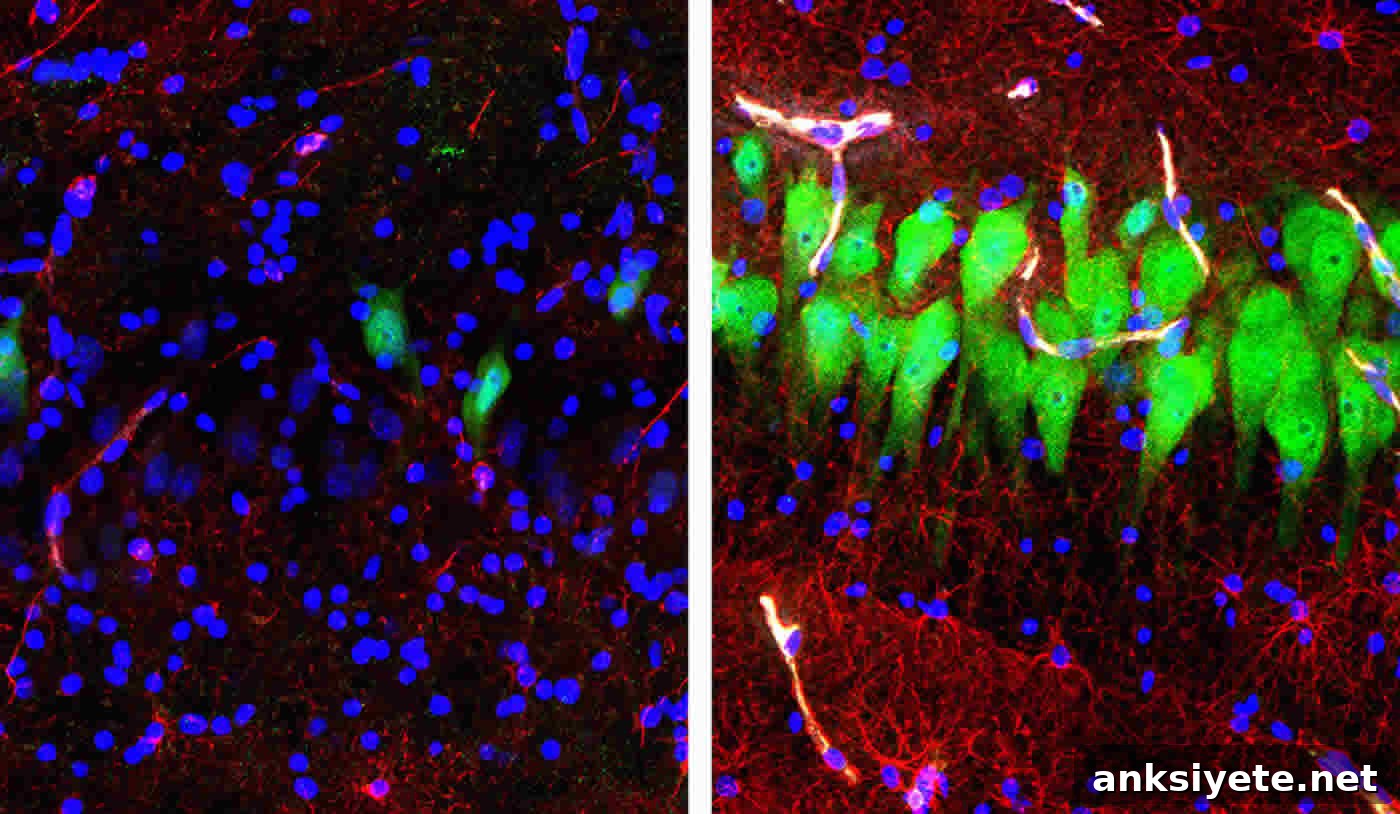
BrainEx combines an extracorporeal, pulsatile-perfusion apparatus with a hemoglobin-based, acellular, non-coagulative, echogenic, cytoprotective perfusate formulated to limit reperfusion injury, prevent edema, and support metabolic needs. When circulated through the isolated pig brain, this solution preserved cytoarchitecture, reduced cell death, and restored certain functions of neurons, glia, and vascular cells.
Among the restored functions were microcirculation, vascular responsiveness, glial inflammatory reactions, spontaneous synaptic activity at the local level, and active cerebral metabolism. Despite these recoveries, the experiments did not produce global electrocorticographic activity—the coordinated electrical patterns that indicate whole-brain function and consciousness.
“Previously, studies of large mammalian brain cells were restricted to small tissue samples kept under static or largely two-dimensional conditions,” said co-first author Stefano G. Daniele, an M.D./Ph.D. candidate. “For the first time, we can examine the intact large brain in three dimensions, which improves our ability to study complex cellular interactions, connectivity, and the cellular basis of brain disorders.”
The BrainEx platform fills a major methodological gap by enabling studies of intact large-brain structure and function that were previously impossible. This capability could accelerate progress in understanding neurological disease mechanisms, mapping neuronal connectivity in healthy and diseased states, and testing treatments aimed at cellular recovery after injury.
Although the findings are scientifically significant, the researchers stress there is no immediate clinical application. The perfusate lacks many components present in whole blood—such as immune cells and other blood elements—so the experimental environment differs substantially from normal living conditions. The team also noted that it remains unclear whether similar restoration could be achieved in recently deceased human brains.
Ethical safeguards were central to the project’s design. Yale’s interdisciplinary bioethics team preplanned interventions—including anesthetics and temperature modulation—to halt any emergent organized global electrical activity. “Restoration of consciousness was never a goal,” said Stephen Latham, director of Yale’s Interdisciplinary Center for Bioethics. The investigators agreed that any experiments producing revived global activity would require strict ethical review and institutional oversight.
The research was primarily funded by the National Institutes of Health (NIH) BRAIN Initiative, and NIH bioethics leaders highlighted the importance of pairing technical advances with proactive ethical guidance. “There is an ethical imperative to use tools developed by the BRAIN Initiative to advance understanding and treatment of brain disorders,” said Andrea Beckel-Mitchener of the NIH’s National Institute of Mental Health. Christine Grady, chief of the Department of Bioethics at the NIH Clinical Center, added that investigators and ethicists must work together to anticipate and navigate new ethical challenges as brain science advances.
Potential future applications of this research include improved experimental platforms to screen neuroprotective therapies, better models to study stroke and traumatic brain injury, and enhanced ability to probe mechanisms that determine why some cells survive postmortem while others do not. The team cautioned that translating these findings into treatments for humans would require substantial additional research and careful ethical review.
Source:
Yale
Media Contacts:
Bill Hathaway – Yale
Image Source:
Stefano G. Daniele & Zvonimir Vrselja; Sestan Laboratory; Yale School of Medicine.
Original Research:
“Restoration of brain circulation and cellular functions hours post-mortem” — Zvonimir Vrselja, Stefano G. Daniele, John Silbereis, Francesca Talpo, Yury M. Morozov, André M. M. Sousa, Brian S. Tanaka, Mario Skarica, Mihovil Pletikos, Navjot Kaur, Zhen W. Zhuang, Zhao Liu, Rafeed Alkawadri, Albert J. Sinusas, Stephen R. Latham, Stephen G. Waxman & Nenad Sestan. Published in Nature. DOI: 10.1038/s41586-019-1099-1
Abstract (summary):
The study describes restoration and maintenance of microcirculation along with molecular and cellular functions in intact pig brains under ex vivo, normothermic conditions when perfusion was initiated up to four hours after death. The researchers developed an extracorporeal pulsatile-perfusion system and a protective, acellular perfusate that supports metabolic needs, mitigates reperfusion injury, and preserves tissue structure. Using this approach they observed preserved cytoarchitecture, reduced cell death, and restored local vascular, glial, synaptic, and metabolic activity, while global electrocorticographic signals remained absent. These results indicate that, under controlled conditions, the large mammalian brain retains a greater potential for postmortem restoration of microcirculation and cellular activity than previously appreciated.