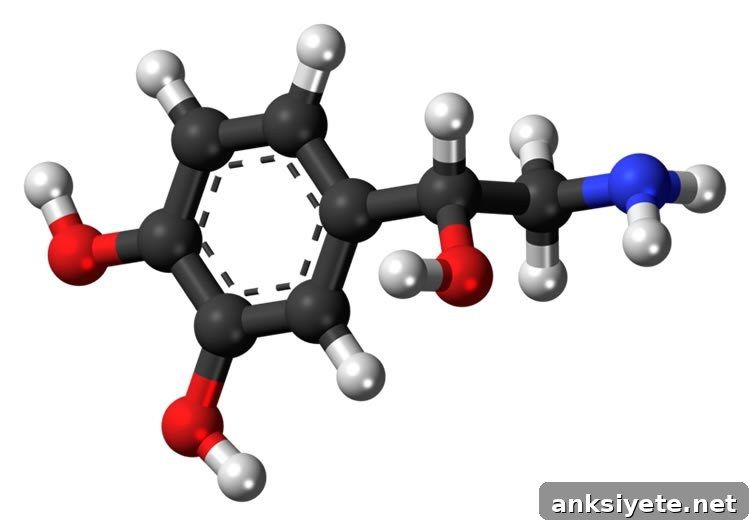
New research published in The FASEB Journal indicates that blocking the TRPV1 protein increases noradrenaline release and raises core body temperature.
Researchers have identified a previously unrecognized role for the TRPV1 protein in controlling the body’s “fight or flight” response and core temperature. In experiments with mice, scientists found that TRPV1 influences the nerves that release noradrenaline, a key sympathetic neurotransmitter, and that disrupting TRPV1 activity leads to measurable increases in core body temperature. These findings point to new possibilities for treating disorders in which stress-driven sympathetic activity and temperature regulation are abnormal.
“Our results offer clearer insight into how the body regulates temperature, which is important for improving temperature control during anesthesia, drug overdose, and diseases where core temperature becomes pathologically altered,” said Julie Keeble, Ph.D., of the Institute of Pharmaceutical Science at King’s College London, one of the study’s lead investigators.
The team compared normal mice with mice genetically engineered to lack TRPV1. When normal mice received a TRPV1-blocking drug, their core temperatures rose and noradrenaline levels increased in thermogenic tissues. The same TRPV1 blocker had no effect in mice lacking the protein, indicating that the drug’s thermogenic effect depends on TRPV1. Pre-treatment of normal mice with drugs that block noradrenaline receptors substantially reduced the rise in body temperature caused by TRPV1 inhibition, supporting a direct link between TRPV1 activity, noradrenaline release, and temperature control.
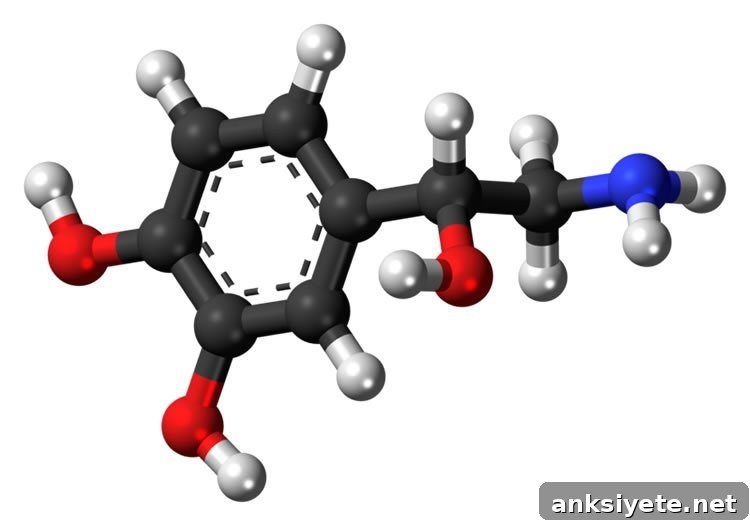
Interestingly, mice without TRPV1 maintained normal basal body temperature under baseline conditions, suggesting developmental compensation over time. However, their sympathetic response to stressors was diminished. For example, the powerful sympathomimetic amphetamine produced a smaller temperature increase in TRPV1-deficient mice compared with wild-type animals, indicating a reduced sympathetic drive in the knockout animals.
Gerald Weissmann, M.D., Editor-in-Chief of The FASEB Journal, commented: “TRPV1 has long been recognized for its role in pain signaling. This work reveals that TRPV1 is also critical for neural control of body temperature in response to stress hormones such as adrenaline, offering molecular insight into the switch that helps mobilize the body’s response to threat.”
Source: Cody Mooneyhan, reporting on results provided by the research team at FASEB.
Image credit: Public domain image used for illustration.
Original research: The study, titled “The sympathetic nervous system is controlled by transient receptor potential vanilloid 1 in the regulation of body temperature,” was authored by Khadija M. Alawi, Aisah A. Aubdool, Lihuan Liang, Elena Wilde, Abhinav Vepa, Maria-Paraskevi Psefteli, Susan D. Brain, and Julie E. Keeble, and appeared in The FASEB Journal (published online July 1, 2015). The research examines TRPV1’s influence on sympathetic nervous system activity and thermoregulation.
Abstract (summary)
Transient receptor potential vanilloid 1 (TRPV1) is a sensory ion channel known for its role in nociception and pain signaling. Recent evidence has implicated TRPV1 in the control of basal body temperature across species. This study tested whether TRPV1 modulates basal sympathetic nervous system (SNS) activity and thermoregulation. Using radiotelemetry to record core temperature, investigators compared C57BL/6J wild-type mice with TRPV1 knockout mice. Administration of the TRPV1 antagonist AMG9810 produced significant hyperthermia in wild-type mice and increased noradrenaline concentrations in brown adipose tissue. Blocking adrenergic receptors—using propranolol (β-blocker), labetalol (mixed α/β blocker), or prazosin (α1 blocker)—substantially reduced the hyperthermic response, indicating that the effect of TRPV1 blockade is mediated by adrenergic signaling. TRPV1-deficient mice showed normal baseline core temperatures, likely due to compensatory mechanisms during development, but displayed reduced sympathetic responses to the sympathomimetic d-amphetamine. These findings support a role for TRPV1 upstream of the sympathetic nervous system in thermoregulatory control and identify TRPV1 as a potential therapeutic target for conditions involving sympathetic hyperactivity and temperature dysregulation.
The study’s conclusions emphasize TRPV1’s dual relevance to both nociception and autonomic regulation, linking sensory ion channel function to systemic sympathetic responses and temperature homeostasis.