
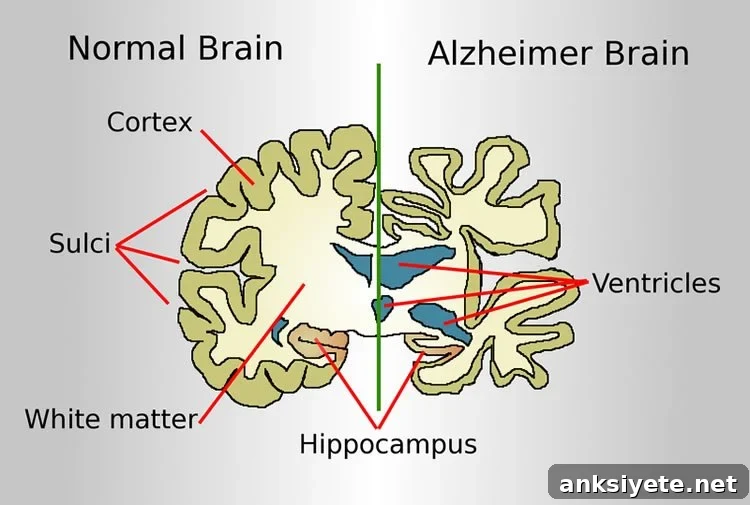
Postmortem brain studies show nerve growth factor safely stimulated functional neuronal growth in Alzheimer’s disease
Researchers at the University of California, San Diego School of Medicine report that degenerating neurons in patients with Alzheimer’s disease (AD) responded to an experimental gene therapy in which nerve growth factor (NGF) was delivered directly into the brain. The findings, published in JAMA Neurology, are derived from detailed postmortem analyses of 10 participants from early-phase clinical trials.
Lead author Mark H. Tuszynski, MD, PhD, a professor in the Department of Neurosciences and director of the UC San Diego Translational Neuroscience Institute, describes clear evidence of biological activity at the cellular level. Treated neurons showed increased growth, axonal sprouting directed toward the NGF source, cellular hypertrophy and activation of signaling and functional markers — all signs that degenerating cells can still mount a growth response when exposed to an appropriate factor.
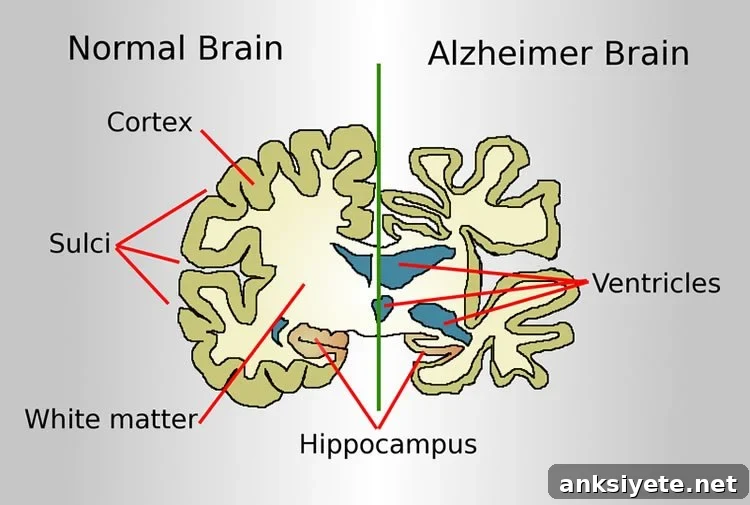
The gene therapy program began in 2001 as the first effort to deliver a therapeutic gene directly into the adult human brain to treat a neurodegenerative disorder. Two practical challenges motivated direct brain delivery: NGF is a large protein that does not cross the blood-brain barrier when administered systemically, and circulating NGF can cause systemic side effects such as pain and weight loss. Localized delivery allowed investigators to expose targeted, degenerating neurons to NGF while avoiding wider systemic exposure.
These postmortem results encompass participants enrolled from March 2001 to October 2012 at UC San Diego Medical Center, with survival times after treatment ranging from one to ten years. The analyses included patients treated with both ex vivo and in vivo gene transfer approaches. In three patients who received unilateral treatment, comparisons between treated and untreated hemispheres revealed significant cholinergic neuronal hypertrophy on the NGF-treated side. Additional measures showed activation of NGF-related signaling pathways and expression of functional markers in treated regions.
Importantly, investigators observed that cells showing tau pathology — a hallmark of Alzheimer’s disease — as well as neurons without tau pathology could be infected with the therapeutic vector and exhibited NGF expression and downstream responses. No adverse pathological effects attributable to NGF treatment were identified in these postmortem examinations, supporting a favorable safety profile over extended periods.
The authors conclude that degenerating neurons in the human brain retain the capacity to respond to growth factor therapy, exhibiting persistent axonal sprouting, cell hypertrophy, and activation of functional markers for up to a decade after treatment. These findings support continued investigation of growth factor–based strategies as potential disease-modifying approaches for neurodegenerative disorders such as Alzheimer’s disease, where effective treatments remain lacking.
Co-authors on the study include Jennifer H. Yang, Mary M. Pay, Eliezer Masliah, David Barba, Hoi-Sang U, James M. Conner, Peter Kobalka, Subhojit Roy, and Alan H. Nagahara (all at UC San Diego), and Roy A. E. Bakay (Rush University Medical Center).
Funding: This research was supported in part by the National Institutes of Health (grants AG10435 and AGO43416), the Veterans Health Administration, the Alzheimer’s Association, the Donald and Darlene Shiley Family Trusts, and Ceregene, Inc.
Disclosure: Mark Tuszynski is the scientific founder of Ceregene, Inc., but reports no current financial interest in the company.
Abstract
Nerve Growth Factor Gene Therapy: Activation of Neuronal Responses in Alzheimer Disease
Importance: Alzheimer disease is the most common neurodegenerative disorder and currently lacks effective disease-modifying therapies. Beginning in 2001, UC San Diego investigators initiated clinical trials of NGF gene therapy in patients with early AD to evaluate whether a nervous system growth factor could prevent or reduce degeneration of cholinergic neurons.
Objective: To determine whether degenerating neurons in Alzheimer disease can respond to a growth factor delivered after disease onset.
Design, Setting, and Participants: This anatomicopathological study examined the brains of 10 patients enrolled in clinical trials at the University of California, San Diego Medical Center from March 2001 to October 2012. Patients underwent NGF gene therapy using either ex vivo or in vivo gene transfer methods.
Main Outcomes and Measures: Postmortem brains were immunolabeled to evaluate in vivo gene expression, cholinergic neuronal responses to NGF, and activation of NGF-related cell signaling. NGF protein levels were measured by enzyme-linked immunosorbent assay in two patients.
Results: Degenerating neurons in all 10 patients responded to NGF. Axonal sprouting toward the NGF source was observed in every case. In unilateral gene transfer cases, treated hemispheres showed significant cholinergic neuronal hypertrophy compared with untreated sides. Activation of cellular signaling and functional markers was demonstrated in patients who received adeno-associated viral vector–mediated NGF gene transfer. Neurons with and without tau pathology expressed NGF, indicating that degenerating cells can be transduced and activated by therapeutic genes. No NGF-related adverse pathology was detected.
Conclusions and Relevance: Neurons in the degenerating human brain retain the ability to respond to growth factors with axonal sprouting, hypertrophy, and functional activation. NGF-induced sprouting can persist for up to 10 years after gene transfer. Growth factor therapy appears safe over extended periods and warrants further clinical testing as a potential approach to treat neurodegenerative disorders.
Source: Scott LaFee, UCSD. Original research: “Nerve Growth Factor Gene Therapy: Activation of Neuronal Responses in Alzheimer Disease” by Mark H. Tuszynski et al., JAMA Neurology. Published online August 24, 2015. doi:10.1001/jamaneurol.2015.1807