
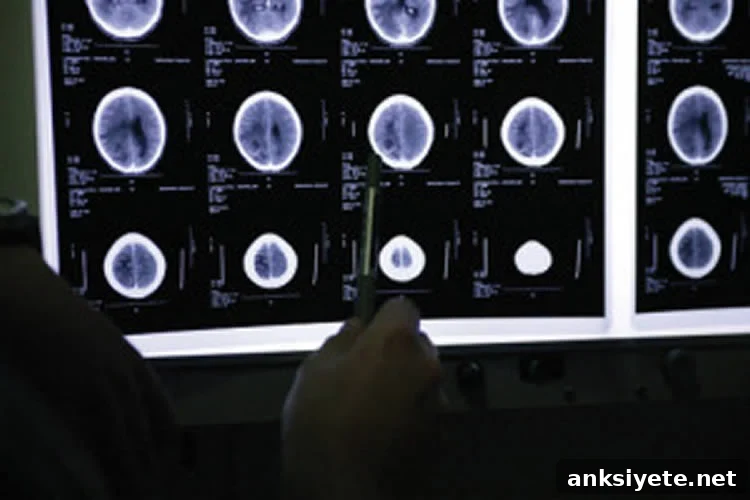
Scientists at the University of Manchester have applied a novel comparative approach to identify a gene linked to neurodegenerative conditions such as Alzheimer’s disease.
Researchers led by David Ashbrook, working with collaborators in the UK and the USA, compared large-scale brain imaging and genetic datasets from humans and mice to pinpoint a gene that influences hippocampal size. The team identified MGST3 as a gene that regulates hippocampus volume in both species. Because hippocampal atrophy is a hallmark of several neurodegenerative disorders, this discovery adds a valuable piece to the puzzle of who may be most at risk of developing conditions like Alzheimer’s.
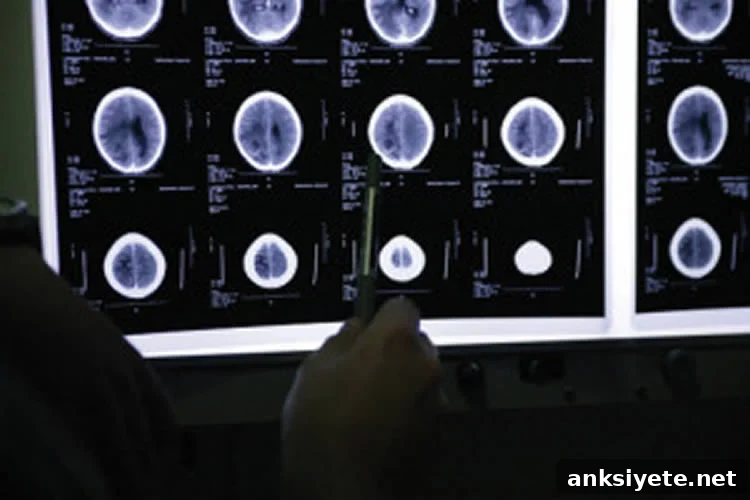
Ashbrook, who is based in Dr Reinmar Hager’s laboratory within the Faculty of Life Sciences, explains the rationale and potential impact: “There is a ‘reserve hypothesis’ that individuals with larger hippocampi may tolerate more tissue loss before cognitive symptoms of Alzheimer’s become apparent. By analysing hippocampal size in human subjects through the ENIGMA Consortium and matching the associated genetic signals to mouse data from the BXD system in the Mouse Brain Library, we were able to detect MGST3 as a gene that influences hippocampal dimensions and is linked to neurodegenerative disease risk.”
Dr Hager, the senior author on the study, highlights that the team did more than find a single gene. “Importantly, we mapped the genetic networks through which this gene appears to act,” he says. “Understanding those networks gives researchers a clearer picture of biological pathways involved in neurodegeneration, which can inform future studies aimed at prevention, early detection and therapeutic development.”
The work relied on two of the largest publicly available neuroscience resources. The ENIGMA Consortium aggregates brain imaging and genetic data from nearly 25,000 human subjects, enabling population-level analysis of structural brain traits such as hippocampus volume. The Mouse Brain Library, developed from decades of work and containing anatomical and numerical data on more than 10,000 mouse brains (derived from over 20,000 mice), offers high-resolution genetic and phenotypic detail under tightly controlled conditions. By integrating these complementary databases, the researchers leveraged statistical power from human samples and the experimental precision of mouse models.
Ashbrook emphasizes the advantage of the cross-species, big-data approach: “Genetic effects can be easier to detect in mice because their environments and genetics can be controlled more tightly. By identifying candidate variants in mice and then looking for the same influences in human data, we can accelerate discovery and validation of genes relevant to brain structure and disease.”
Beyond identifying MGST3, the study suggests a broader methodology for neurogenetics: mining existing large datasets collaboratively and cross-referencing results between species to uncover robust genetic influences. “We live in a big data era,” Ashbrook says. “Initiatives such as the Human Genome Project and subsequent genomic technologies have produced vast amounts of shared information. Thoughtful integration of those resources allows researchers to extract new insights without starting from scratch, advancing our understanding and opening new avenues for diagnosis and treatment.”
The findings were published in BMC Genomics in a study titled “Joint genetic analysis of hippocampal size in mouse and human identifies a novel gene linked to neurodegenerative disease.” The work lists David G. Ashbrook, Robert W. Williams, Lu Lu, Jason L. Stein, Derrek P. Hibar, Thomas E. Nichols, Sarah E. Medland, Paul M. Thompson and Reinmar Hager as authors, and is available as an open-access article in the journal.
Contact: Morwenna Grills – University of Manchester
Source: University of Manchester press release
Image Source: University of Manchester (image adapted from the press release)
Original Research: Full open-access research published in BMC Genomics: “Joint genetic analysis of hippocampal size in mouse and human identifies a novel gene linked to neurodegenerative disease” by David G. Ashbrook et al. Published online October 3, 2014. DOI: 10.1186/1471-2164-15-850.