
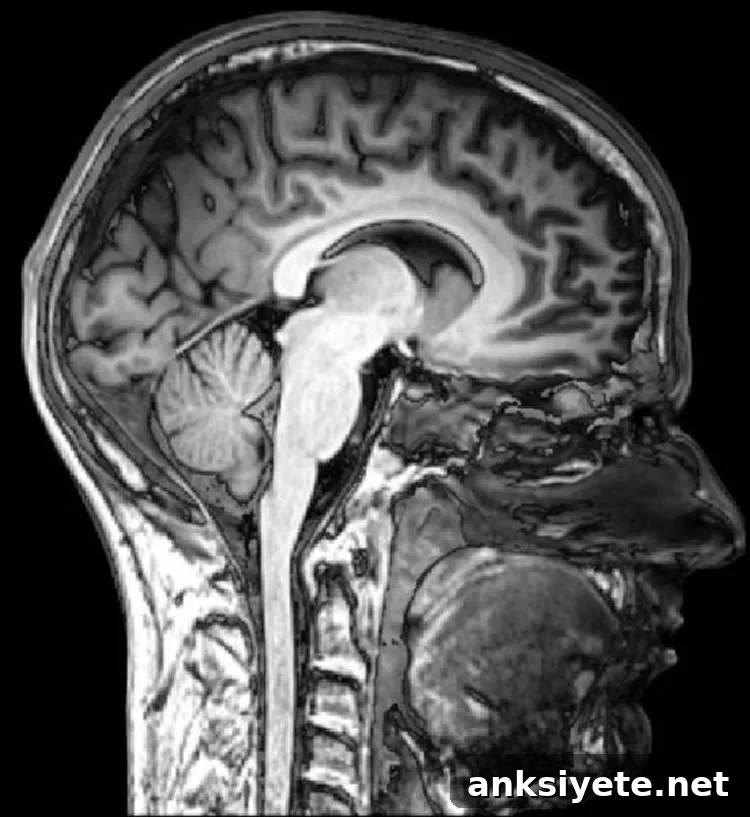
Findings point to potential biomarkers for early detection of at-risk youth.
Researchers at the University of California, San Diego School of Medicine report reduced neuronal activity in brain regions responsible for anticipatory processing among occasional stimulant users aged 18 to 24. The study focused on young people who had used stimulants such as cocaine, amphetamines or prescription medications like Adderall on an occasional basis.
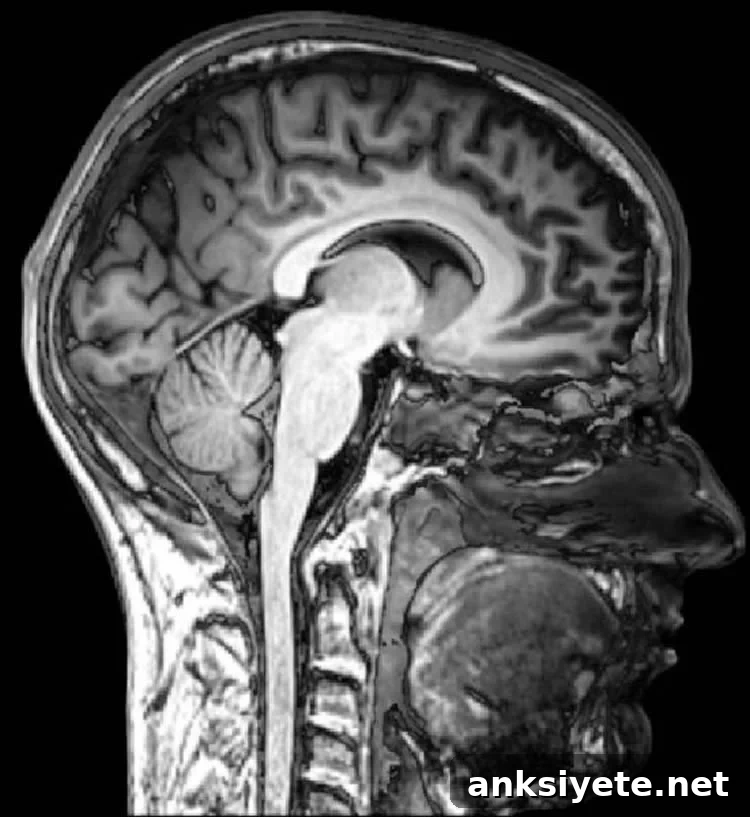
The observed differences in brain function were identified with functional magnetic resonance imaging (fMRI). Investigators interpret these patterns as potentially reflecting an intrinsic neural profile—an internal wiring—that may predispose some individuals to future substance use problems. This suggests that specific brain activity signatures could serve as early biomarkers to identify youth at greater risk of developing stimulant addiction before behavioral symptoms become obvious.
The full study appears in the March 26 issue of the Journal of Neuroscience.
“If you show me 100 college students and tell me which ones have taken stimulants a dozen times, I can tell you those students’ brains are different,” said Martin Paulus, MD, professor of psychiatry and co-senior author of the study along with Angela Yu, PhD, professor of cognitive science at UC San Diego. “Our findings suggest this is not merely ‘your brain on drugs’ but rather, in some cases, ‘the brain that does drugs.’”
Study participants, all college students between 18 and 24 years old, completed a computerized reaction-time task while undergoing fMRI. On each trial they saw either an X or an O and were instructed to press a left button for X and a right button for O as quickly as possible. When a tone sounded, they were told to withhold any response. Each participant performed 288 trials while researchers recorded reaction times, commission errors, and brain activity.
Occasional stimulant users were defined as those who had used such drugs approximately 12 to 15 times. The control group consisted of stimulant-naïve students who had never taken stimulants. Both groups were screened to exclude confounding factors such as alcohol dependence and diagnosed mental health disorders.
Behaviorally, occasional users showed slightly faster reaction times, consistent with greater impulsivity on choice trials. Differences were more pronounced on the “stop” or inhibition trials: occasional users committed more errors and their performance deteriorated as task demands increased, for example when the stopping tone occurred later in the trial and required more precise anticipation.
fMRI data revealed consistent reductions in neuronal activity among occasional users in brain regions involved in anticipating events and updating expectations based on recent experience. These attenuated activation patterns were observed during moments when participants needed to anticipate whether a stop signal might occur and adjust their behavior accordingly.
“We used to think that people who develop addiction simply failed to restrain themselves,” said Katia Harlé, PhD, a postdoctoral researcher in the Paulus laboratory and the study’s lead author. “These results suggest the underlying problem may be an impaired ability to anticipate situations and detect temporal patterns—skills that help people know when they need to stop.”
Understanding whether these brain patterns are stable traits or whether they can be modified is the next priority. The research team plans to investigate whether targeted interventions—behavioral training, cognitive exercises, or other neuroplasticity-based approaches—could strengthen activity in the attenuated regions and reduce later risk. If such “recalibration” is possible, it could open new paths for early prevention and intervention.
“Currently there are no approved treatments specifically for stimulant addiction, and relapse rates remain high,” Paulus added. “Detecting vulnerability earlier and intervening before addiction develops represents a promising strategy for reducing the personal and public health burden of stimulant misuse.”
Co-authors on the study include Pradeep Shenoy (Department of Cognitive Science, UC San Diego), Jennifer Stewart (Department of Psychiatry, UC San Diego), and Susan Tapert (Department of Psychiatry, UC San Diego, and Psychiatry Service, VA San Diego Healthcare System).
Funding for the research was provided in part by the National Institutes of Health (grant R01 DA016663-01A1).
Contact: Scott LaFee – UCSD
Source: UCSD press release
Image source: Image credited to everyone’s idle (Creative Commons Attribution-ShareAlike 2.0 Generic).
Original research: Published in the March 26 edition of the Journal of Neuroscience.