
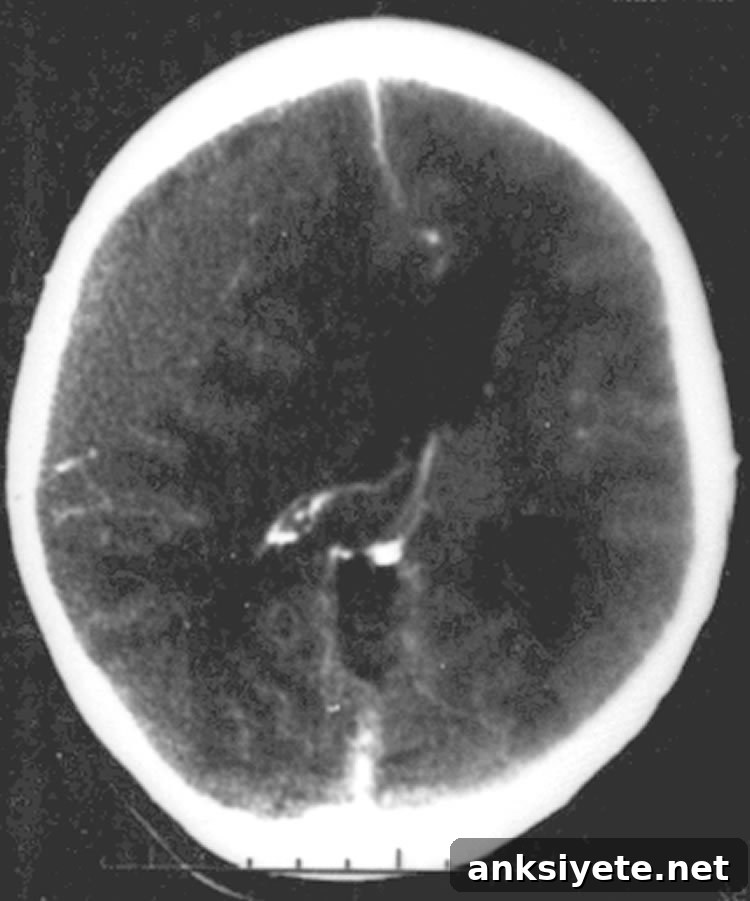
Higher Education Associated with Better Recovery After Moderate to Severe Traumatic Brain Injury
People with higher levels of education are significantly more likely to recover fully from a moderate to severe traumatic brain injury (TBI), according to new research from Johns Hopkins.
Published in the journal Neurology, the study links greater educational attainment—used as a marker of a brain’s “cognitive reserve”—with higher odds of being disability-free one year after a TBI that required hospitalization and inpatient rehabilitation. The findings align with prior work in dementia research showing that education and mentally stimulating activities can affect outcomes after brain insult.
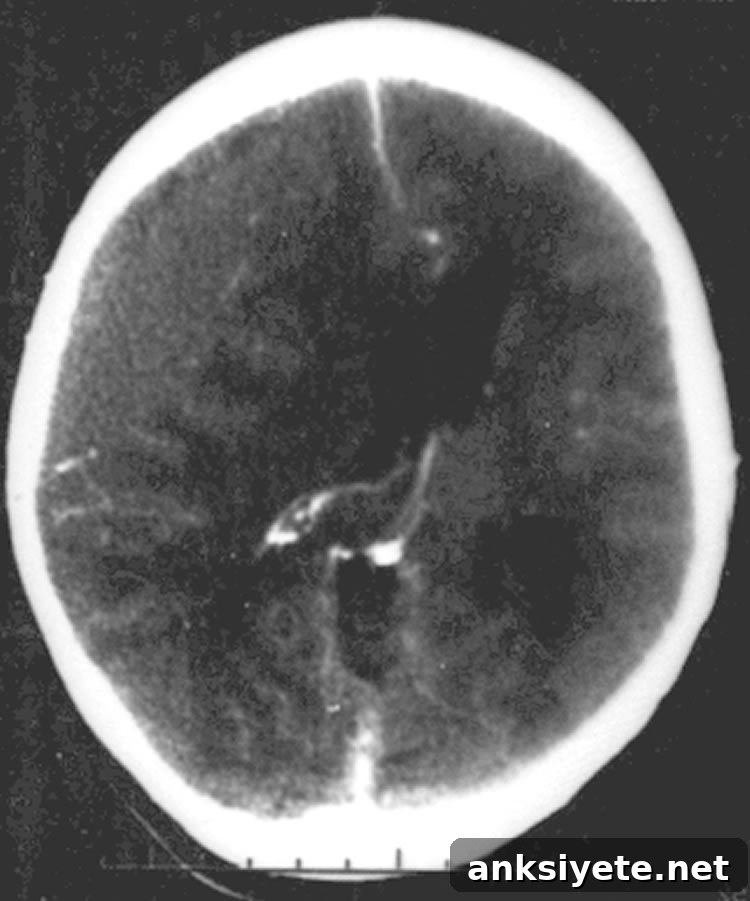
The investigation followed 769 patients enrolled in the TBI Model Systems database, a multi-center cohort supported by the National Institute on Disability and Rehabilitation Research. All participants had sustained a moderate to severe traumatic brain injury that required hospitalization and subsequent admission to a rehabilitation facility.
Overall, 219 of the 769 patients (27.8 percent) were free of any detectable disability one year after injury. Recovery rates varied substantially by education level: among patients who had not finished high school, 23 individuals (9.7 percent of that subgroup) were disability-free at one year. In contrast, 136 patients with 12 to 15 years of schooling (30.8 percent of that subgroup) and 76 patients with 16 or more years of education (nearly 40 percent of that subgroup) had no detectable disability after one year. After accounting for other factors, the analysis showed that having at least a college education was associated with substantially higher odds of a disability-free recovery compared with having less than a high school education.
Eric B. Schneider, Ph.D., an epidemiologist at the Johns Hopkins University School of Medicine’s Center for Surgical Trials and Outcomes Research and lead author of the study, emphasizes that the results point to cognitive reserve—the brain’s resilience and ability to adapt after injury—as a plausible explanation for the differences in outcome. “After this type of brain injury, some patients experience lifelong disability, while others with very similar damage achieve a full recovery,” he says. “Our work suggests that cognitive reserve — the brain’s ability to be resilient in the face of insult or injury — could account for the difference.”
Co-investigator Robert D. Stevens, M.D., a neuro-intensive care physician in the Department of Anesthesiology and Critical Care Medicine at Johns Hopkins, adds that better understanding the biological basis of cognitive reserve could guide new approaches to improving recovery after brain injury. The authors note that the study does not identify the exact biological processes responsible for the association and that further research is needed to explore how education and other cognitively engaging experiences influence healing and adaptation.
Schneider and colleagues offer two broad hypotheses that merit future study. First, individuals with greater cognitive reserve might recover more effectively because their brains can repair or reorganize function in a way that restores prior abilities. Second, higher reserve might allow patients to develop compensatory strategies and recruit alternative neural pathways to achieve comparable functional outcomes despite similar structural injury. Both possibilities suggest a potential role for interventions that build or mimic cognitive reserve to improve recovery in patients with less formal education.
While the study focuses on the association between years of schooling and recovery, the authors emphasize practical takeaways: maintaining an active, engaged lifestyle and seeking ongoing cognitive stimulation may contribute to a brain better equipped to withstand injury. “What we learned may point to the potential value of continuing to educate yourself and engage in cognitively intensive activities,” Schneider says. “Just as we try to keep our bodies strong to help us recover when we are ill, we need to keep the brain in the best shape it can be.”
Stevens underscores the translational potential of the findings: “Understanding the underpinnings of cognitive reserve in terms of brain biology could generate ideas on how to enhance recovery from brain injury.”
Additional Johns Hopkins researchers who contributed to the study include Vanessa Raymont, M.B.Ch.B., M.Sc., M.R.C.Psych.; Josh Duckworth, M.D.; Robert G. Kowalski, M.B.B.Ch., M.S.; David T. Efron, M.D.; Xuan Hui, M.D., Sc.M.; Shalini Selvarajah, M.D., M.P.H.; and Hali L. Hambridge, Sc.M.
The authors disclose that Schneider has pending patents on a treatment for acute central nervous system injury that are unrelated to the content of this manuscript. Stevens has received research funding from the Defense Advanced Research Projects Agency, the Department of Defense and the Johns Hopkins Brain Sciences Institute.
Contact: Stephanie Desmon – Johns Hopkins Medicine
Source: Johns Hopkins Medicine press release; original research reported in Neurology.