
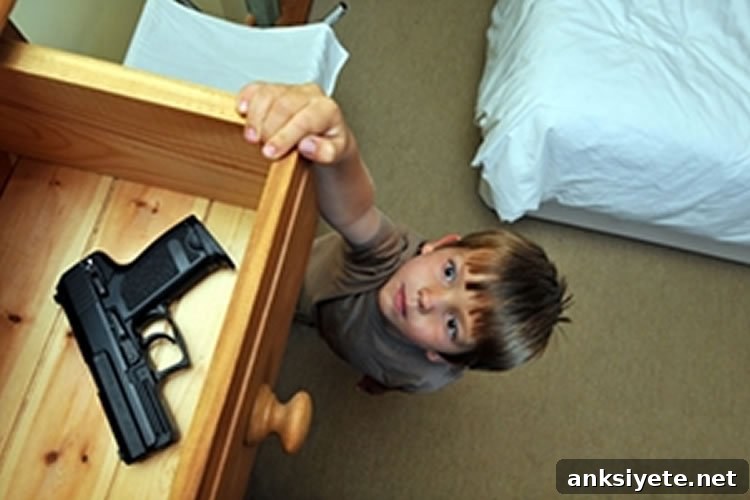
AU School of Public Affairs assistant professor Taryn Morrissey led a study linking parental depression to increased safety risks for young children. Her article, “Parents’ Depressive Symptoms and Gun, Fire, and Motor Vehicle Safety Practices,” was published online in the Maternal and Child Health Journal on January 5, 2016.
Morrissey analyzed data from the Early Childhood Longitudinal Study–Birth Cohort, a nationally representative sample that follows children from birth through age five. She examined how mothers’ and fathers’ depressive symptoms relate to common safety practices in the home and in cars, including the use of smoke detectors, the placement and restraint of children in motor vehicles, and firearm ownership and storage.
The study found measurable differences in safety behaviors when parents reported moderate to severe depressive symptoms. Mothers with these symptoms were about two percentage points less likely to report that their child always rode in the back seat and roughly three percentage points less likely to report having at least one working smoke detector in the home. These differences, while modest in percentage terms, represent meaningful gaps in practices that protect children from preventable injuries.
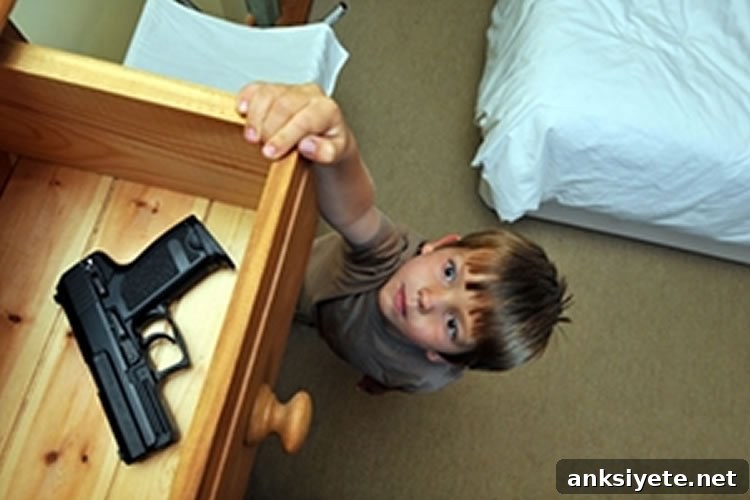
Firearm ownership and storage also showed notable patterns. Approximately one in five households with young children reported owning at least one firearm. Among those households, only about two-thirds reported that all firearms were locked at all times. Fathers’ depressive symptoms were associated with both a lower likelihood of owning a gun and a lower likelihood that any owned gun would be stored locked. When both parents experienced depressive symptoms, the household was more likely—by an estimated two to six percentage points—to report owning at least one firearm.
Morrissey’s motivation for the study grew from concern about child safety in the context of rising attention to firearm-related injuries and violent events. Her research highlights how parental mental health can affect routine safety practices that reduce risks from fires, motor vehicle incidents, and unsecured firearms.
With a research focus on policies and programs that support vulnerable children and families, Morrissey has published in journals including Pediatrics, Child Development, Developmental Psychology, and the Journal of Marriage and Family. She joined the School of Public Affairs faculty in 2010. Morrissey has served in federal policy roles, including as senior adviser in the Office of the Assistant Secretary for Planning and Evaluation at the Department of Health and Human Services, where she worked on early learning initiatives such as Early Head Start and child care. She has also worked as a health policy adviser on the U.S. Senate Health, Education, Labor and Pensions Committee. Morrissey earned a doctorate in developmental psychology and a master’s degree in human development and family studies from Cornell University.
Morrissey recommends that pediatricians and primary care providers routinely screen parents for depression and use visits to discuss practical safety measures for young children: ensuring children ride in appropriate seats and in the back seat, maintaining working smoke detectors in the home, and addressing the risks associated with firearms through secure storage or removal from the home. The American Academy of Pediatrics notes that the most reliable way to prevent firearm-related injuries among children and adolescents is the absence of guns in the home; when firearms are present, safe storage practices reduce risk.
Abstract
Parents’ Depressive Symptoms and Gun, Fire, and Motor Vehicle Safety Practices
Objective This study examined associations between mothers’ and fathers’ depressive symptoms and parenting practices related to firearm, fire, and motor vehicle safety.
Methods Using data from the Early Childhood Longitudinal Study–Birth Cohort (ECLS‑B), linear probability models assessed links between parental depressive symptoms and reported use of smoke detectors, motor vehicle restraints, and firearm ownership and storage.
Results Mothers reporting moderate or severe depressive symptoms were about two percentage points less likely to report that their child always sat in the back seat and about three percentage points less likely to report having at least one working smoke detector. Fathers’ depressive symptoms were associated with reduced likelihood of both firearm ownership and secure storage. When both parents exhibited depressive symptoms, the likelihood of gun ownership increased by approximately two to six percentage points.
Conclusions Early identification and treatment of parental depression may support safer family practices and reduce preventable risks to young children. Integrating mental health screening into pediatric and family care offers an opportunity to improve household safety behaviors.
Source: American University, Washington
Original Research: “Parents’ Depressive Symptoms and Gun, Fire, and Motor Vehicle Safety Practices,” Maternal and Child Health Journal. Published online January 5, 2016. doi:10.1007/s10995-015-1910-z