
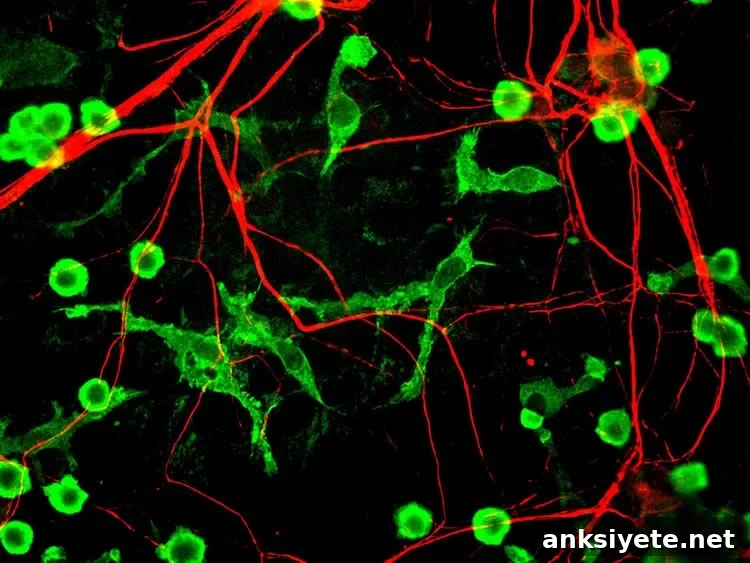
Summary: A University of Chicago study finds that prolonged antibiotic treatment in mice reduced amyloid plaque burden and altered microglial inflammatory activity, changes that correlate with major shifts in the gut microbiome.
Source: University of Chicago.
Long-term broad-spectrum antibiotics reduce disease-associated amyloid plaques and increase neuroinflammatory microglial activity in mice
Neuroscientists at the University of Chicago report that sustained treatment with broad-spectrum antibiotics over several months produced striking changes in the brains and guts of a mouse model of Alzheimer’s disease. The study, published July 21, 2016, in Scientific Reports, links antibiotic-driven remodeling of the gut microbiome to decreased accumulation of amyloid-ß (Aß) plaques and to an altered inflammatory state of microglial cells in the brain.
Two pathological hallmarks of Alzheimer’s disease are the progressive aggregation of Aß peptides into amyloid plaques and chronic activation of microglia, the central nervous system’s resident immune cells. Plaque accumulation is closely tied to disease onset and progression, while neuroinflammation is believed to modulate the pace of cognitive decline. The new results suggest that the gut microbiome can influence both amyloidosis and microglial behavior.
In the reported experiments, researchers administered high doses of broad-spectrum antibiotics to mice continuously for five to six months. At the end of the treatment period they performed genetic analyses of the animals’ intestinal bacteria. Although the overall biomass of gut microbes remained similar to untreated controls, the composition and diversity of the microbial community shifted dramatically. These shifts corresponded with more than a two-fold reduction in Aß plaque burden in antibiotic-treated mice compared with controls and with a clear elevation in markers of microglial inflammatory activation.
The antibiotic-treated animals also showed increased levels of several circulating signaling molecules in the blood, consistent with systemic immune and metabolic changes accompanying gut microbiome perturbation. While the exact mechanistic links between altered gut bacteria, blood-borne signals, microglial activation, and lower amyloid deposition remain to be defined, the findings underscore the gut–brain axis as a potent modulator of pathology in neurodegenerative disease models.
“We’re exploring very new territory in how the gut influences brain health,” said Sangram Sisodia, PhD, Thomas Reynolds Sr. Family Professor of Neurosciences at the University of Chicago and senior author on the paper. He emphasized that the work opens paths for new research rather than immediate clinical recommendations. “We don’t propose that a long-term course of antibiotics is going to be a treatment—that would be inappropriate for many reasons,” said Myles Minter, PhD, a postdoctoral scholar and lead author. “What this study does is give us experimental leverage: when we shift the gut microbial population and observe altered amyloid deposition and immune states in the brain, we can begin to pinpoint which bacteria or microbial products are involved and how they influence disease processes.”
The study was enabled by cross-disciplinary collaboration through the Microbiome Center, a joint initiative involving the University of Chicago, the Marine Biological Laboratory and Argonne National Laboratory. Investigators from different laboratories contributed microbiome sequencing, immune profiling, neuropathology, and data analysis to connect changes in gut bacterial communities with brain outcomes. Additional contributors include researchers from Massachusetts General Hospital and Washington University, who provided expertise in Alzheimer’s disease models and neurobiology.
The investigators are cautious about clinical implications. Sisodia noted that Alzheimer’s disease develops over decades and that pathological changes in the brain begin long before clinical symptoms appear. Identifying microbiome-dependent molecules or microbial taxa that influence onset or progression could lead to entirely new kinds of personalized interventions—approaches that modulate microbial communities or their metabolites to alter disease trajectories rather than relying on broad antibiotics.
Future studies will be required to map the causal chain from specific gut bacteria or bacterial products to systemic signals and to microglial responses in the brain. Researchers plan to isolate candidate microbes and metabolites that become enriched or depleted after antibiotic treatment and to test how those factors affect amyloid processing, microglial function, and cognition in experimental models.
Funding: The study, “Antibiotic-induced perturbations in gut microbial diversity influences neuro-inflammation and amyloidosis in a murine model of Alzheimer’s disease,” was supported by the Cure Alzheimer’s Fund and the National Institute of Diabetes and Digestive and Kidney Diseases. Additional authors named in the published work include Daina Ringus, Xiaoqiong Zhang, Paul Oyler-Castrillo, Mark Musch, Can Zhang, Joseph Ward, Rudolph Tanzi, Fan Liao, and David Holtzman.
Source: Matt Wood — University of Chicago
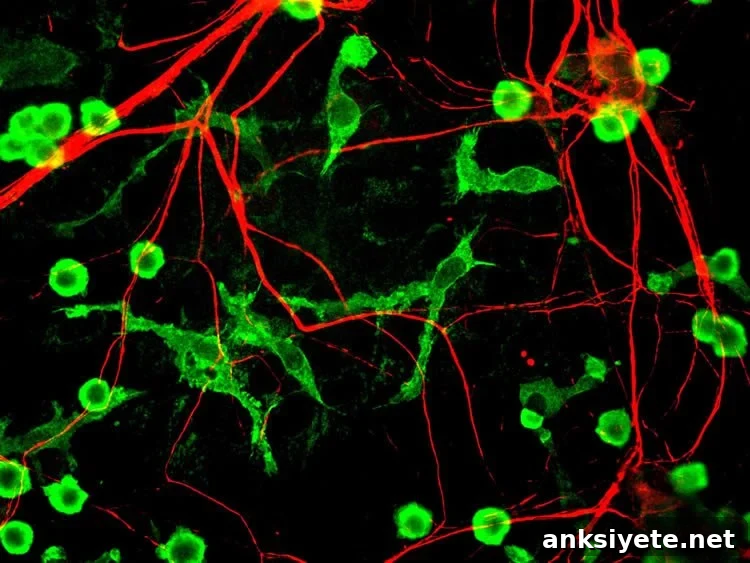
Image source: Image credited to GerryShaw.
Original research: The study was published in Scientific Reports under the title cited above.
University of Chicago. “Antibiotics Weaken Alzheimer’s Progression Through Changes in Gut Bacteria.” Neuroscience News. 21 July 2016.