
Summary: A long-term study finds that a slowing walking pace in older adults is linked to shrinkage in the right hippocampus, and that progressive gait slowing may be an early sign of cognitive decline. Researchers suggest routine measurement of walking speed in older patients to detect changes that could warrant further cognitive assessment.
Source: University of Pittsburgh
Right Hippocampus Links Slower Walking Speed to Cognitive Decline
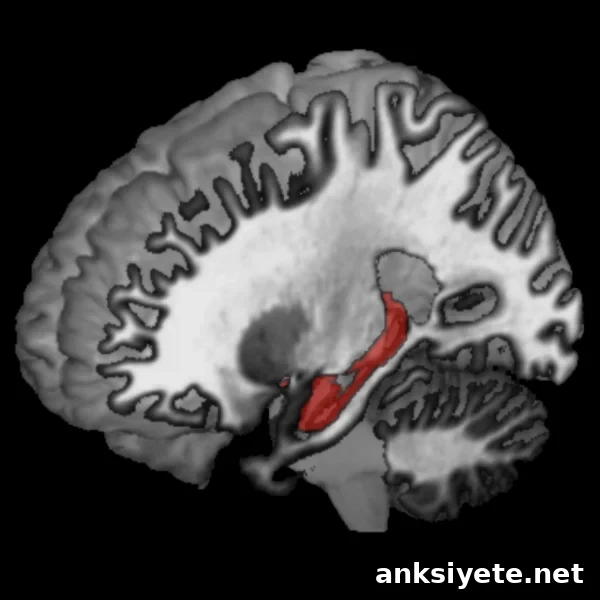
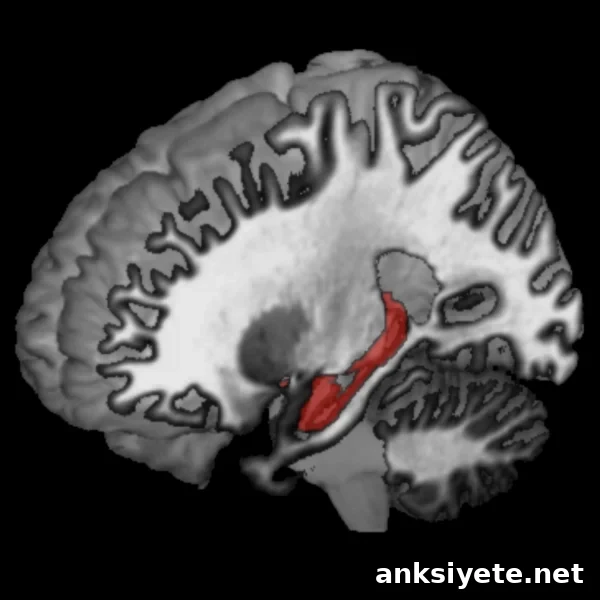
A 14-year study by researchers at the University of Pittsburgh Graduate School of Public Health identifies the right hippocampus — the finger-shaped brain region located near ear level — as a key area where changes correspond with both slowing gait and decreased mental acuity. The findings, published in Neurology, suggest that simple clinic measures of walking speed can help flag older patients who may benefit from further cognitive evaluation.
Study design and methods
The research analyzed 175 adults, ages 70 to 79, who enrolled in the Health, Aging and Body Composition (Health ABC) study in Pittsburgh or Memphis, Tennessee. All participants were cognitively normal and had normal brain scans at baseline. Over the next 14 years, participants periodically walked an 18-foot hallway at their usual pace while an assistant timed them. At the end of follow-up, the participants underwent cognitive testing and repeat brain imaging to assess structural changes.
Key findings
Consistent with earlier work, the study confirmed that a slower walking speed is associated with later cognitive impairment. Crucially, the team found that this association was specifically tied to shrinkage of the right hippocampus. Of the brain regions examined, only the right hippocampus showed a volume reduction that related both to gait slowing and to cognitive decline.
Importantly, the pattern of slowing over time was more predictive than a single slow measurement. All participants experienced some slowing, but those whose walking time increased by an additional 0.1 seconds per year were about 47 percent more likely to develop cognitive impairment than peers who slowed less. This relationship remained even after accounting for common contributors to slower walking — such as muscle weakness, knee pain, and chronic conditions like diabetes, heart disease, and hypertension.
Clinical implications
Lead author Andrea Rosso, Ph.D., M.P.H., emphasizes that measuring walking speed is simple, inexpensive and noninvasive — requiring only a stopwatch, a tape measure and a short hallway. Rosso notes that while a fraction of a second change in gait may seem small, accumulated over years it becomes noticeable and meaningful. Rather than dismissing slower gait as merely a mechanical or age-related change, clinicians should consider whether the slowing could reflect early brain pathology and refer patients for cognitive assessment when appropriate.
The researchers caution that gait slowing alone is not sufficient to diagnose cognitive disorders. However, including periodic walking speed checks in routine geriatric evaluations could help identify patients who should receive further diagnostic testing. Early detection of cognitive decline opens the door to interventions that may delay progression and gives patients and families more time to plan for future care needs.
Study team and support
The paper’s senior author is Caterina Rosano, M.D., M.P.H., of Pitt Public Health. Other contributors include researchers from the Albert Einstein College of Medicine, Wake Forest University, the National Institutes of Health, the University of California San Francisco, the University of Tennessee, and additional colleagues at the University of Pittsburgh.
Funding: The Health ABC study and this research were supported by grants and contracts from the National Institute on Aging and related NIH programs, along with institutional support for aging research at participating centers.
Takeaway
This longitudinal study strengthens evidence linking gait changes to brain health and highlights the right hippocampus as a region where structural decline aligns with both slower walking and cognitive deterioration. For clinicians and caregivers, a simple annual walking speed check can be a practical tool to help detect early signs of cognitive decline and trigger timely assessment and support.