
Buphenyl (sodium phenylbutyrate), an FDA-approved drug for hyperammonemia, shows promise for protecting memory and slowing the progression of Alzheimer’s disease.
Researchers at Rush University Medical Center report that oral treatment with sodium phenylbutyrate (commonly marketed as Buphenyl) increased neurotrophic support in the brain and preserved learning and memory in mouse models of Alzheimer’s disease (AD). The findings, funded by the National Institutes of Health, were published in the Journal of Biological Chemistry.
“Understanding the molecular pathways that underlie Alzheimer’s disease is essential for developing therapies that protect neurons and halt disease progression,” said Kalipada Pahan, PhD, the Floyd A. Davis Professor of Neurology at Rush and lead investigator of the study. The team’s work focused on whether an existing, orally available medication could raise levels of protective proteins in the brain and thereby improve cognitive outcomes.
Neurotrophic factors are a family of proteins that support neuron survival, growth and function. Prior studies indicate these proteins are markedly reduced in brains affected by Alzheimer’s disease, which may contribute to synaptic dysfunction and cognitive decline. Rather than delivering proteins directly to the brain or using gene therapy, the Rush team explored whether an oral pharmacological approach could stimulate the brain’s own production of neurotrophic factors in a clinically feasible and cost-effective manner.
In their experiments, orally administered sodium phenylbutyrate crossed into the brain and induced increases in key neurotrophic proteins. The drug appeared to act on astroglia (also called astrocytes), the supportive glial cells that remain resilient even as neurons degenerate in AD. By stimulating astroglia to produce neurotrophic factors, Buphenyl helped preserve neuronal health and improved measures of learning and memory in mouse models that exhibit Alzheimer-like pathology.
Mechanistically, the researchers found that Buphenyl activated the memory-associated transcription factor known as CREB (cyclic AMP response element-binding protein). This activation was mediated through Protein Kinase C (PKC), a signaling enzyme that can regulate cellular responses. Activation of PKC and CREB in astroglia led to elevated synthesis of neurotrophic factors across the brain, providing a plausible biochemical route linking the drug to preserved cognitive function.
“Our data show that oral Buphenyl reaches the brain, enhances beneficial neurotrophic signaling, protects neurons and improves behavioral measures of learning and memory in mice,” Dr. Pahan said. He emphasized that these promising preclinical results now need to be translated into carefully designed clinical trials to determine whether the same benefits occur in patients with Alzheimer’s disease.
The research team included Grant Corbett, a neuroscience graduate student at Rush, and Avik Roy, research assistant professor at Rush. The study was supported by multiple NIH grants. The authors discuss the implications of enhancing astrocyte-driven neurotrophin synthesis for a range of neurodegenerative disorders beyond Alzheimer’s disease.
Background on Alzheimer’s disease
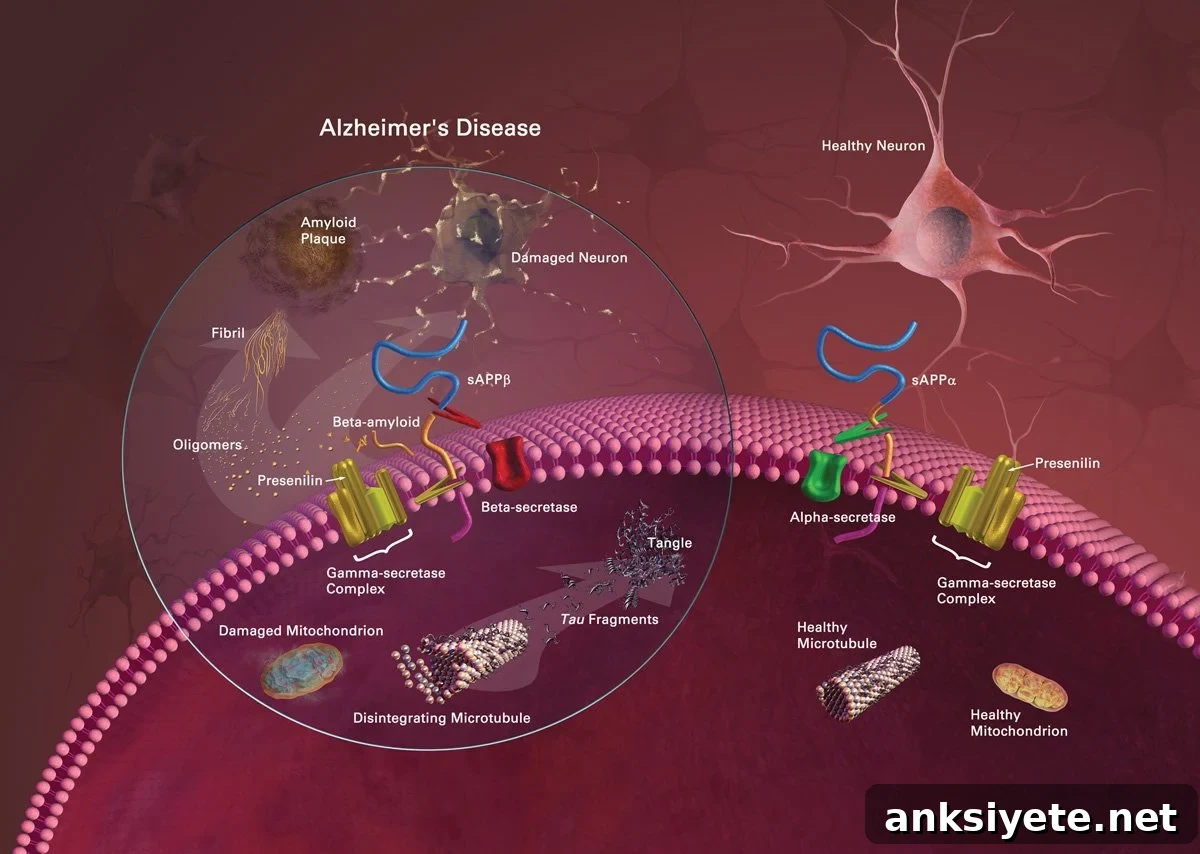
Alzheimer’s disease is an irreversible, progressive neurodegenerative disorder that gradually destroys memory and thinking skills and eventually impairs the ability to perform even simple daily tasks. Symptoms typically appear after age 60, and Alzheimer’s is the most common cause of dementia in older adults, affecting millions of people. Hallmark pathological features of AD include extracellular amyloid plaques and intracellular neurofibrillary tangles, which are thought to contribute to neuronal injury and cell death. In contrast, other brain cells such as astroglia often persist and can be targeted to support neuronal survival.
Funding and acknowledgements
This study was supported by grants from the National Institutes of Health (AT6681, NS64564 and NS71479). Grant Corbett received support from the NIA training grant (T32 AG00269).
Contact: Deb Song — Rush University Medical Center
Source: Rush University Medical Center press release
Original research: Corbett G., Roy A., and Pahan K. “Sodium phenylbutyrate enhances astrocytic neurotrophin synthesis via PKC-mediated activation of CREB: Implications for neurodegenerative disorders.” Journal of Biological Chemistry. Published online February 12, 2013. doi: 10.1074/jbc.M112.426536