
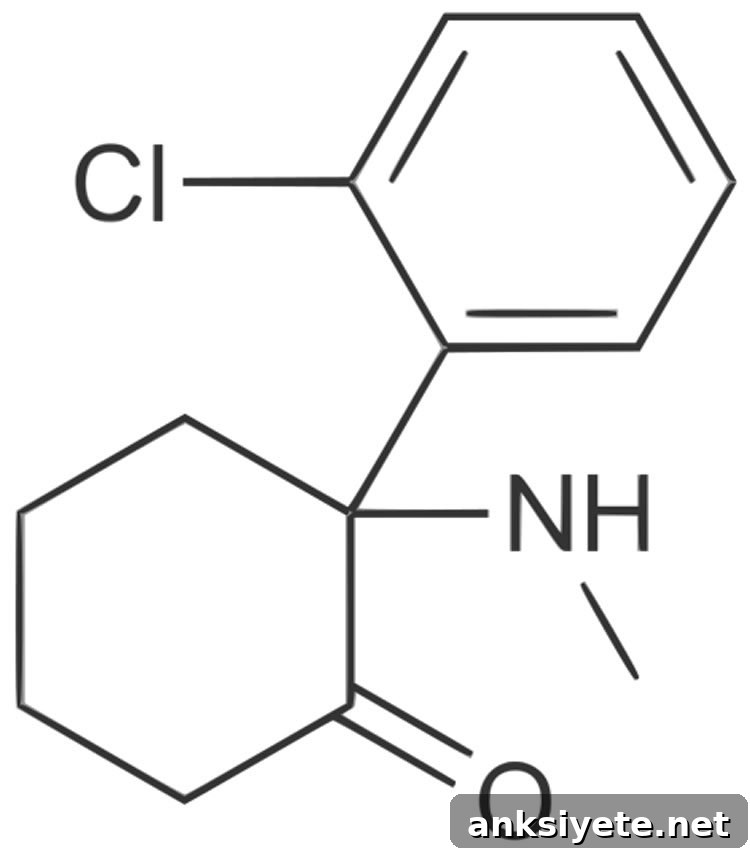
Repeated low-dose ketamine infusions reduced — and in some cases eliminated — suicidal thoughts in outpatients with treatment-resistant depression
Repeated intravenous administrations of low-dose ketamine produced rapid reductions in suicidal ideation for a small group of outpatients with treatment-resistant major depressive disorder. The study, published Online First in the Journal of Clinical Psychiatry by investigators at Massachusetts General Hospital (MGH), evaluated patients who reported persistent suicidal thoughts for three months or longer despite ongoing antidepressant treatment.
“Finding that low-dose ketamine, when added to existing antidepressant medications, quickly reduced suicidal thinking in these patients is important,” says Dawn Ionescu, MD, of the Depression Clinical and Research Program in the MGH Department of Psychiatry, lead and corresponding author. “There are few readily available, fast-acting, and well-tolerated options for patients with persistent suicidal ideation, and many prior ketamine studies excluded people actively experiencing suicidal thoughts.”
Suicidal thinking markedly increases the risk of suicide attempts, and patients with depression face a substantially higher risk compared with the general population. Current pharmacologic treatments that target suicide risk, such as lithium or clozapine, require careful monitoring because of potentially serious side effects, and electroconvulsive therapy, while effective for some, is limited by availability and cognitive side effects for others. In this context, ketamine’s rapid antidepressant effects observed in prior research prompted investigation of whether repeated, low-dose infusions could reduce ongoing suicidal ideation safely and sustainably.
The open-label study enrolled 14 outpatients diagnosed with DSM-IV major depressive disorder who reported stable suicidal thoughts for at least three months. After three screening visits to confirm eligibility and ensure stable antidepressant therapy, participants received six ketamine infusions across three weeks, delivered twice weekly. The initial dose for the first three infusions was 0.5 mg/kg infused over 45 minutes — roughly one-fifth of a typical anesthetic dose — and the dose was increased to 0.75 mg/kg for the final three infusions. Participants were assessed during treatment and then every other week during a three-month naturalistic follow-up period.
Assessments used validated measures of suicidal ideation and intensity. At each visit, approximately four hours after an infusion, clinicians administered structured tools that directly asked patients about the presence, frequency, and intensity of suicide-related thoughts. The same measures were repeated throughout the follow-up phase to track durability of any changes.
Twelve of the 14 participants completed all treatment visits; one discontinued because of side effects and another left due to scheduling conflicts. Most participants showed reductions in suicidal thinking during the treatment phase. Seven of 14 patients (50%) achieved complete remission of suicidal ideation by the end of the infusion course, including some individuals whose core depressive symptoms did not fully remit. Two of those seven maintained remission from both suicidal ideation and depressive symptoms throughout the entire three-month follow-up.
No serious adverse events were observed at either dose level, and side effect profiles were similar between the 0.5 mg/kg and 0.75 mg/kg dosing periods. Still, the investigators emphasize that the study was small and open-label, and larger, placebo-controlled trials are needed to confirm safety, efficacy, and optimal dosing strategies.
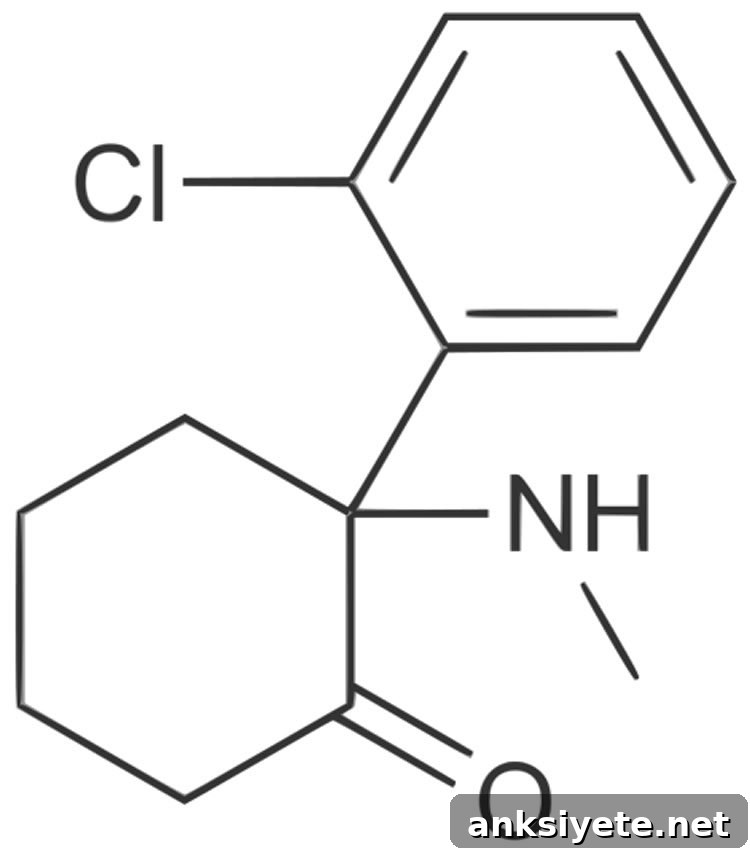
“Requiring at least three months of suicidal thinking and ongoing depression for study entry meant these were patients with persistent symptoms, so any reduction — and especially remission — is encouraging,” Ionescu adds, noting that the study focused on intravenous delivery. The findings support exploration of alternative ketamine formulations such as intranasal or oral routes, which could improve accessibility and ease of administration for patients in crisis.
The investigators acknowledge key limitations: the open-label design meant participants were aware they were receiving ketamine, and the small sample size limits generalizability. The research team reports that a placebo-controlled trial is underway to address these limitations. Future work to clarify ketamine’s mechanism of action and the role of its metabolites may help inform the development of new, targeted treatments for suicidal ideation and depression.
Additional co-authors include Michaela Swee, Kara Pavone, Lee Baer, PhD, Maren Nyer, PhD, Paolo Cassano, MD, David Mischoulon, MD, PhD, Jonathan Alpert, MD, PhD, Maurizio Fava, MD, Cristina Cusin, MD, and colleagues from MGH and Harvard University. The study received support from the National Center for Advancing Translational Science grant 8UL1 TR000170-05 to the Harvard Clinical and Translational Science Center.
Abstract
Rapid and Sustained Reductions in Current Suicidal Ideation Following Repeated Doses of Intravenous Ketamine: Secondary Analysis of an Open-Label Study
Background: Previous studies show ketamine can rapidly reduce depressive symptoms, but many excluded patients with active suicidal ideation. This study evaluated whether repeated low-dose ketamine infusions reduce current suicidal thinking in outpatients with treatment-resistant depression and stable suicidal ideation.
Methods: Between April 2012 and October 2013, 14 outpatients with major depressive disorder and stable suicidal thoughts (≥ 3 months) received six open-label ketamine infusions over three weeks (0.5 mg/kg for the first three infusions; 0.75 mg/kg for the final three). Suicidal ideation was measured using the Columbia-Suicide Severity Rating Scale (C-SSRS) and the suicide item of the 28-item Hamilton Depression Rating Scale (HDRS28-SI) at 240 minutes post-infusion and periodically for three months afterward.
Results: During the acute treatment phase, seven of 14 patients (50%) achieved remission of suicidal ideation on the C-SSRS Ideation scale. Significant linear decreases were observed in C-SSRS Ideation, C-SSRS Intensity, and HDRS28-SI scores over the treatment course. Two patients maintained remission through the three-month follow-up. Changes in suicidal ideation remained significant after accounting for core depressive symptoms in some analyses.
Conclusions: In this preliminary open-label study, repeated low-dose intravenous ketamine produced rapid, clinically meaningful reductions in suicidal ideation among outpatients with treatment-resistant depression and stable suicidal thoughts. Larger, controlled trials are necessary to confirm these findings and to define safety and long-term outcomes.