
Small study links Zika virus to autoimmune attacks on brain myelin similar to multiple sclerosis
A small clinical study released today and scheduled for presentation at the American Academy of Neurology’s 68th Annual Meeting (Vancouver, Canada, April 15–21, 2016) suggests that Zika virus infection may trigger immune-mediated damage to the brain’s myelin, producing effects that resemble those seen in multiple sclerosis (MS).
“Though our study is small, it may provide evidence that in this case the virus has different effects on the brain than those identified in current studies,” said study author Maria Lucia Brito Ferreira, MD, of Restoration Hospital in Recife, Brazil. “Much more research will need to be done to explore whether there is a causal link between Zika and these brain problems.”
The researchers followed patients who presented to a Recife hospital between December 2014 and June 2015 with symptoms consistent with arbovirus infection—the viral family that includes Zika, dengue and chikungunya. Of the patients seen during this period, the investigators identified 151 cases exhibiting neurological manifestations. From that group, six individuals developed acute neurologic syndromes consistent with immune-mediated disorders and underwent detailed examinations and laboratory testing.
All six patients initially reported fever followed by a rash; many also experienced severe itching, muscle and joint pain, and conjunctival redness. Neurologic symptoms emerged either immediately or within two weeks after the initial systemic illness.
Laboratory testing confirmed Zika virus infection in all six patients and ruled out dengue and chikungunya. Clinical evaluation and neuroimaging revealed two different patterns of immune-related nervous system disease.
Two patients developed acute disseminated encephalomyelitis (ADEM), an inflammatory condition that causes widespread demyelination in the brain and spinal cord. Brain imaging in both ADEM cases showed lesions in white matter consistent with myelin injury. ADEM typically presents as a single episode of central nervous system inflammation; most people recover substantially within months, although relapses can occur in some cases.
The remaining four patients developed Guillain-Barré syndrome (GBS), a well-described immune-mediated disorder that affects peripheral nerve myelin and has been previously associated with Zika infection. GBS commonly presents with progressive muscle weakness and can impair motor function, sometimes requiring intensive care support.
By the time of hospital discharge, five of the six patients continued to experience motor deficits. One patient had persistent visual impairment and another had ongoing cognitive symptoms affecting memory and thinking. These residual deficits underscore that, while many immune-mediated neurologic syndromes improve over time, significant short- and medium-term disability may occur.
“This doesn’t mean that all people infected with Zika will experience these brain problems,” Dr. Ferreira emphasized. “Of those who have nervous system involvement, most do not have central nervous system symptoms. However, our study may shed light on possible lingering effects the virus may be associated with in the brain.”
James Sejvar, MD, of the Centers for Disease Control and Prevention in Atlanta and a member of the American Academy of Neurology, commented on the findings: “At present, it does not seem that ADEM cases are occurring at a similarly high incidence as the GBS cases, but these findings from Brazil suggest that clinicians should be vigilant for the possible occurrence of ADEM and other immune-mediated illnesses of the central nervous system. Of course, the remaining question is ‘why’—why does Zika virus appear to have this strong association with GBS and potentially other immune/inflammatory diseases of the nervous system? Ongoing investigations of Zika virus and immune-mediated neurologic disease will hopefully shed additional light on this important question.”
These observations add to the growing clinical picture linking Zika virus infection with immune-mediated neurologic complications. The study is limited by its small sample size and by the observational nature of case identification, so larger, prospective studies will be needed to define the true frequency, risk factors, and mechanisms underlying central nervous system involvement after Zika infection.
Source: Rachel Seroka – AAN
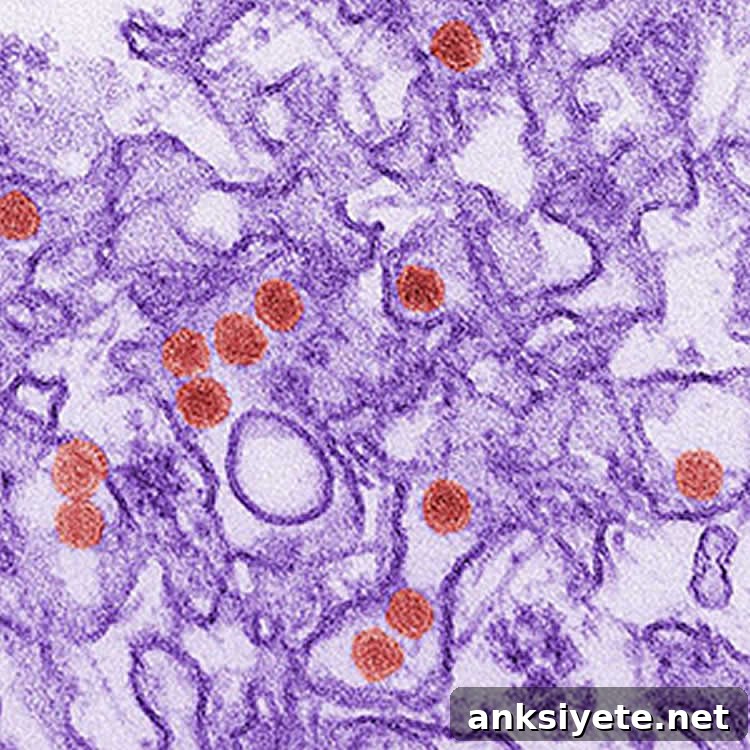
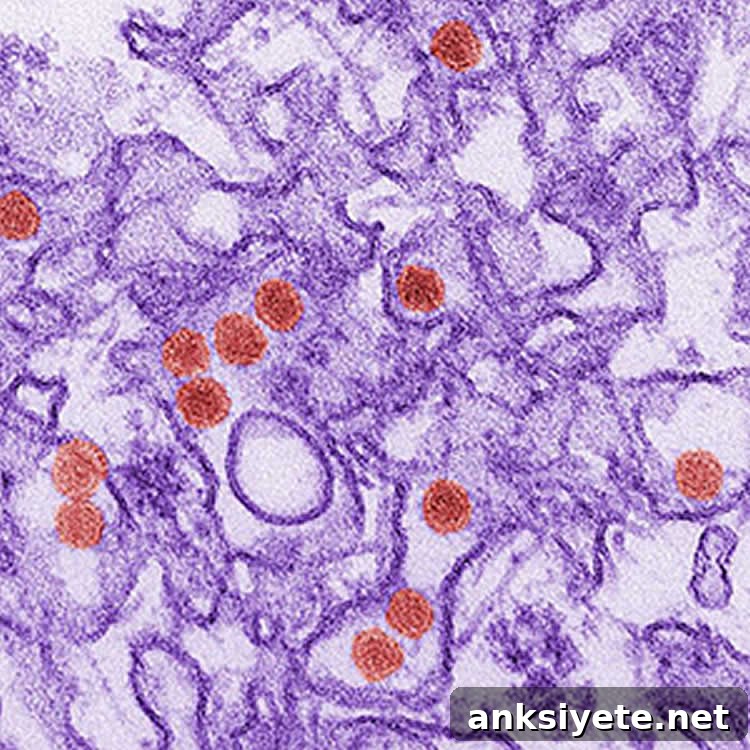
Image credit: CDC/ Cynthia Goldsmith (public domain)
Original research: The researchers will present their findings at the American Academy of Neurology 68th Annual Meeting in Vancouver, British Columbia, during the week of April 15–21, 2016.