
Salk researchers find that a diet recommended for diabetics reduced autism-like signs in mice
Processed foods high in sugar—such as white bread and many cereals—cause rapid rises and falls in blood glucose. In contrast, diets focused on vegetables, fruits and whole grains digest more slowly and help maintain steadier blood sugar. New research from the Salk Institute indicates that a low glycemic index (GI) diet, similar to dietary plans used by people with diabetes to control blood sugar, reduced autism-like behaviors and related brain changes in a mouse model of autism.
Published June 9 in the journal Molecular Psychiatry, the study is preliminary and has not yet been tested in humans, but it offers important clues about how diet and metabolism could influence neurodevelopmental conditions such as autism spectrum disorder (ASD).
Autism spectrum disorder is characterized by social difficulties, repetitive behaviors and communication challenges. Diagnoses have increased over recent decades for reasons that remain unclear. Some of the rise reflects broader diagnostic criteria and improved detection, but environmental and lifestyle factors—diet among them—are also plausible contributors.
“One thing that’s driving a lot of general physiological changes in people is changes in the diet,” says Pamela Maher, senior staff scientist in David Schubert’s laboratory at the Salk Institute and corresponding author of the study. The research team investigated whether lowering levels of methylglyoxal, a toxic dicarbonyl produced during sugar metabolism, could reduce autism-related traits in mice genetically predisposed to autism-like behaviors.
The researchers used a well-established inbred strain of mice that models key behavioral traits of human ASD. Pregnant mice were fed either a high- or low-glycemic index diet, and their offspring remained on the same diet through weaning and into early life while their brains were still forming critical neural connections. Both diet groups consumed equivalent calories and maintained similar body weights, isolating glycemic index as the primary experimental variable.
Behavioral testing after weaning revealed stark differences. Mice consuming the high-GI diet displayed the expected autism-like behaviors: reduced social interaction, increased repetitive actions without clear purpose, and excessive grooming. By contrast, mice raised on the low-GI diet showed substantially fewer of these behaviors.
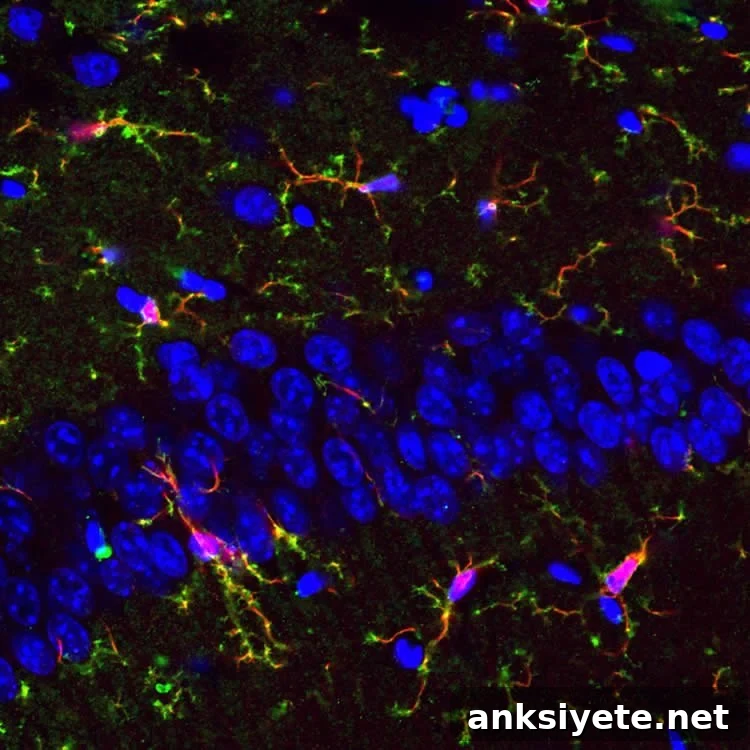
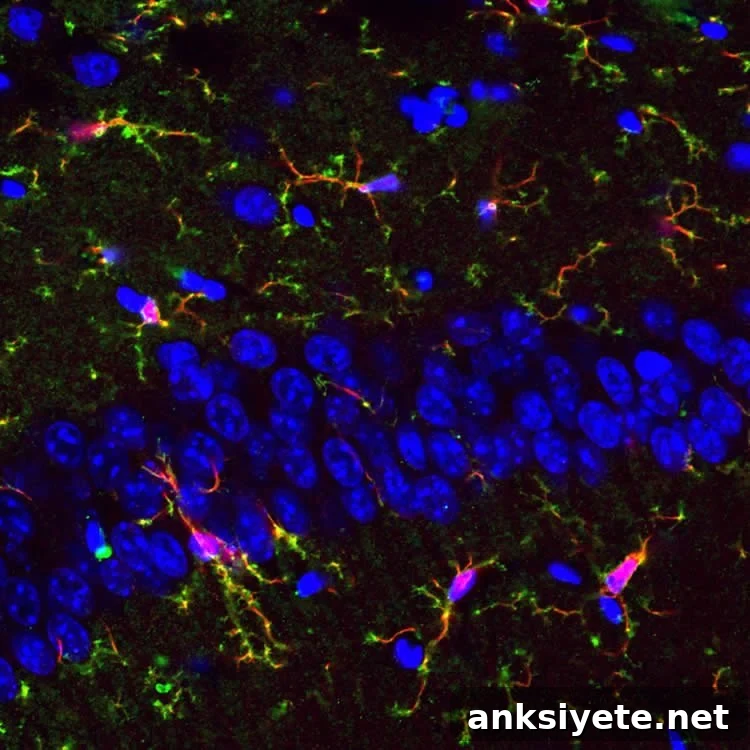
On a biochemical level, the team observed clear differences in brain markers tied to neurogenesis and immune activation. Brains of the high-GI mice contained dramatically lower levels of doublecortin, a protein associated with newly forming neurons, particularly in regions involved in memory processing. The high-GI brain tissue also showed increased numbers of activated microglia—the brain’s resident immune cells—and elevated expression of inflammation-related genes compared with brains from mice fed the low-GI diet.
These findings align with other human and animal studies implicating immune system dysregulation in ASD. Many prior investigations focused on acute infections that trigger short-term inflammation, whereas a high-GI diet appears to cause chronic, low-grade inflammation. That persistent inflammatory state may impair the brain’s ability to generate new neurons and alter neural circuitry during critical developmental windows.
In addition to brain effects, the Salk study detected diet-driven changes in circulating metabolites that likely originate from gut bacteria. Complex starches and fibers are fermented by microbes in the lower intestine, producing metabolites that can enter the bloodstream. The researchers found elevated levels of several such metabolites in mice fed the high-GI diet, suggesting that diet altered the gut microbiome’s activity and metabolic output.
“We were really surprised when we found molecules in the blood that others had reported could only be generated by gut bacteria,” Maher said. “There were big differences in some of these compounds between the two diets.”
The team plans follow-up studies to analyze gut microbial communities more directly and to test how changing the timing of dietary exposure affects outcomes—for example, feeding pregnant mice a high-GI diet while switching their offspring to a different diet after birth. They also aim to clarify how inflammation influences neurogenesis and whether lowering methylglyoxal or other metabolites can mediate the observed benefits.
Other authors on the study include Antonio Currais, Catherine Farrokhi, Richard Dargusch and Marie Goujon-Svrzic of the Salk Institute.
Funding: The research was supported by the Fritz B. Burns Foundation.
Source: Salk Institute
Image Credit: Antonio Currais / Salk Institute
Original Research: Currais A., Farrokhi C., Dargusch R., Goujon-Svrzic M., and Maher P., “Dietary glycemic index modulates the behavioral and biochemical abnormalities associated with autism spectrum disorder,” Molecular Psychiatry. Published online June 9, 2015. doi:10.1038/mp.2015.64
Dietary glycemic index modulates the behavioral and biochemical abnormalities associated with autism spectrum disorder
Autism spectrum disorder (ASD) is a complex neurodevelopmental condition likely resulting from interactions between genetic vulnerability and environmental factors. Immune system dysregulation has been reported in individuals with ASD, but the potential contribution of dietary factors that alter immune activation has been less explored. Using BTBR mice, an inbred strain that exhibits behavioral traits reflecting human ASD, this study demonstrates that dietary glycemic index significantly influences ASD-like phenotypes. The diet altered plasma metabolites, neuroinflammation and brain markers of neurogenesis in patterns reflective of human ASD. These results support the view that gene–environment interactions—including diet—can substantially affect the expression of autism-related traits when genetic predisposition is present.