
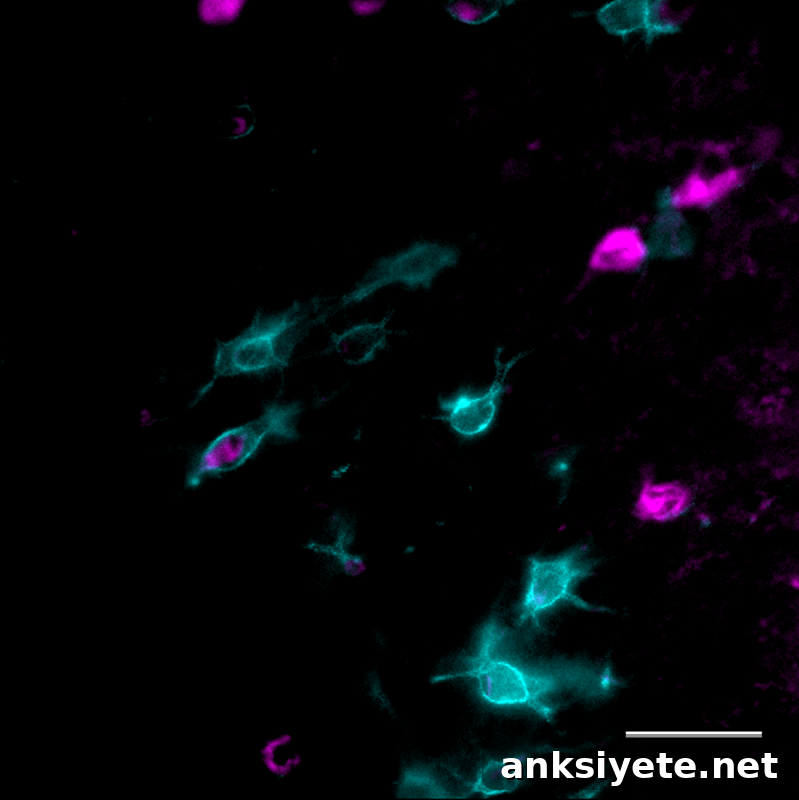
Summary: Perineuronal nets (PNNs) are extracellular matrix structures that surround specific neurons. Diets high in saturated fats and refined sugars can promote inflammation and oxidative stress that damage PNNs and the neurons they protect, which may contribute to memory loss and cognitive decline.
Source: University of Western Ontario
Poor diet may harm more than your waistline — it could also undermine memory and cognitive function, according to new research led by investigators at Western.
The review, titled “Perineuronal Nets: Plasticity, Protection, and Therapeutic Potential,” highlights the essential roles that perineuronal nets play in stabilizing synapses, shielding neurons from toxins, and regulating how experiences are consolidated into lasting memories.
Amy Reichelt, a BrainsCAN Postdoctoral Fellow, together with neuroscientists Lisa Saksida and Tim Bussey from the Schulich School of Medicine & Dentistry, examined the functions of PNNs and the consequences when these structures are compromised.
“Learning involves forming new connections between neurons,” said Reichelt, the study’s lead author. “PNNs can limit plasticity, preserving existing neural circuits, or they can support the formation of durable pathways that underlie behaviour and long-term memory.”
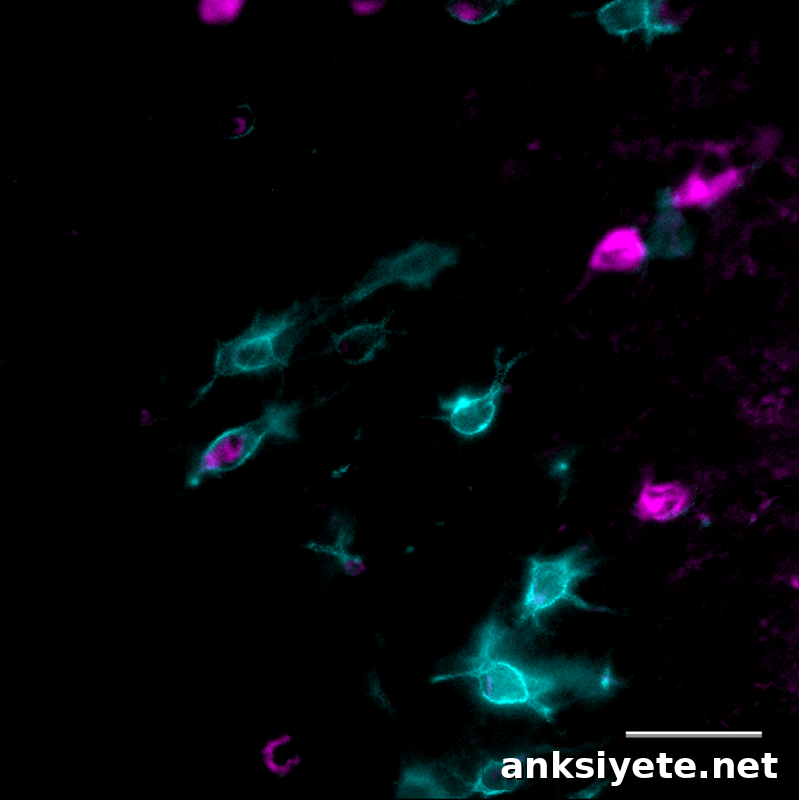
Physically, PNNs appear as mesh-like extracellular networks that wrap around certain neurons. When intact, these nets act as a protective barrier and help control which inputs change the neuron’s synaptic connections. By doing so, they balance stability and flexibility in brain circuits.
When PNNs are absent or dysfunctional, neurons become more permissive to a wider range of inputs, increasing the likelihood that irrelevant or competing information will become encoded. This abnormal level of plasticity is associated with a range of conditions, including some neurodegenerative and neuropsychiatric disorders such as anxiety-related illnesses and addiction.
Reichelt and colleagues note that removing PNNs from brain regions essential for recognition memory can extend the persistence of some memories, suggesting a potential avenue for addressing memory impairment in disorders such as Alzheimer’s disease. However, increasing plasticity by degrading PNNs also removes their protective functions, leaving neurons more vulnerable to damage.
Importantly, Reichelt’s work shows that PNNs and the neurons they protect are sensitive to lifestyle factors. Diets rich in saturated fats and refined sugars—commonly described as “junk food” diets—can drive inflammation and oxidative stress in the brain. These processes appear to damage PNNs and the neurons they encase, which in turn contributes to cognitive decline and impaired memory.
“The inflammation and oxidative stress in the brain caused by junk food diets could be affecting these neurons in particular.”
These findings suggest that the influence of diet on brain health extends beyond neurons themselves to include the extracellular structures that regulate neural function. Reichelt’s research also indicates that positive lifestyle factors, such as regular physical activity or enriched environments, may beneficially alter PNNs and improve cognitive outcomes.
“This research implies that therapies to preserve or restore cognition need not be limited to drugs that change neuronal firing,” Reichelt explained. “Lifestyle changes that alter the neuronal environment — including exercise, enrichment, and nutrition — could support healthier PNNs and better brain function. It’s a reminder that the brain’s performance depends on many interacting elements, not just neurons alone.”
Source:
University of Western Ontario
Media Contacts:
Jeff Renaud – University of Western Ontario
Image Source:
The image is credited to Reichelt et al.
Original Research: Closed access
“Perineuronal Nets: Plasticity, Protection, and Therapeutic Potential” by Amy C. Reichelt, Dominic J. Hare, Timothy J. Bussey, and Lisa M. Saksida. Published in Trends in Neuroscience. DOI: 10.1016/j.tins.2019.04.003
Abstract
Perineuronal Nets: Plasticity, Protection, and Therapeutic Potential
Perineuronal nets (PNNs) are specialized extracellular matrix structures that serve several functions: they regulate synaptic plasticity, stabilize existing synapses, and provide protection against oxidative stress and neurotoxins. Because of these roles, PNNs are intimately involved in cognitive processes such as encoding, maintaining, and updating memories.
Disruption or removal of PNNs increases neural plasticity but can also leave neurons more vulnerable to damage, especially under conditions characterized by elevated oxidative stress or toxic insults. In experimental models, digesting PNNs enhances plasticity but also increases memory interference during encoding, meaning that competing information can more readily disrupt stored memories.
Environmental and lifestyle factors — including physical activity, exposure to certain drugs, and nutritional status — influence brain plasticity, and some of these effects may be mediated through alterations in PNN structure. Identifying molecular targets that modify PNNs could support development of interventions for cognitive decline associated with aberrant plasticity, such as dementia.