
Researchers at the MRC Centre for Developmental Neurobiology (CDN) within the Institute of Psychiatry, Psychology & Neuroscience (IoPPN) report that a brain signal once dismissed as background noise actively shapes how neurons grow and form connections during development. Their findings were published in Cell Reports.
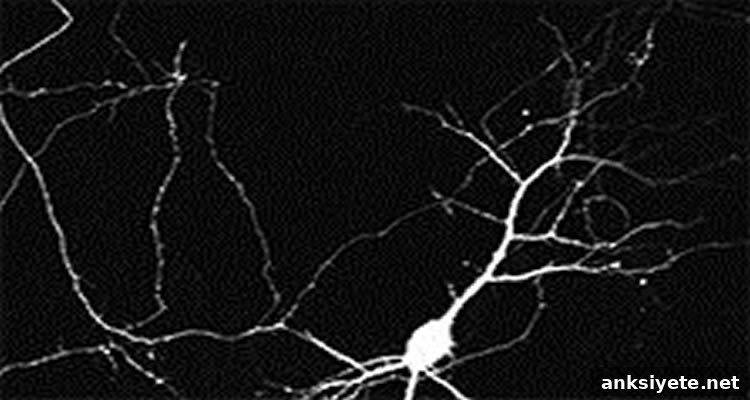
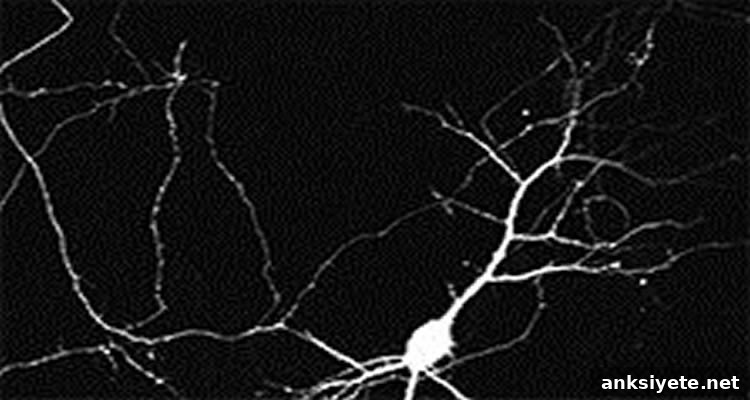
Neurons release neurotransmitters both in response to activity and spontaneously, but the role of spontaneous release has been unclear. The CDN team observed that spontaneous glutamate release is far more frequent during developmental stages and plays a direct role in sculpting the dendritic arbors—the branching, tree-like extensions of neurons that receive inputs from other cells. These branches allow a neuron to form multiple synapses, the chemical junctions that govern electrical signaling across neural circuits.
The researchers show that spontaneous glutamate release can trigger the formation of new dendritic branches, and that this signal acts at greater distances than previously recognized. Importantly, these events influence branching early in the growth cycle of neurons, appearing before mature synapses have formed. This suggests that the same molecular machinery traditionally associated with synaptic communication—glutamate signaling and synaptic proteins—also guides the initial wiring of neuronal networks, making the system efficient by reusing existing components for both development and function.
Lead author Dr Laura Andreae, Lecturer at the MRC Centre for Developmental Neurobiology, emphasizes that spontaneous release—once considered minor compared with activity-evoked release—plays a meaningful developmental role. According to Dr Andreae, spontaneous glutamate signaling promotes the complex branching patterns of dendrites, enabling neurons to increase their connectivity during critical stages of brain wiring.
Branching is fundamental to establishing the dense networks of synaptic connections required for normal brain function. By identifying spontaneous neurotransmitter release as a cue for dendritic branching, this work shifts our understanding of when and how neurons decide to elaborate new processes. Rather than waiting for established synapses, neurons respond to local, spontaneous glutamate signals that trigger long-range activation of NMDA receptors and downstream mechanisms that drive arbor formation.
Beyond clarifying a basic developmental mechanism, these results carry implications for neurodevelopmental disorders that affect synapse formation and connectivity, including autism spectrum disorder and some forms of intellectual disability. If spontaneous release contributes substantially to the early construction of synaptic networks, alterations in this process could help explain some connectivity deficits observed in these conditions. The team notes that further research will be needed to test whether spontaneous release is disrupted in disease models and whether modulating this signaling can influence outcomes.
Dr Andreae concludes that spontaneous neurotransmitter release is likely far more important to the development of neural connections than previously recognized, and the group plans to investigate how this process operates in models of neurodevelopmental disorders. Such studies could reveal new targets for understanding and eventually intervening in conditions where synapse development is impaired.
Contact: Tom Bragg – Kings College London
Source: Kings College London press release
Image Source: Image adapted from the Kings College London press release
Original Research: Open-access article “Spontaneous Neurotransmitter Release Shapes Dendritic Arbors via Long-Range Activation of NMDA Receptors” by Laura C. Andreae and Juan Burrone, Cell Reports. Published online February 12, 2015. DOI: 10.1016/j.celrep.2015.01.032