
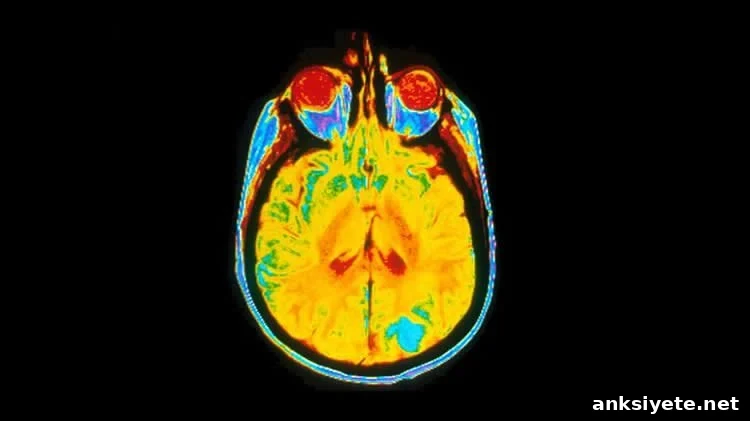
Summary: A large integrated meta-analysis reveals that aggressive childhood brain tumours currently grouped together can be divided into at least ten distinct molecular subtypes. These findings have major implications for diagnosis, prognosis and the development of targeted, individualized treatments.
Source: Institute of Cancer Research
Childhood High-Grade Brain Tumours Are Ten Distinct Diseases, Study Finds
Researchers at The Institute of Cancer Research (ICR), London, report that deadly childhood high-grade brain tumours, including glioblastoma and diffuse intrinsic pontine glioma (DIPG), are not a single disease but at least ten separate molecular entities. The study, the largest of its kind, shows clear genetic and clinical differences across these tumours and highlights opportunities to personalise diagnosis and treatment.
Why this matters
High-grade gliomas and DIPG are rare but are the leading cause of cancer-related deaths in people under 19, with typical survival measured in months. By defining distinct subtypes based on genetic drivers, age at diagnosis, tumour location and mutation burden, the research provides a framework for more precise diagnostic testing and for matching patients to therapies likely to be effective for their tumour’s specific biology.
Large integrated dataset
The investigators combined genetic data from 910 previously published cases with 157 new cases, analysing more than 1,000 tumours from children and young adults up to age 30. This integrated molecular meta-analysis produced a comprehensive dataset that will be made available to the research community to accelerate development of tests and new treatments.
Key findings
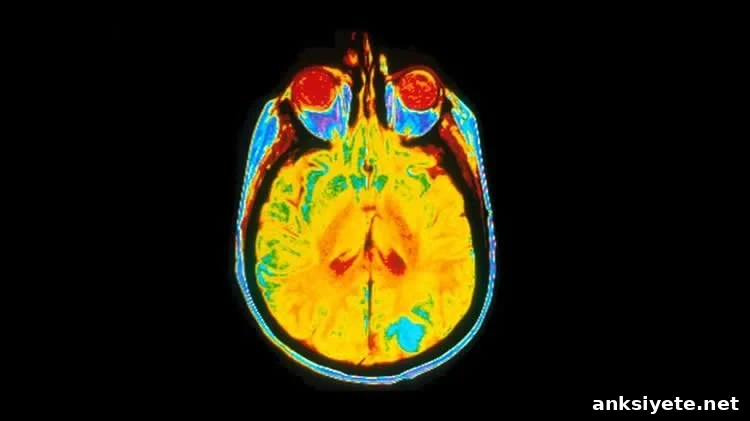
- The tumours separate into at least ten distinct molecular subtypes with major differences in biology and clinical behavior.
- Some subtypes are driven by a single, targetable genetic event—such as BRAF mutations—while others display extremely high mutation burdens, among the highest observed in human cancers.
- Common oncogenic drivers identified across subtypes include PDGFRA, KIT, MYCN, EGFR and CDK6, as well as genes involved in DNA repair—many of which are targetable with existing drugs approved for adult cancers.
- Three subtypes are specifically marked by distinct histone gene mutations. These histone alterations co-segregate with other genetic changes and downstream pathway dysregulation, providing subtype-specific biological insight.
- Novel, potentially targetable alterations were identified within subgroups—for example, rearrangements affecting TOP3A in tumours with the H3.3K27M histone mutation.
- Histone wild-type tumours include subgroups that appear more similar to lower-grade lesions and may carry targetable alterations, suggesting they could be less aggressive and potentially benefit from different treatment approaches.
Implications for targeted therapies
The study underscores the importance of routine genetic testing at diagnosis. Many patients harbour mutations that could be targeted with drugs already in clinical use for adult cancers or with therapies currently in development. Reclassifying tumours by molecular subtype rather than solely by traditional microscopic features can help match children to the most promising treatments and avoid one-size-fits-all approaches that may be ineffective or overly toxic.
Professor Chris Jones, who led the study, noted that tumours historically grouped together are remarkably different at the molecular level and that treatment decisions should increasingly be guided by these genetic distinctions. Professor Paul Workman, ICR Chief Executive, emphasized the need to improve access to genetic testing for children and to adapt clinical trial regulations so more targeted agents are evaluated in paediatric settings.
Patient and family perspectives
The human impact of these diseases is profound. Families affected by childhood brain tumours are calling for better investment in research and gentler, more effective therapies. The study’s results offer hope that a more precise understanding of tumour biology will translate into personalised, less toxic treatments and improved outcomes for children.
Research and funding
The research, published in Cancer Cell, is titled “Integrated Molecular Meta-Analysis of 1,000 Pediatric High-Grade and Diffuse Intrinsic Pontine Glioma.” The work was supported by the ICR and numerous charitable funders, including Cancer Research UK and several disease-focused foundations and hospital charities. The integrated dataset is intended as a resource for the global research community to drive functional studies and guide future treatment stratification.
Takeaway: Childhood high-grade gliomas and DIPG are a molecularly diverse group of cancers that can be separated into at least ten subtypes. Recognizing these differences is a critical step toward personalised diagnostics and targeted therapies that could improve survival and reduce treatment-related harm for affected children.