
Bulimic Brains Respond Differently to Food Cues After Stress, Neuroimaging Study Finds
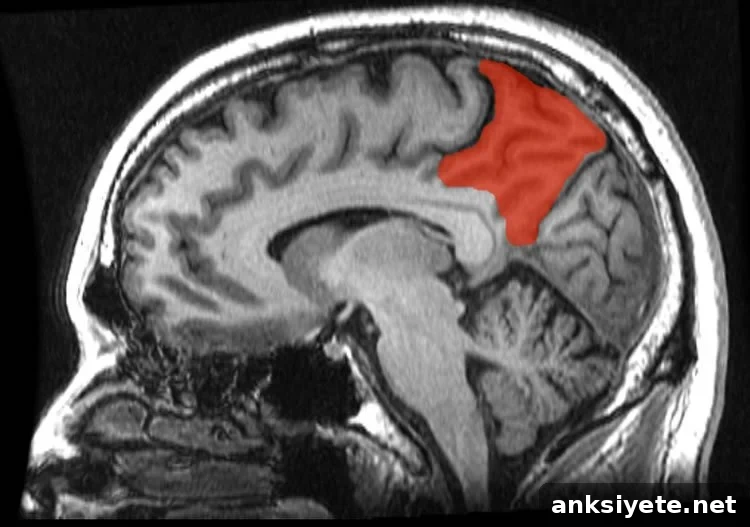
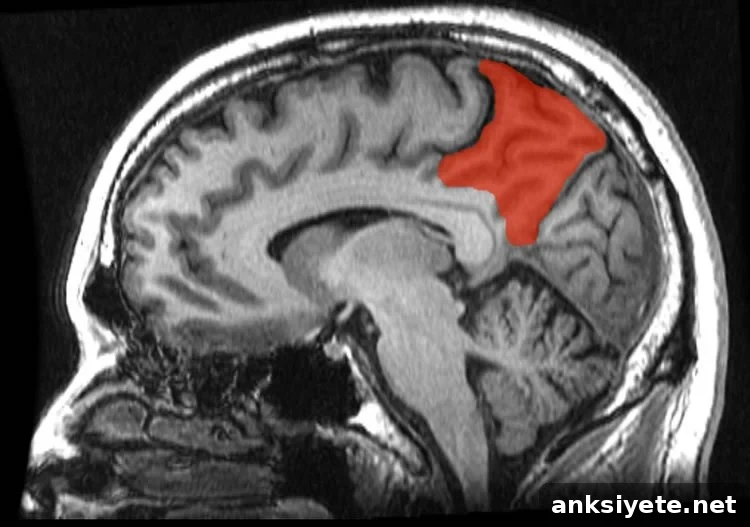
Summary: A neuroimaging study published in the Journal of Abnormal Psychology reports that women with Bulimia Nervosa show different brain responses to images of high‑sugar and high‑fat foods after a stressful task than women without the disorder. Scans revealed reduced blood flow to the precuneus — a region linked to self‑reflection and self‑criticism — in women with bulimia when presented with food cues following a stressful math test. The findings support theories that binge eating can serve as an escape from negative self‑thoughts.
Source: Neuroscience News
Overview
A recent study published by the American Psychological Association examined how women with Bulimia Nervosa process food cues after experiencing acute stress. Using MRI to measure regional cerebral blood flow, researchers compared responses from women with a history of bulimia to those without any eating‑disorder history. The study suggests that, following stress, food images may reduce activity in brain regions involved in self‑reflection among women with bulimia, potentially offering a distraction from negative self‑evaluation.
Bulimia Nervosa and stress‑triggered eating
Bulimia nervosa is characterized by recurring episodes of binge eating followed by compensatory behaviors such as self‑induced vomiting, excessive exercise, or laxative misuse. Individuals with bulimia may maintain a normal weight or be overweight, which differentiates it from anorexia nervosa in many cases. Stress is a common trigger for binge episodes, but until now the neural mechanisms behind how food cues are processed after stressful events have been inadequately understood.
Study design
The study used two related experiments. In the first, researchers presented a standardized meal to 20 women: ten with a history of bulimia and ten without eating‑disorder histories. One hour after the meal, participants underwent MRI scanning while viewing neutral images followed by pictures of high‑fat, high‑sugar foods. After the initial scan, each participant completed a challenging math test designed to induce stress and lower self‑confidence. Participants then returned to the MRI scanner to view a new set of unhealthy food images. Throughout the scanning session, women rated their stress levels and food cravings.
All participants reported elevated stress following the math test. When food images were reintroduced in the second scan, every participant reported reduced stress and increased cravings for high‑fat foods. Despite these similar self‑reports across groups, the brain imaging revealed a key difference in neural response patterns.
Key neural finding: precuneus activity diverges
In women without bulimia, viewing food images after the stressful task was associated with increased blood flow to the precuneus, a medial parietal region implicated in self‑reflection, rumination, and self‑criticism. In contrast, women with bulimia showed decreased blood flow to the precuneus when viewing the same food cues after stress.
Replication and consistency
To confirm the initial results, the research team ran a follow‑up experiment with 17 additional women who had bulimia. The replication produced the same pattern: stress increased self‑reported distress after the math test, and food images reduced reported stress and raised cravings. Importantly, the follow‑up participants again showed reduced precuneus blood flow when viewing food cues after the stressful task, consistent with the first study.
Interpretation and theoretical implications
Brittany Collins, the study’s lead author, suggests that decreased precuneus activity in response to food cues may indicate a temporary disengagement from self‑criticism and internal rumination. “The introduction of food may close off critical thinking,” Collins said, allowing individuals with bulimia to shift attention away from perceived shortcomings toward a concrete external stimulus. Co‑author Sarah Fischer added, “We would expect to see increased blood flow in this region when someone is engaged in self‑reflection, rumination or self‑criticism,” highlighting how the observed decrease contrasts with typical self‑focused neural responses.
The findings lend neurobiological support to emotion regulation theories that frame binge eating as an escape from self‑awareness. For women with bulimia, food may function as an emotionally salient distractor following stress, temporarily reducing negative self‑evaluation and shifting focus away from internal distress.
Conclusions and future directions
This research advances understanding of the neural mechanisms that might underlie stress‑related binge eating in bulimia nervosa. The authors emphasize that these results are preliminary and call for additional studies to confirm and extend the findings, explore causality, and investigate how these neural patterns relate to clinical outcomes and treatment response.
Source: Victoria Driscoll – Neuroscience News
Image Source: NeuroscienceNews.com image is in the public domain.
Neuroscience News (2017, July 10). Bulimic Brains Respond Differently to Food Cues Following Stressful Events. Neuroscience News.
Findings described here are from a study to be published in the Journal of Abnormal Psychology (July 2017). Further research is needed to replicate these results and to better understand how altered precuneus activity relates to binge‑eating behavior and clinical interventions for bulimia nervosa.