
Summary: A Lancaster University-led study investigated whether compact, 3D-printed, flavor-based cues can trigger vivid autobiographical memories in older adults. Results show that tasting personalized flavor cues tied to past food experiences can prompt strong “mental time travel” and reveal sensory-rich details of early events.
Source: Lancaster University
Researchers found that older adults exposed to edible flavor cues linked to meals from their past often experienced an immediate and detailed return of memory, describing scenes, sensations and emotions as if they had been transported back in time.
The study, titled “It took me back 25 years in one bound”: self-generated flavor-based cues for self-defining memories in later life, was published in the journal Human-Computer Interaction. The work was led by Professor Corina Sas of Lancaster University, with contributions from Dr Tom Gayler (formerly of Lancaster) and Vaiva Kalnikaitė of Dovetailed Ltd. The team tested the feasibility of creating small, 3D-printed, flavor-based cues to support recall in later life.
Twelve older adults participated in the project. Together with the researchers they generated 72 distinct memories: half were associated with food and half were not. Each memory was recalled twice during the study. Food-related recollections ranged from a wedding meal featuring barbecued mackerel to the memory of eating strawberries in hospital after childbirth.
For memories that involved food, researchers and participants co-created bespoke flavor cues. These cues were produced as small, gel-like, edible spheres using 3D printing techniques. The spheres model the original foods’ taste profiles while being easy to swallow and requiring none of the original ingredients or preparation. The design emphasizes intense, recognizable flavors in compact shapes to act as potent sensory prompts.
Professor Sas reported that personalized 3D-printed flavour cues carried “rich sensorial and emotional qualities” and supported robust recollective retrieval. When a cue closely matched the food associated with the original experience, it often prompted emotionally positive, self-defining memories.
Across participants, flavour-based cues elicited rich sensory descriptions that were frequently absent from the initial, unprompted recall. In many cases the act of tasting the cue unlocked additional details—sounds, textures, social context and spatial layout—that had not been retrieved earlier.
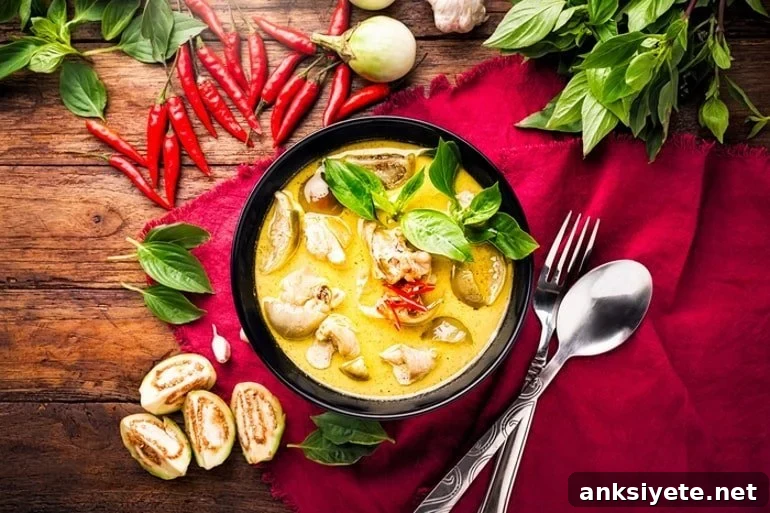
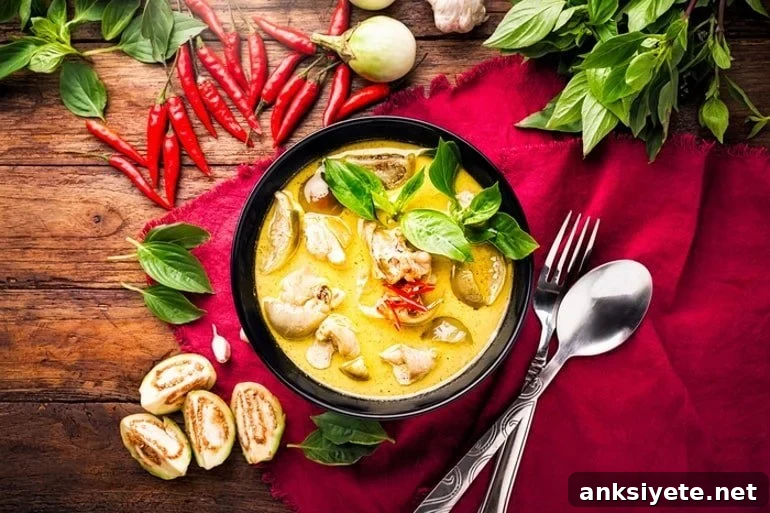
One participant recalled a Green Thai curry dinner in Cambodia. In a free recall they described basic kitchen conditions and helping to prepare vegetables while sitting on the floor. After tasting the Green Thai curry cue, the same participant expanded the memory to include the chopping sounds, sitting cross-legged with a friend, chatting while cooking, and eating together on long tables outside the school—details that brought the scene to life.
A notable outcome was the number of memories that participants reported feeling physically and emotionally transported by: “The roast beef and horseradish cue took me back 25 years in one bound… I could place myself at the table in the room… I ate that, and that actually provoked out of all the memories, quite a strong reaction actually. Just suddenly I was back.”
Participants described the simple act of eating the cue as a bodily re-enactment of the original event: “It just kind of triggers a few more sensations. Perhaps when you’re tasting it, you imagine yourself there.” The sensory re-enactment often enhanced participants’ confidence in the memories they retrieved.
The researchers highlight the potential relevance of these findings for dementia care. Several participants spoke from personal experience caring for relatives with memory impairment and noted how food-related scents and tastes can quickly summon past experiences.
One participant whose mother has Alzheimer’s explained: “As soon as she smelled and tasted the food, she would say something like, ‘Oh, this is like old fashioned food. This takes me back’. She felt that it was something that she had had a long time ago.” Another participant proposed compiling a scrapbook of food memories that could be paired with flavour cues to help relatives with dementia reconnect with important moments.
Professor Sas emphasized that the 3D-printed flavour cues elicited strong, sensorially rich and positive emotional experiences that participants enjoyed. Dr Tom Gayler added that co-creating personalised flavour cues revealed a powerful but underused link between taste, smell and memory, pointing to the potential for future multi-sensory memory aids. Dr Vaiva Kalnikaitė noted that emerging technologies now make it possible to reconstruct memories using compact flavour and scent cues, which can act as strong retrieval triggers.
About this olfactory memory research news
Author: Gillian Whitworth
Source: Lancaster University
Contact: Gillian Whitworth – Lancaster University
Image: The image is credited to Lancaster University
Original Research: Closed access. “It took me back 25 years in one bound”: self-generated flavor-based cues for self-defining memories in later life by Corina Sas et al. Human-Computer Interaction
Abstract
“It took me back 25 years in one bound”: self-generated flavor-based cues for self-defining memories in later life
“… those short, plump little cakes called petites madeleines […] I raised to my lips a spoonful of the tea in which I had soaked a morsel of the cake. No sooner had the warm liquid, and the crumbs with it, touched my palate, a shudder ran through my whole body […] an exquisite pleasure had invaded my senses […] and suddenly the memory returns. The taste was that of the little crumb of madeleine which on Sunday mornings at Combray […] when I went to say good day to her in her bedroom, my aunt Léonie used to give me, dipping it first in her own cup of real or of lime-flower tea […] when from a long-distant past nothing subsists, after the people are dead, after the things are broken and scattered, still, alone, more fragile, but with more vitality, more unsubstantial, more persistent, more faithful, the smell and taste of things remain poised a long time, like souls, ready to remind us […] the vast structure of recollection” (Proust, 2006, pp. 61–63).
The Proust quotation captures the evocative power of the chemical senses—taste and smell—to trigger memory recall accompanied by the sensation of traveling back in time, a phenomenon often called the Proust phenomenon.
Previous work has focused primarily on smell, but Proust’s own account highlights taste as a crucial component. The present study builds on that idea by testing taste-based cues created as compact, edible flavour tokens to determine how they support vivid, self-defining recollections in later life.