
New UTMB study links traumatic brain injury to tau-related dementia symptoms
Researchers at The University of Texas Medical Branch (UTMB) at Galveston have provided new evidence connecting traumatic brain injury (TBI) with the development and spread of tau protein species that can produce dementia-like symptoms. The study narrows a critical gap in understanding how TBI may raise the long-term risk for neurodegenerative disorders, including Alzheimer’s disease and chronic traumatic encephalopathy (CTE).
Earlier work from the UTMB team identified a toxic form of tau protein that rises after TBI and is suspected to contribute to CTE in professional athletes and military personnel. What remained unclear was whether these tau species are sufficient to cause cognitive decline. To address this, researchers isolated the toxic tau from animals that had experienced TBI and injected those tau assemblies into the brains of other animals to observe whether cognitive impairments developed.
When the isolated tau oligomers were injected into the hippocampus—a brain region essential for memory—the recipient mice showed measurable declines on behavioral tests that assess learning and memory. Control mice that did not receive the injections performed normally. In mice receiving the toxic tau, elevated tau levels were observed not only at the hippocampal injection site but also in the cerebellum, a pattern consistent with the idea that toxic tau can seed and spread pathology to distant brain regions.
“These findings provide direct evidence supporting our hypothesis that this form of toxic tau induces many of the symptoms of TBI and may be responsible for the increased risk for neurodegenerative disease and spread of impairments throughout the brain following TBI,” said Rakez Kayed, associate professor in UTMB’s Department of Neurology and the Mitchell Center for Neurodegenerative Diseases. He added that because this tau species appears central to the toxicity that follows TBI, it could represent a viable therapeutic target, though additional research is required to explore treatment strategies.
Traumatic brain injury can result from a sudden blow or jolt to the head or body. Approximately 1.5 million new TBI cases occur annually in the United States. While some patients recover fully, others experience persistent cognitive problems and face an elevated risk of developing dementia and other neurodegenerative conditions later in life. Currently, no treatments are approved specifically to prevent the long-term neurodegenerative consequences of TBI.
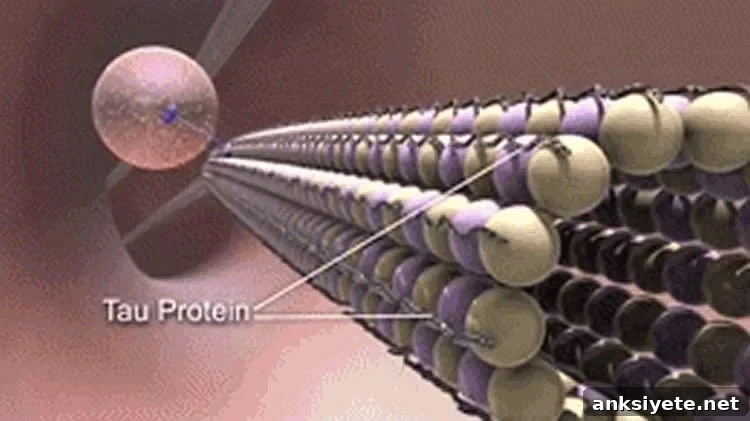
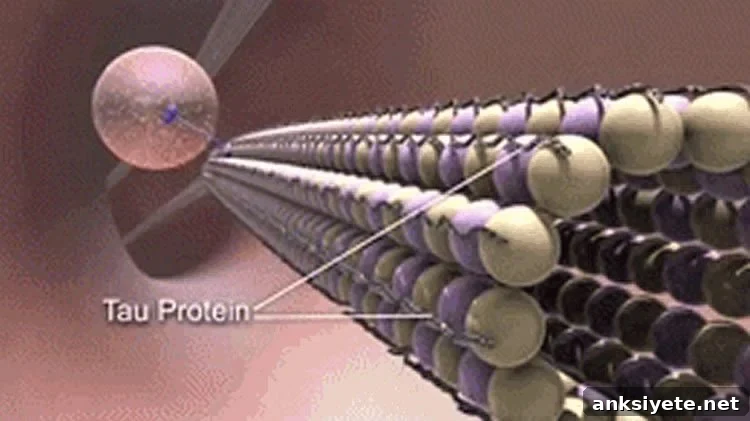
Tau is a normal neuronal protein that helps maintain microtubule highways, which deliver nutrients and remove waste from cells. Under disease conditions, tau can misfold and assemble into toxic oligomers. These oligomers impair intracellular transport, ultimately leading to neuronal dysfunction and cell death. The UTMB team detected these toxic tau oligomers in two distinct animal models of TBI, strengthening the link between brain injury and tau-mediated neurodegeneration.
Led by Rakez Kayed and Bridget Hawkins, assistant professor in the Department of Anesthesiology, the study combined biochemical, morphological, and behavioral approaches. The investigators isolated tau oligomers from brains of rats that experienced either blast-induced or fluid percussion injury. After biochemical characterization, the oligomers were injected into the hippocampi of mice engineered to express human tau (Htau mice). Cognitive testing and subsequent immunohistological analyses showed accelerated onset of cognitive decline in the injected animals and increased tau oligomer levels in the hippocampus and cerebellum.
These results support a model in which TBI triggers the formation of tau oligomers that can seed pathology and spread through the brain, potentially explaining the increased long-term incidence of CTE and Alzheimer’s disease following brain injury. The findings carry important implications for developing therapies that target toxic tau species to prevent or limit neurodegeneration after TBI.
Other contributing authors include Julia Gerson, Diana L. Castillo-Carranza, Urmi Sengupta, Riddhi Bodani, Donald Prough, and Douglas DeWitt.
Funding: The research received support from the Darrell K. Royal Research Fund for Alzheimer’s Disease, the Mitchell Center for Neurodegenerative Disease, and the Sealy Center for Vaccine Development. Parts of the work were conducted through an interdisciplinary team effort funded by The Moody Project for Translational Traumatic Brain Injury Research.
Source: Donna Ramirez – UTMB Galveston
Original Research: Abstract for “Tau oligomers derived from Traumatic Brain Injury cause cognitive impairment and accelerate onset of pathology in Htau mice” by Julia E. Gerson et al., published in Journal of Neurotrauma, January 2016, DOI: 10.1089/neu.2015.4262.
Abstract
Tau oligomers derived from Traumatic Brain Injury cause cognitive impairment and accelerate onset of pathology in Htau mice
Tau aggregation is a hallmark of many neurodegenerative diseases and has also been observed after traumatic brain injury. No effective treatments currently prevent the long-term effects of TBI, which can include immediate cognitive changes and an increased risk of later-life neurodegeneration. Growing evidence suggests that oligomeric forms of tau initiate and propagate tauopathies. In this study, researchers detected tau oligomers in two TBI models and isolated these oligomers from the brains of injured rats. After biochemical and morphological characterization, the oligomers were injected into the hippocampi of Htau mice. The injected mice developed accelerated cognitive deficits and showed increased tau oligomer accumulation at the injection sites and in the cerebellum, suggesting a seeding and spreading mechanism. These findings indicate that tau oligomers formed after TBI contribute to toxicity and may be viable targets for therapeutic intervention.