
Summary: Researchers have identified a specific group of brainstem neurons that enable newborn mouse pups to produce ultrasonic calls that attract their mother. When these neurons fail to develop, the pups are unable to vocalize. The findings suggest that similar brainstem circuits might underlie early vocal cries in humans and could be relevant to understanding some speech disorders.
Source: Max Delbrück Center
Genetic study pinpoints a hindbrain circuit essential for ultrasonic calls in mouse pups
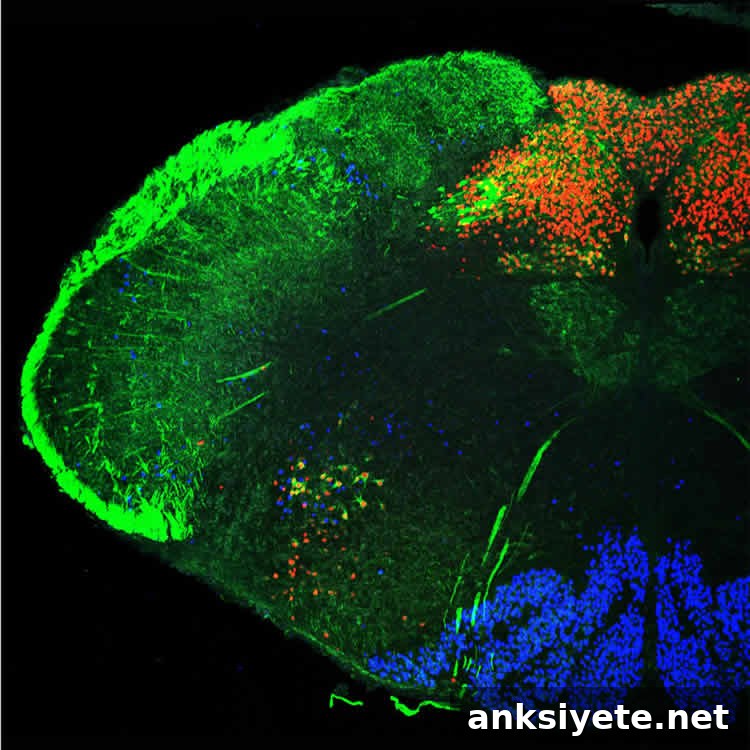
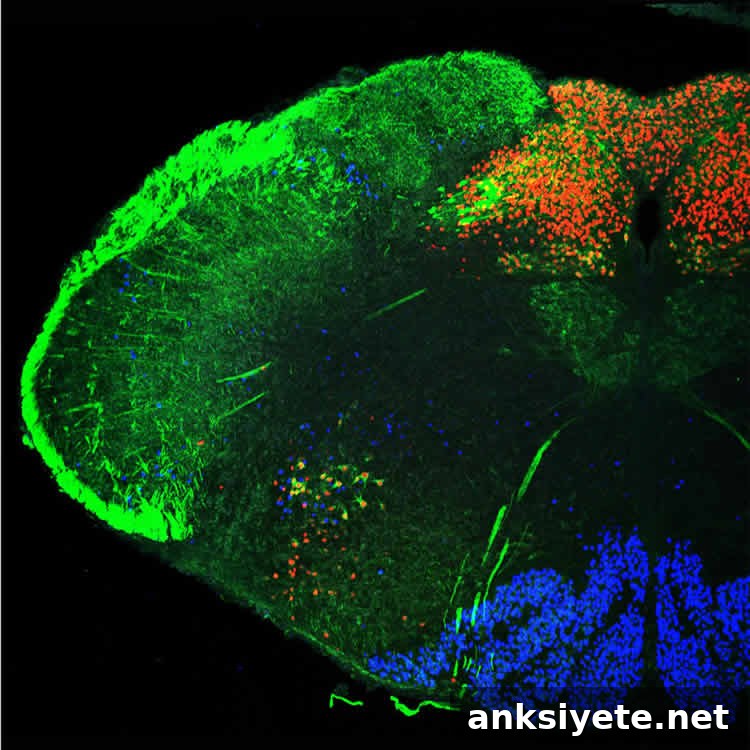
Newborn mice emit high-frequency calls that prompt maternal retrieval, and a small cluster of neurons in the brainstem is crucial for producing those calls. Researchers at the Max Delbrück Center for Molecular Medicine (MDC) in Berlin report that a nucleus in the hindbrain coordinates the breathing and laryngeal muscle activity required for these vocalizations. When those neurons fail to mature during development, the pups remain mute and do not trigger maternal care. The study appears in the journal PNAS and was carried out in collaboration with laboratories in Paris and Gif-sur-Yvette.
Within hours of birth, isolated mouse pups respond to separation by emitting rapid bursts of ultrasonic calls—each series typically contains four to six syllables around 75 kHz, frequencies beyond human hearing. Producing these calls requires a strong expiratory drive together with precise tensioning of laryngeal muscles. The researchers show that neurons in the nucleus tractus solitarii (NTS), an evolutionarily old brainstem structure, connect the sensory inputs from the vocal folds, tongue and lungs with motor circuits that control abdominal and laryngeal muscles. By coordinating those inputs and outputs, the NTS transforms breaths into calls.
Using genetic tools, the team disrupted the development of NTS neurons by mutating genes that encode the transcription factors Olig3 and Tlx3. In mice lacking properly matured excitatory NTS neurons, pups failed to produce the forceful exhalations and the laryngeal adjustments required for vocalization. These genetically altered newborns were effectively mute, and the absence of their ultrasonic cries led to a lack of maternal retrieval: mothers did not respond to the silent, isolated pups, whereas they did respond to recordings of normal ultrasonic calls.
Why maternal response depends on pup vocalizations
When a pup wanders away from the nest, its ultrasonic calls function as an urgent signal that summons the mother. Each call corresponds with a deep exhalation, produced by coordinated action of respiratory and laryngeal motor systems. The mother locates and retrieves pups in distress based on these sounds; when calls are absent, she typically ignores the isolated pup. The authors suggest these calls may serve as an evolutionarily conserved indicator of offspring fitness and condition.
Lead and senior authors note that mute pups provide a model for understanding how early vocal signals shape mother–infant interactions. Beyond basic ethology, the findings raise the possibility that similar hindbrain circuits contribute to human infant cries. The NTS coordinates breathing-related motor output in many vertebrates, and disruptions of comparable pathways in humans could contribute to some speech and vocalization disorders seen after stroke, tumor, or neurodegenerative disease. The researchers emphasize, however, that any connection to human pathologies remains to be tested directly.
Key findings and implications
- Neurons in the hindbrain nucleus tractus solitarii (NTS) are essential for newborn mice to generate ultrasonic distress calls.
- The NTS links sensory feedback from the vocal apparatus and lungs to motor pools controlling expiratory pressure and laryngeal tension.
- Genetic disruption of NTS neuron development (through mutations in Olig3 or Tlx3) abolishes the expiratory drive and laryngeal control needed for vocalization, rendering pups mute.
- Mute pups fail to elicit maternal retrieval, demonstrating the behavioral importance of these innate calls.
- The circuit provides a model for studying how breath-related motor patterns are transformed into vocal output and may inform future work on human vocalization and speech disorders.
About the research
The study, titled “Genetic identification of a hindbrain nucleus essential for innate vocalization,” identifies the NTS as an obligatory component of the neuronal circuit that converts breathing activity into innate vocal calls. The team demonstrated direct connections between NTS neurons and motor pools in the spinal cord and nucleus ambiguus, which together regulate expiratory force and laryngeal muscle tension. The work was produced by a collaborative team including Luis Rodrigo Hernandez-Miranda, Pierre-Louis Ruffault, Julien C. Bouvier, Andrew J. Murray, Marie-Pierre Morin-Surun, Niccolò Zampieri, Justyna B. Cholewa-Waclaw, Elodie Ey, Jean-Francois Brunet, Jean Champagnat, Gilles Fortin, and Carmen Birchmeier and published in PNAS.
The findings clarify how a conserved brainstem hub coordinates the biomechanics of vocalization and provide a basis for future research into how developmental or acquired disruptions of similar circuits might affect vocal communication across species.